Dominica at a glance
- Unique nature experiences are waiting for you: hikes to waterfalls and to the second largest “Boiling Lake” in the world, snorkelling in volcanically warmed sea water, bathing in hot springs and swimming through narrow gorges.
- Whether canyoning, kayaking or diving with sperm whales, Dominica is a destination for active travellers.
- The island is home to the Kalinago, the last indigenous people of the Caribbean, and you can get an authentic insight into their culture.
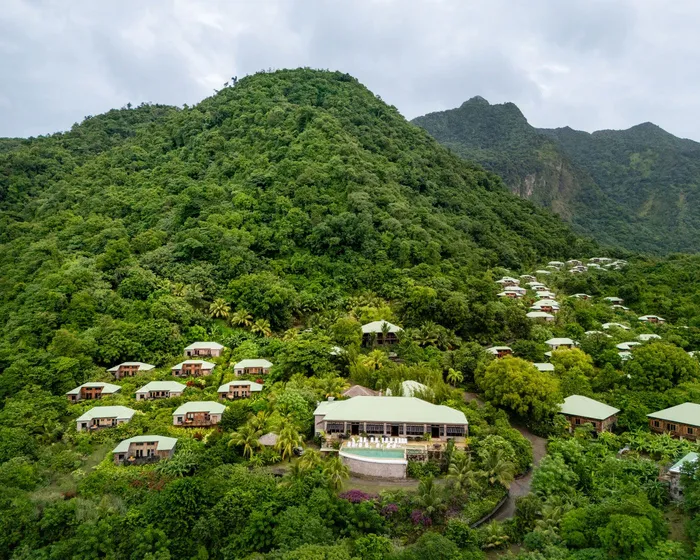
- Dominica lies between Guadeloupe and Martinique and is one of the most unspoilt and least developed islands in the Caribbean.
- Dominica focuses on sustainable tourism and protecting its nature, a clear contrast to the growing number of day visitors from cruise ships.
Boiling Lake hike: the most spectacular natural wonder on the island
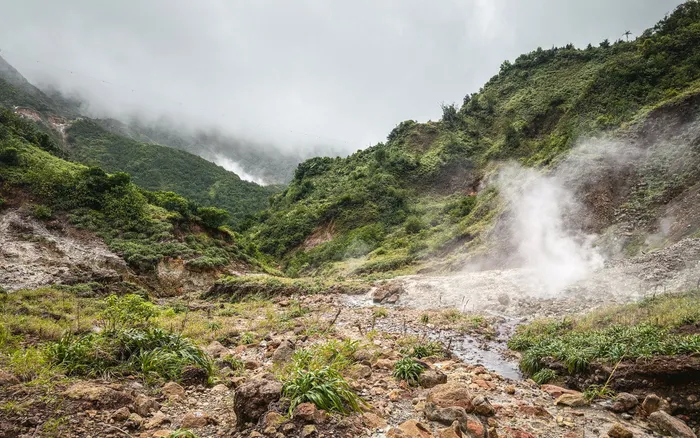
The Boiling Lake is the biggest highlight and for me one of the most intense experiences in Dominica, both physically and in terms of scenery. The Boiling Lake is the second largest boiling lake in the world, right in the middle of the UNESCO protected Morne Trois Pitons National Park.
A cable car is currently being built and is due to open in 2027. Until then this magical place can (luckily) only be reached on foot.
The hike: exhausting but unforgettable
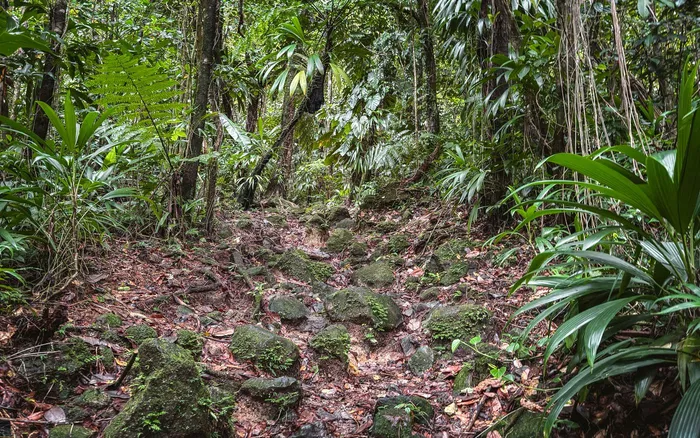
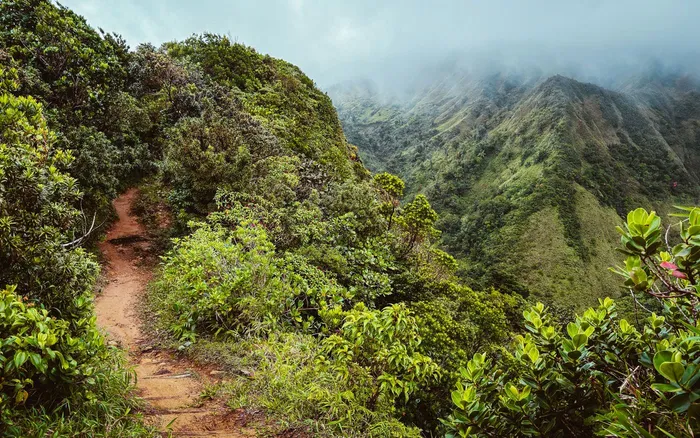
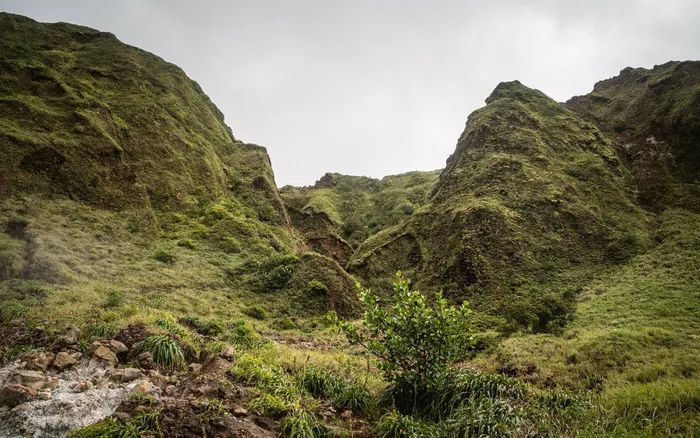
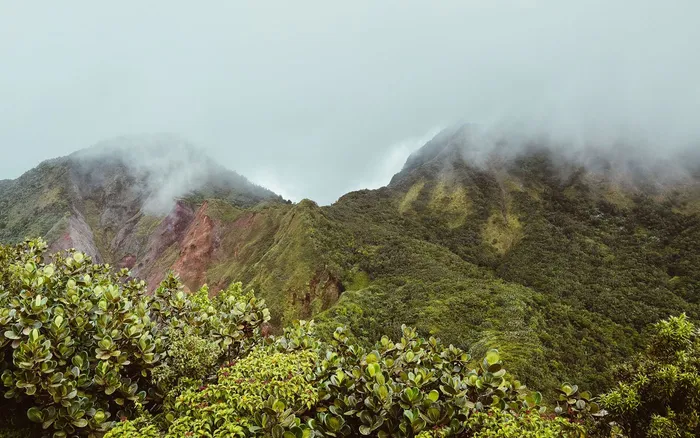
The hike is demanding. Depending on the weather you walk between 6 and 10 hours (there and back), mostly on narrow, slippery paths through rainforest and cloud forest. It goes up and down over roots and rocks and sometimes on a rope through mud. On the way down into the Valley of Desolation you climb almost vertically down a waterfall. Sounds spectacular, and it was actually the most fun part. The scenery changes all the time: dense forest, open plateaus, the surreal Valley of Desolation with steaming cracks in the rock, and finally you stand in front of this blue grey, bubbling lake with steam rising from it like from a witch’s cauldron.
What you need to know
- The trail is very technical and physically demanding, mainly because of its length and the climate (humid, slippery, hot).
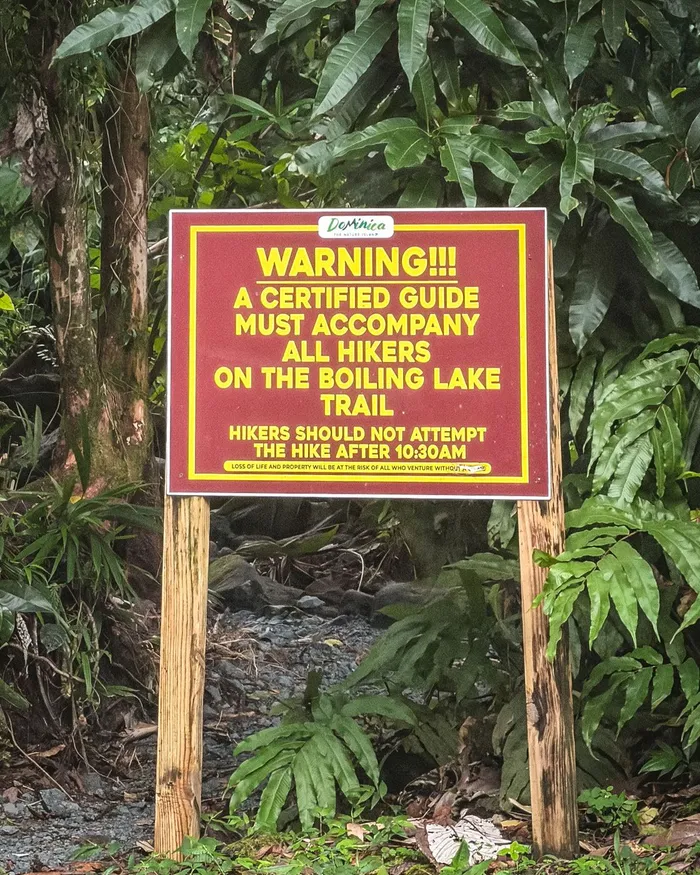
- A guide is now required, mainly for safety reasons. That way you also learn a lot about the flora, fauna and geology.
- Start early in the morning (ideally around 7 am) to avoid the rain and have enough time for breaks.
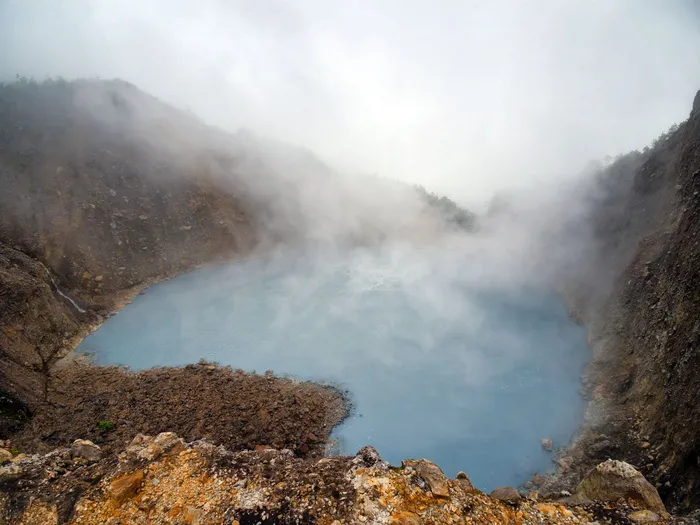 The toughest hike in the Caribbean leads to the Boiling Lake in Dominica
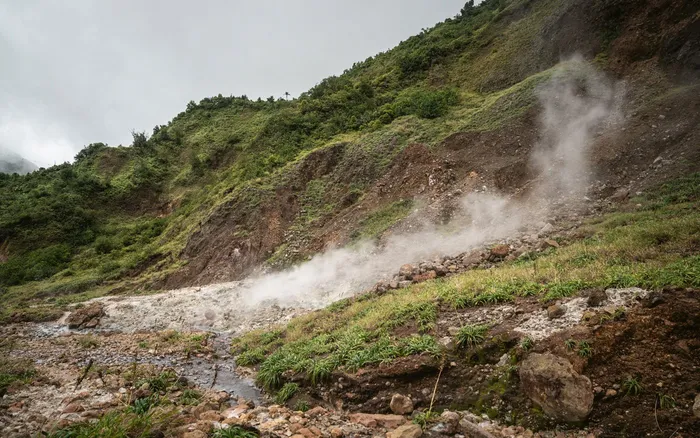
Trafalgar Falls
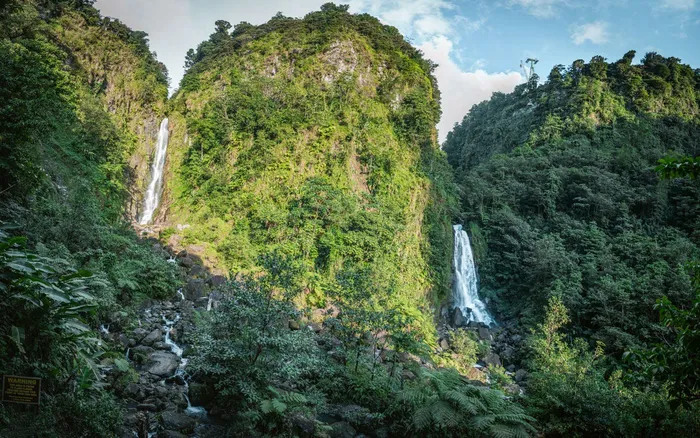
Trafalgar Falls lie in the UNESCO protected Morne Trois Pitons National Park and are among the best known, but also most rewarding places to visit in Dominica. The two waterfalls (the bigger “Father” and the smaller “Mother”) plunge down in the middle of dense green vegetation.
What makes them special: hot and cold water flow almost side by side here. On the left, where the rock is reddish, warm, iron-rich water comes to the surface from a spring. Next to it, cold rainwater runs down the slope. Both collect in a natural pool.
To get there you have to climb over slippery rocks. The path isn’t officially secured and can be quite slippery depending on the weather.
My tip: Go after 4:30 pm. By then the tour buses have left, the light is soft and you can enjoy the atmosphere in peace. From the car park you reach the official viewpoint in about 10 minutes. The scramble to the natural pool takes another 15 to 20 minutes, depending on how sure-footed you are.
Indian River boat tour
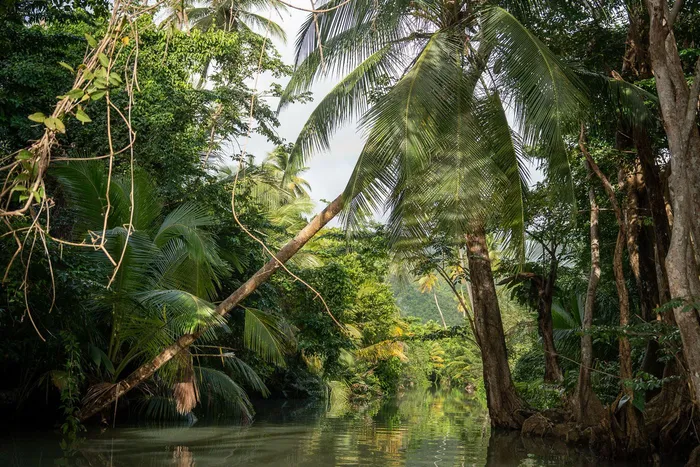
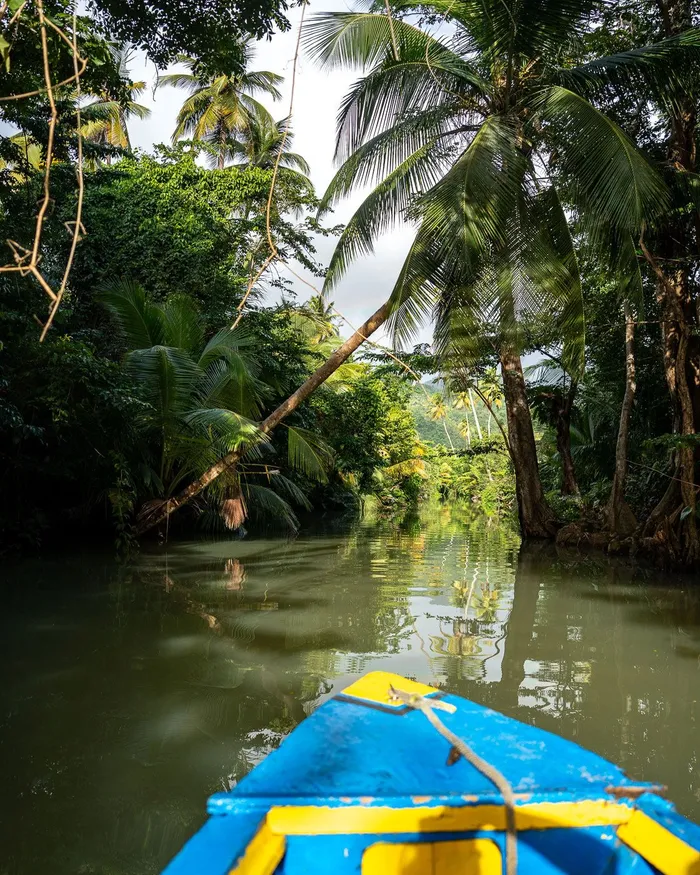
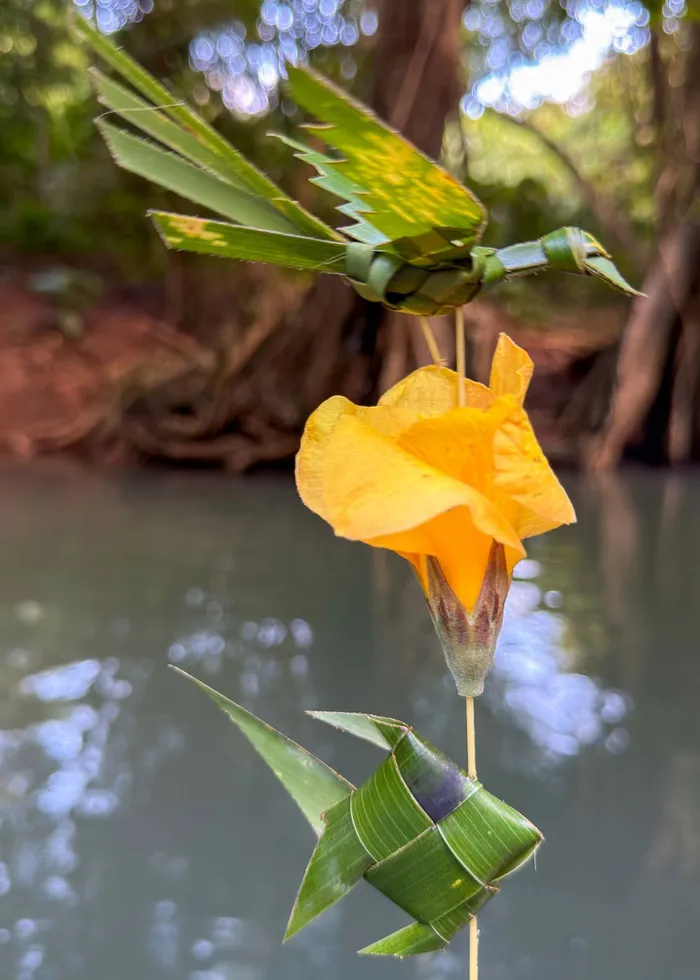
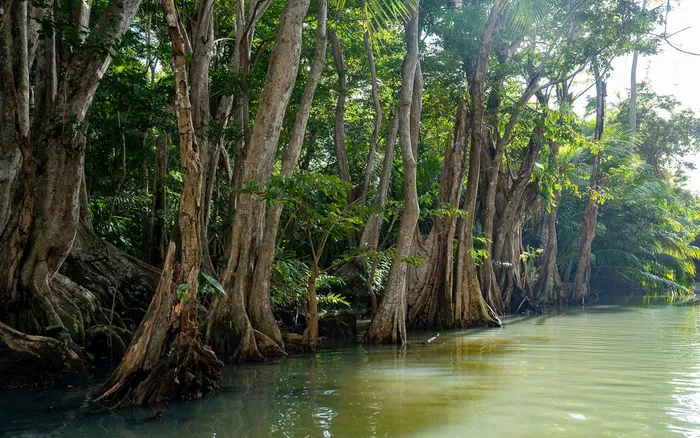
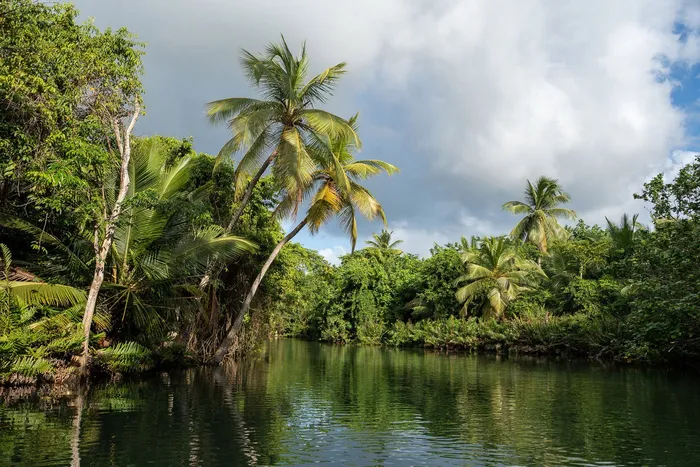
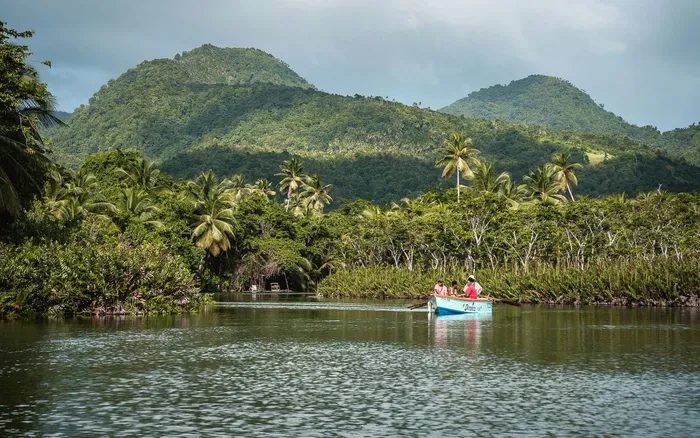
The Indian River boat tour is one of the best known activities in the north of Dominica. You may only travel on the river in a traditional rowing boat or, more recently, an electric boat (motors aren’t allowed on the Indian River). Let your guide paddle you through the dense mangrove forest.
The atmosphere is especially impressive early in the morning or late in the afternoon, when the light falls through the dense treetops and the water looks almost black.
On the way the guide tells you fascinating things about the plants, animals and the history of the area.
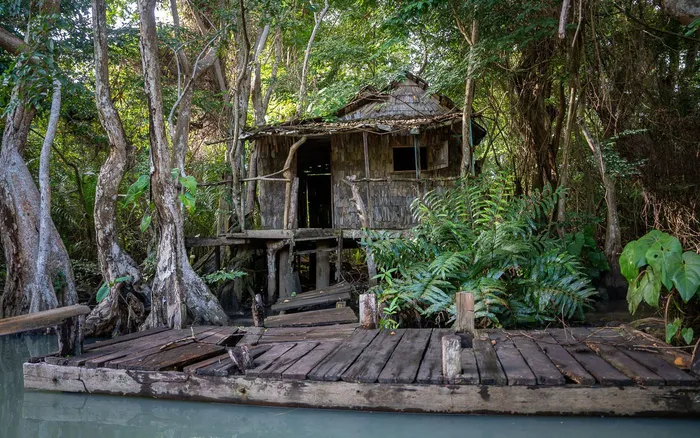
A highlight for film fans: parts of Pirates of the Caribbean: Dead Man’s Chest were filmed here. The scene where the witch Tia Dalma (Calypso) lives in her hut in the swamp was shot right on the Indian River. The hut is still standing, but you can’t go inside.
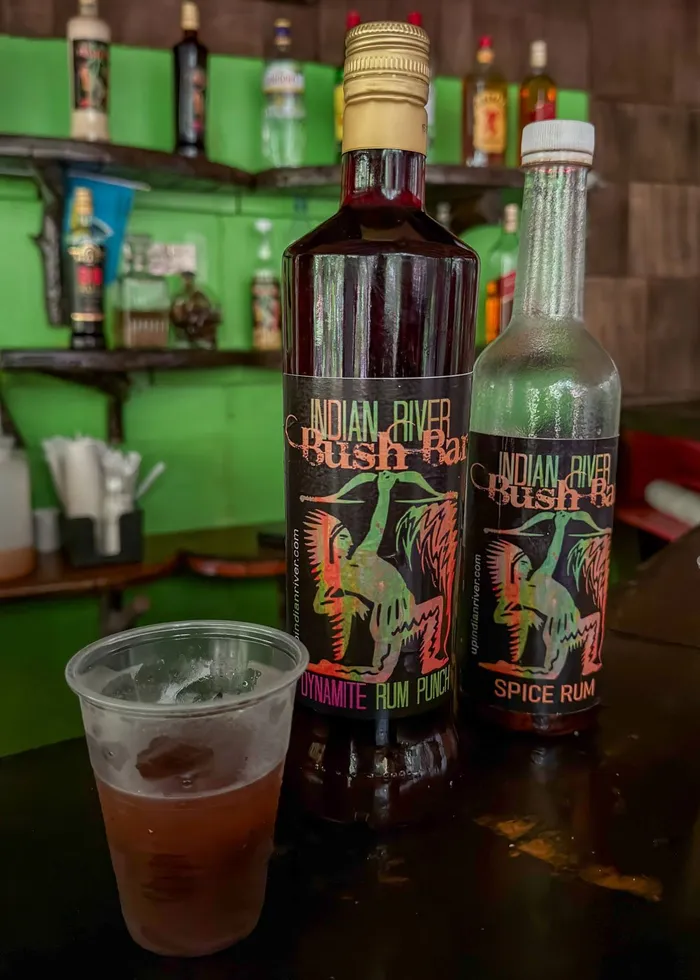
At the end the boat stops at the Indian River Bush Bar. They serve fruit juices, local rums and a drink called “Dynamite”. Whether Johnny Depp really tried this cocktail during filming isn’t proven, but the story is often told when people talk about the connection between the film and the island.
A short walk leads even deeper into the forest.
My tip: book the tour in good time. Your guide paddles, and all you have to do is sit still and enjoy. Plan 1.5 to 2 hours in total.
The tour combines perfectly with Portsmouth or with Syndicate Falls and the Syndicate Nature Trail. Unfortunately you can’t avoid cruise passengers here. Still, I had imagined it to be busier.
- Our provider: Cobra Tours
Emerald Pool
The Emerald Pool is one of the best known places to visit in Morne Trois Pitons National Park and one of the most visited attractions in Dominica. Mainly because it is easy to reach and often included as a stop on cruise excursions.
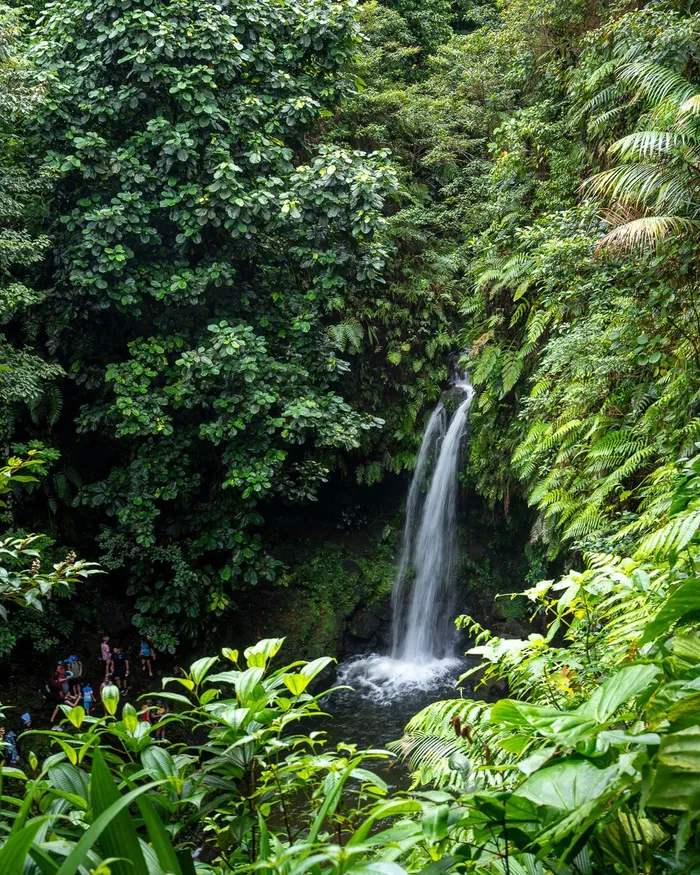
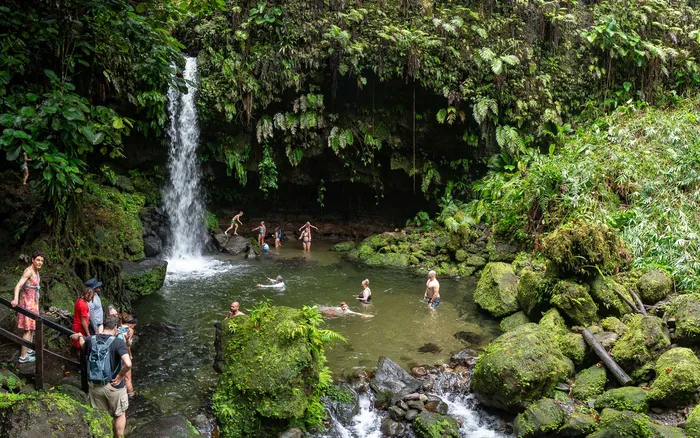
A well built loop trail (about 15 to 20 minutes) leads you through the rainforest to a small waterfall that falls into an emerald green natural pool. Surrounded by ferns and tropical plants, the place looks almost kitschy in photos, and to be honest it is. You can swim here, and the water is cool and refreshing.
But: the Emerald Pool is rarely empty. I recommend coming early in the morning or late in the afternoon, ideally outside cruise ship times. Then you have a chance to enjoy the place in peace. We were here as early as 8 am and the pool was full.
My verdict: beautiful, but not a hidden gem. Still worth it, especially if you time your visit well. During our trip there was at least one cruise ship in port every day, so we had no chance of avoiding the crowds.
Batibou Beach
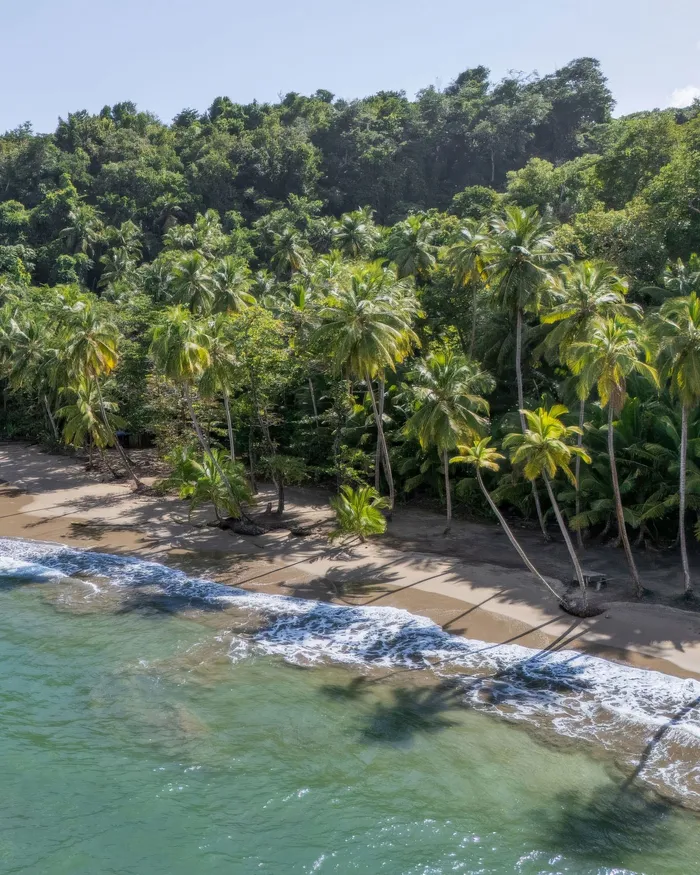
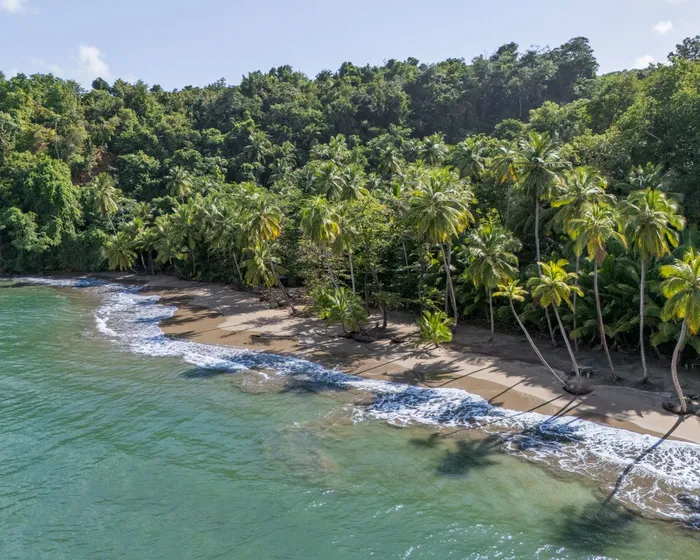
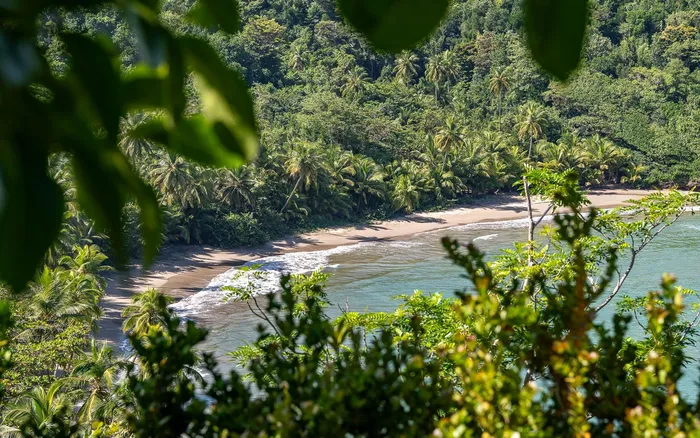
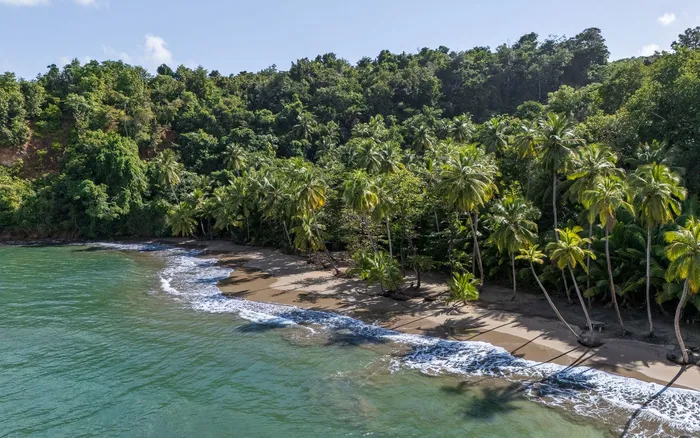
If I could recommend only one beach in Dominica, it would be Batibou Beach. For me it was the most beautiful beach on the island: wild, remote and with a backdrop that seems almost too perfect to be real. Palm trees, dark sand, dense green vegetation behind you and a wide view of the open sea.
Batibou Beach is in the north east of the island and can only be reached on a bumpy track by rental car (ideally a 4x4). That’s exactly what makes it so special: no infrastructure, no crowds, just pure nature. When we arrived, there wasn’t a soul around. Only wind, waves and crab tracks in the sand.
You can swim, walk or simply lie under the palms for hours. There’s plenty of shade. There is a small ticket booth with an entrance fee (about 5 to 10 EC dollars per person), and sometimes locals are there selling drinks or coconuts, but not always.
My tip: bring enough water, snacks and above all time. Batibou Beach isn’t a place for a quick stop, it’s a place where you want to stay longer.
 Things to do in Dominica: Batibou Beach, the most beautiful beach on the island
Red Rocks
The Red Rocks on the Atlantic coast near Calibishie surprised me. After all the green, the jungle and the dark volcanic stone, the red and orange rock landscape is a real contrast. The wind whistles across the coast, and the ground is cracked, polished smooth and shaped almost surreally, like a moonlike scene with a view of the sea.
The colour comes from the iron-rich rock. Erosion has formed soft edges and terraces that you can walk on freely. There are no barriers or railings, everything is left natural. That’s exactly what makes the place so special, but it also gets a bit slippery when wet.
A visit is especially worthwhile in the morning or late afternoon, when the light falls warmly on the rocks. If you take photos or fly a drone, you’ll find great shots here.
My tip: combine Red Rocks with a visit to the Kalinago or a swim at nearby Batibou Beach.
Freshwater Lake
Freshwater Lake lies at about 760 metres (2,500 feet) in Morne Trois Pitons National Park and is the largest lake in Dominica. Surrounded by cloud forest and deep green, it often looks mystical, especially when clouds hang low over the water and the wind sweeps across the surface.
A short trail leads around the lake on the slopes above it and offers several great viewpoints along the way. The walk is easy, but depending on the weather it can be wet and slippery, so sturdy shoes are worth it here too. In good weather you can also go kayaking or simply have a picnic with a view.
For us it was just muddy and slippery. Several times I sank into the mud with my shoes completely. But never mind, you have to expect that here, and the views were simply stunning.
My tip: Freshwater Lake without the hike is ideal if you want to jump into the water for a quick swim. There’s a hut that sells food. Combine your visit with nearby Boeri Lake or with the way to Middleham Falls. All three are in the same area around Laudat.
Scotts Head
Scotts Head is the southernmost point of Dominica and one of the few places where you can look at the Atlantic and the Caribbean Sea at the same time. A narrow strip of land, the so-called Scotts Head Peninsula, separates the two seas here. From above you can clearly see how the calm, turquoise water of the Caribbean meets the deeper blue and often rougher Atlantic.
At the end of the headland are the ruins of an old fort built by the British in the 18th century. Not much of it is left, but the view from the hill over the bay and the mountains in the background is spectacular. The short walk up only takes a few minutes. We drove up by car.
Down in the village of Scotts Head you can swim or snorkel. The water on the Caribbean side is calm and clear. The small bay is popular with locals too.
My tip: come early in the morning or at sunset. The light is most beautiful at these times, and the peninsula feels almost unreally quiet. We were here at sunset, and I got talking to lots of locals who had also made their way up for a sundowner.
Champagne Reef
Champagne Reef is Dominica’s best known snorkelling spot, and not just because of colourful fish. Right off the coast, volcanic gases rise from the seabed and bubble upwards like bubbles in a glass of champagne. In places the water is noticeably warmer, and snorkelling among these fizzing bubbles is a very special experience.
The underwater world is varied: corals, rocks, small caves and schools of fish. Sometimes you see squid or turtles. Visibility was good during my visit, but it varies with the weather.
You can walk straight into the water from the shore, and getting in is easy. There is a small dive and snorkel station where you can rent equipment or book tours.
My tip: bring water shoes, as the entry is rocky and slippery. Early in the day the water is usually calmer and clearer. It also combines perfectly with a visit to Soufrière or the hot springs of Wotten Waven.
Note: Go on a snorkelling or diving trip with Nature Island Dive. They don’t just offer these trips, they also do a lot for conservation: fighting lionfish, surveying and monitoring the reef and installing moorings to protect the corals. They also have a coral biodatabase that you can visit on site. I was able to visit a similar project at the Great Barrier Reef. Very important, super interesting and well worth supporting.
Waitukubuli National Trail
At 183 kilometres, the Waitukubuli National Trail is the longest long-distance hiking trail in the Caribbean and crosses Dominica from south to north. It is divided into 14 stages and leads through rainforest, mountain regions, coastal sections and remote villages, often on old paths of the Kalinago and the Maroons.
Most travellers don’t hike the whole trail but choose individual stages. Some are demanding and require you to be sure-footed, others are good for half-day trips. Stages through Morne Trois Pitons National Park are especially worth it, for example around Laudat or combined with Middleham Falls.
The trail is officially signposted, but not always maintained throughout. Local guides are a good idea, especially on remote or less busy sections.
My tip: if you just want a taste of it, choose a shorter stage in the north (for example near Syndicate) or combine it with a visit to the Kalinago. That way you get landscape and culture at the same time without having to walk for days.
Ti Kwen Glo Cho: hot natural pools in Wotten Waven
After a tough hike there’s hardly anything better than a soak in the hot springs of Wotten Waven, especially at the small, lovingly built natural spa Ti Kwen Glo Cho. Here you’ll find several open pools with sulphurous thermal water that comes straight from the volcanic ground.
The place is simple but well kept. There are showers, changing rooms, hammocks and seating, all in the middle of the greenery. The pools have different temperatures, and some of them are literally steaming. If you like, you can rub yourself with natural sulphur mud, which is said to be good for your skin.
My tip: the best time to come is after the Boiling Lake hike or after a visit to Trafalgar Falls. Both are only a few kilometres away. It’s pleasantly quiet especially in the late afternoon. Entry costs about 10 EC dollars (bring cash). For us it was too late after the Boiling Lake. I had already jumped into the hot springs at the Boiling Lake, cooled off (and got rid of the mud) in Titou Gorge after the hike, and then it was sadly too late.
Kalinago Barana Autê
Dominica is the only Caribbean island where an indigenous people, the Kalinago, still live today. In the north east of the island lies the Kalinago Territory, a separate administrative area where around 3,000 Kalinago live. Kalinago Barana Autê is a small visitor village that aims to give insight into their traditional way of life, architecture and culture.
On the site there are simple replicas of huts, a souvenir shop and a short loop trail. The idea behind it is good: an authentic encounter with the last indigenous culture of the Caribbean. In practice, though, it was rather touristy during our visit.
Because we weren’t part of a larger (cruise) group, there was no performance or guided tour. Only the souvenir shop was open, otherwise the site was empty. We did get some extra explanations, but we missed a real connection to the history and meaning of the place.
My tip: if you are genuinely interested in Kalinago culture, find out beforehand whether there are guided tours or programmes, or plan your visit for when groups are announced. Otherwise you’ll see the site quickly. As it was, I sadly can’t recommend it.
Useful links: our recommendations, this is where we book
If you book your trips or gear through my links, I receive a small commission. That way you help me finance this travel blog (technology and hosting). Thank you for your support and for being part of my community. Thank you so much for your support!
Disclosure: A big thank you to Discover Dominica for inviting me on this research trip. My editorial freedom and opinion remain my own.