
Tips for planning a trip (general)
The basics that need to be right for every trip.
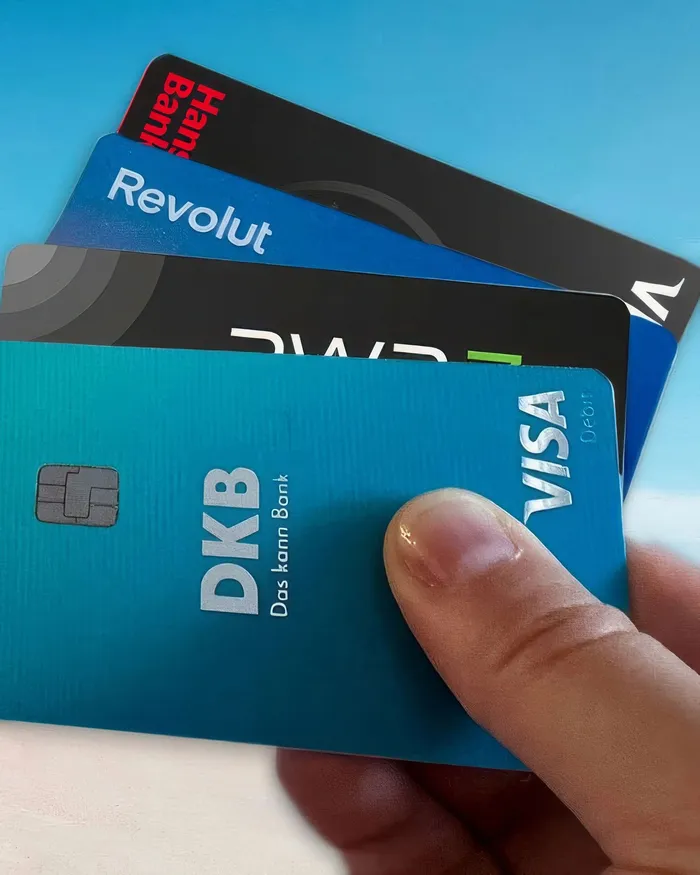
Die besten Reisekreditkarten – Vergleich mit Tipps
In diesem Artikel zeige ich dir, worauf du bei einer guten Reisekreditkarte achten musst. Der Markt an Kreditkarten wächst stetig. Immer mehr Anbieter werben mit Reisekreditkarten, die dir kostenlose Abhebungen, Versicherungen oder Cash-Back versichern. Ich habe auf meinen Reisen mehrere Kreditkarten dabei und teste sie regelmäßig im Ausland. Hier kommt mein Ergebnis. Ehrlich, praxisorientiert mit allen Vor- und Nachteilen.

Reiseversicherungen, die du wirklich haben solltest

Flugtickets und Flüge günstig buchen: 10 Tipps, wie du Günstige Flüge findest (Tipps, die funktionieren)

Meine Erfahrung bei Flugverspätung: Diese Entschädigung steht dir zu!

Beste Reise-Apps: Meine Empfehlungen für Planung, Navigation & Urlaub

Sprachen lernen für Reisen – Meine Erfahrung
Planning a road trip
Route, rental car, driving license and offline navigation, everything for your road trip.
Roadtrip planen: Tipps, Route, Apps & kostenlose Vorlage
Einen Roadtrip planst du am besten Schritt für Schritt: Reiseziel wählen, Route grob festlegen, Etappen realistisch planen, Unterkünfte recherchieren, Budget kalkulieren und wichtige Stopps in einer Vorlage sammeln. Hier findest du meine Tipps, Apps und eine kostenlose Excel-Vorlage.
Meine Erfahrung zum Mietwagen buchen – alle Tipps & Tricks

Mietwagen ohne Kreditkarte buchen? Bei diesen Anbietern kein Problem

Das solltest du über den Internationalen Führerschein für Reisen wissen

Google Maps Reise planen: Route erstellen oder Städtetrip planen

Google Maps Offline für Reisen herunterladen (Schritt-für-Schritt-Anleitung): So gelingt die Navigation ohne Internet
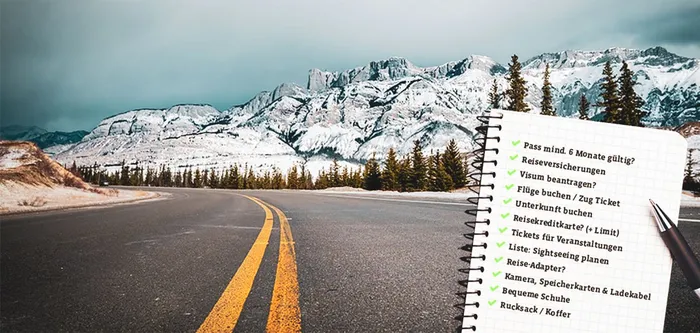
Packliste Roadtrip & Autoreise: Meine perfekte Checkliste (mit PDF) zum ausdrucken und abhaken
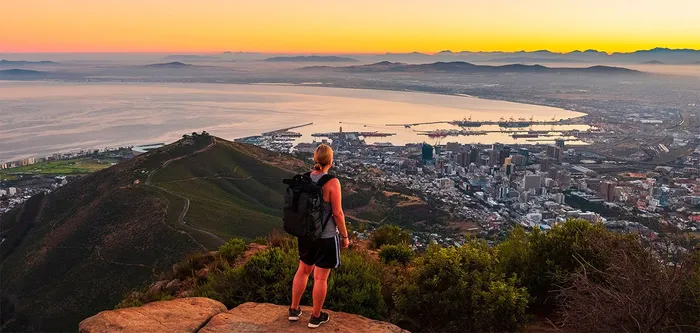
Best time to travel: where to go each month
Destinations for every month from my own experience.
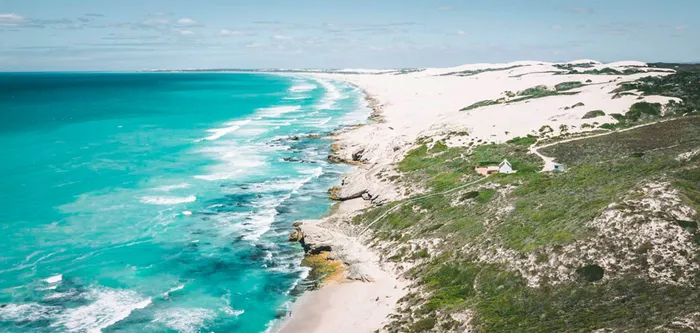
Before you go: tips & inspiration for your trip preparation
No destination yet? My favorite road trips, cities and reading tips to dream about.
Roadtrips: Die schönsten Rundreisen der Welt zum nachreisen
Inspiration und Reiseberichte für Roadtrips: die schönsten Rundreisen der Welt zum Nachreisen Hast du Lust auf eine Rundreise? Hier findest du Inspiration und Reiseberichte für die schönsten Strecken weltweit. Dazu verraten wir unsere besten Tipps für deinen nächsten Roadtrip! Dabei spielt es keine Rolle, ob mit Auto oder Kastenwagen (Wohnmobil). Dazu findest du nützliche Tipps zur Planung und Vorbereitung, Checklisten zum Ausdrucken und Erfahrungsberichte. Natürlich kannst du die Routen auch mit deinem Motorrad abfahren. Wir besitzen weder Motorrad noch den entsprechenden Führerschein dazu.

Schönste Städte Europas: 20 Reiseziele, Geheimtipps & Highlights
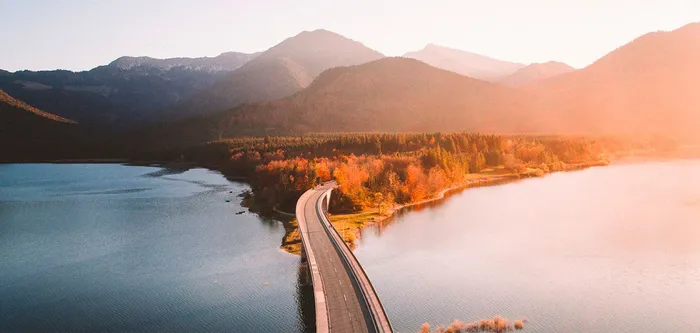
The Most Beautiful Motorhome Routes in Germany to Follow
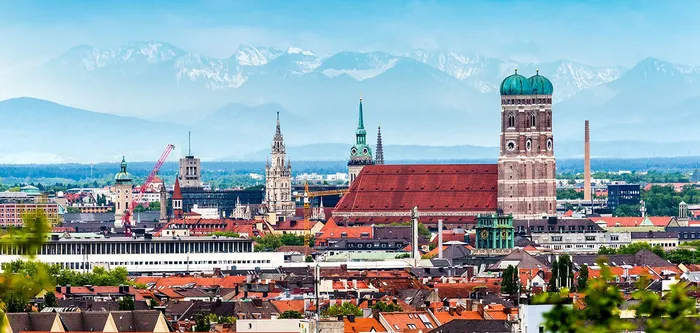
Schönste Städte Deutschlands: Meine Top-15

52 Reiseberichte Bücher, Bestseller und Reiseromane

Die 10 besten Städte für Street-Art in Großbritannien

Die besten Reiseblogs für deine Reisevorbereitung
Tips for planning a city trip
Is a city pass worth it? My comparisons, tested myself, and the packing list for a short break.
Städtetrip planen: Meine Tipps zur Planung deiner perfekten Städtereise
Ich plane Städtetrips immer mit Fokus auf Reisezeit, Lage der Unterkunft, Anreise, Tickets und Wege vor Ort. In diesem Artikel zeige ich dir meine besten Tipps, damit du deine Städtereise einfacher buchst und vor Ort entspannter unterwegs bist.
Citypässe: Die besten City-Pass-Vergleiche bei Viel unterwegs – echt getestet
Rom Pass Vergleich 2026 – Welcher lohnt sich wirklich?

New York Pass Vergleich: Der beste City Pass für deine Reise
London Pass Vergleich: Der beste City Pass für deine Reise
Barcelona City Pass Vergleich mit Erfahrungen zu alternativen Sightseeing Pässen
„I amsterdam“ Amsterdam City Card Erfahrung & Test: Lohnt sich der Kauf? (+ Alternativen)
Packliste Städtetrip: Deine Checkliste für die nächste Städtereise
Planning hikes & treks
Preparation, packing lists and experiences from multi-day treks.
Tipps zur Vorbereitung der Kilimandscharo Besteigung
Der höchste Punkt des Kibo im Kilimandscharo-Massiv in Tansania ist ein anziehendes Ziel für jeden Wanderer. Dieser majestätische Berg ragt 5.895 Meter in die Höhe und bietet einen atemberaubenden Blick vom Gipfel. Mit sorgfältiger Vorbereitung und Training kannst du deinen Traum, den berühmten Kilimandscharo zu bezwingen, verwirklichen. Hier sind einige Tipps, die dir helfen, dich auf das Abenteuer vorzubereiten.
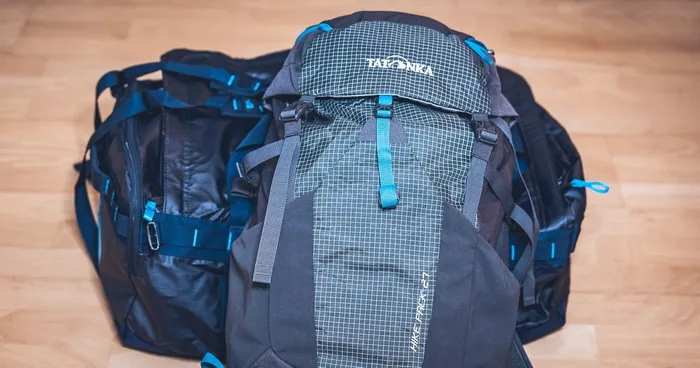
Kilimandscharo Packliste: Diese Ausrüstung hatten wir dabei
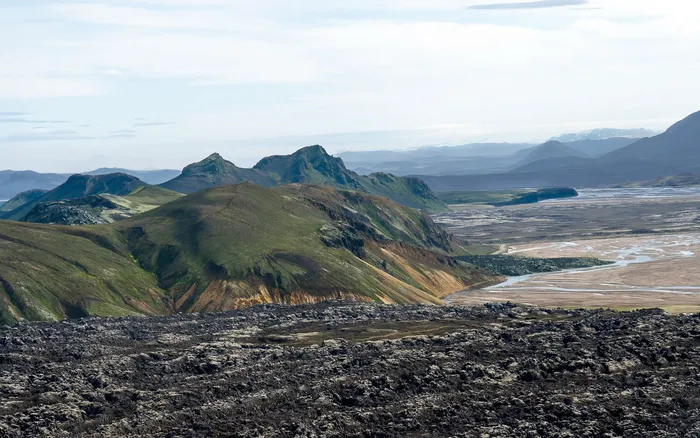
Laugavegur Packliste mit Zelt für den isländischen Wanderweg im Hochland
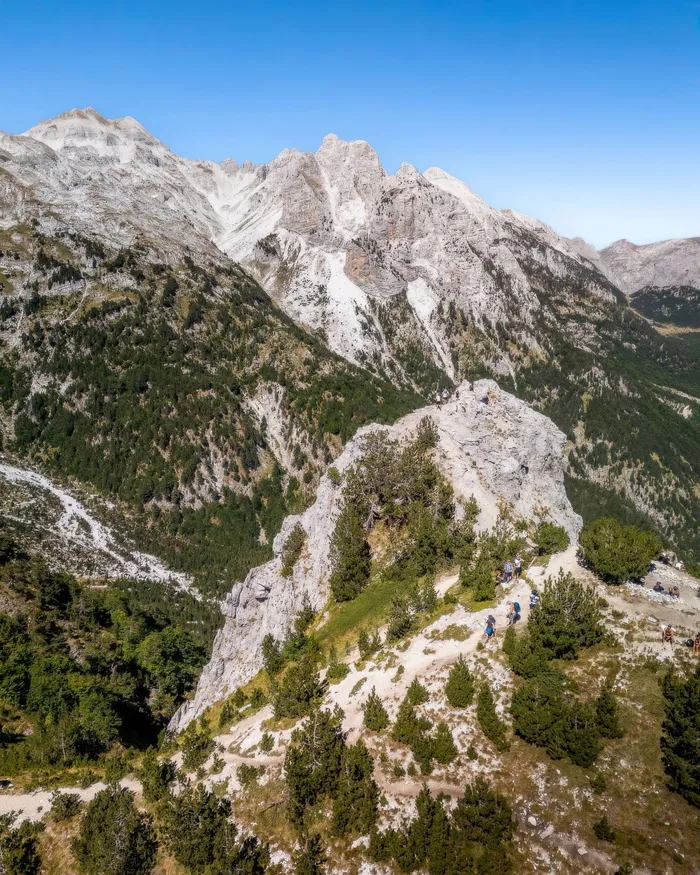
Peaks of the Balkans: Route, Highlights & Tipps mit Erfahrungen
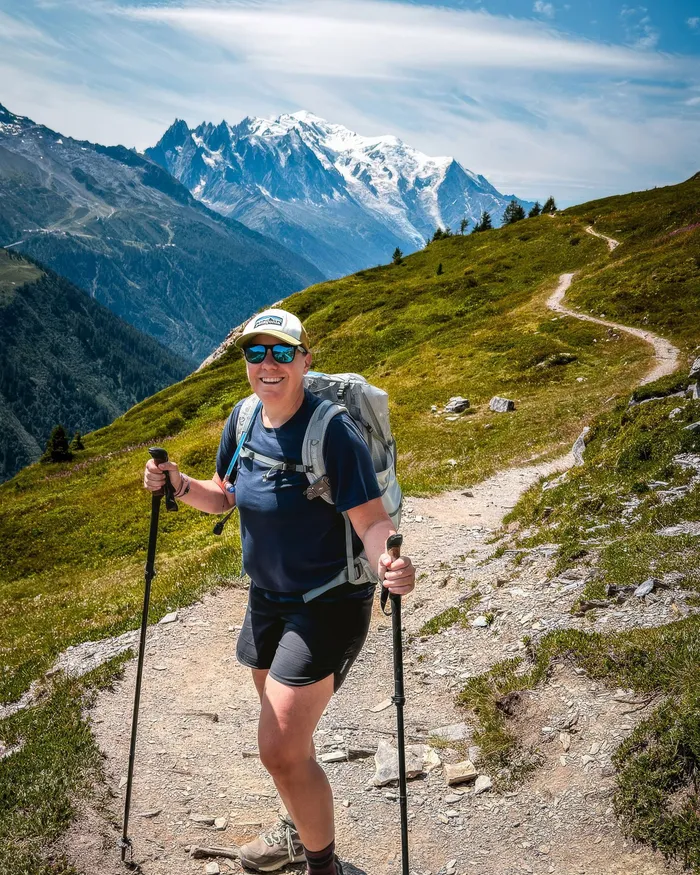
Tour du Mont Blanc in 5 Tagen: Highlights und die schönsten Etappen

Wandern mit Baby – Mit meinen Tipps bist du sicher unterwegs
Planning a trip by camper or RV
Tips for getting started, a packing list and renting a camper overseas.
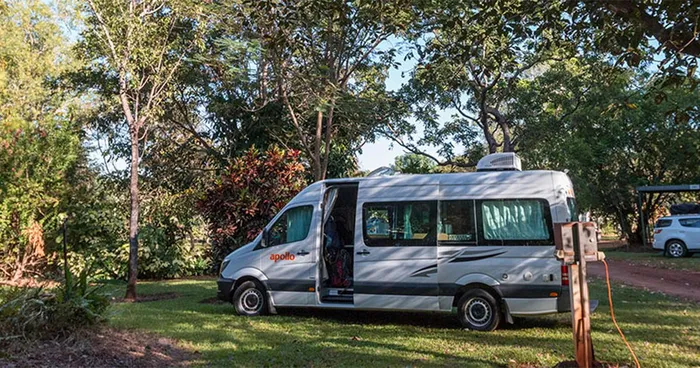
Wohnmobil Tipps für Anfänger: 25 Tipps für den Start
Nach über 20 Jahren Camping-Erfahrung, in Europa genauso wie auf anderen Kontinenten, weiß ich, worauf es ankommt und welche Fehler du dir sparen kannst. Dieser Artikel hilft dir, deinen ersten Wohnmobil-Urlaub stressfrei zu planen und gut vorbereitet loszufahren – mit meinen besten Tipps und typischen Anfängerfehlern rund um Fahrzeugwahl, Packliste und Stellplatz.
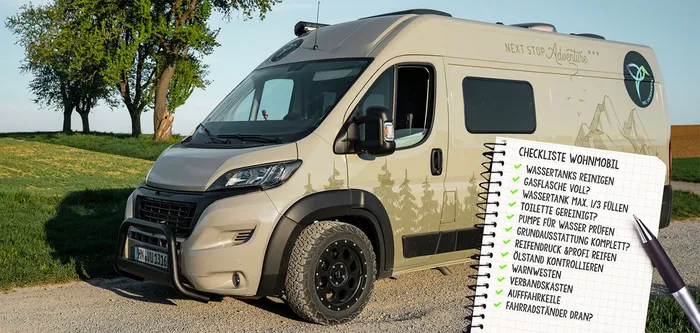
Wohnmobil Packliste als PDF zum Ausdrucken
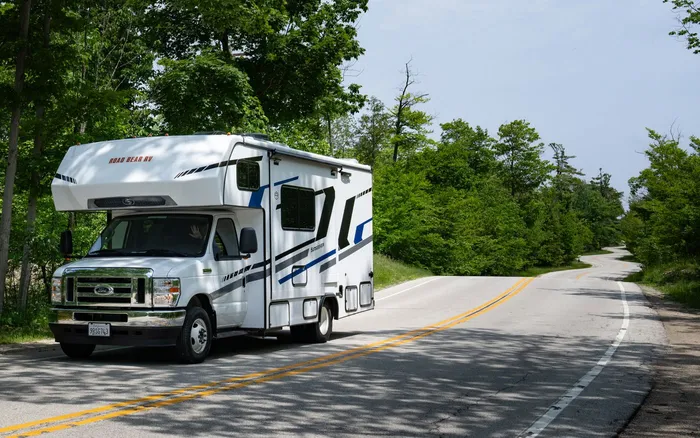
Camper mieten in den USA: Meine Erfahrungen, Tipps & Kosten für deinen Roadtrip
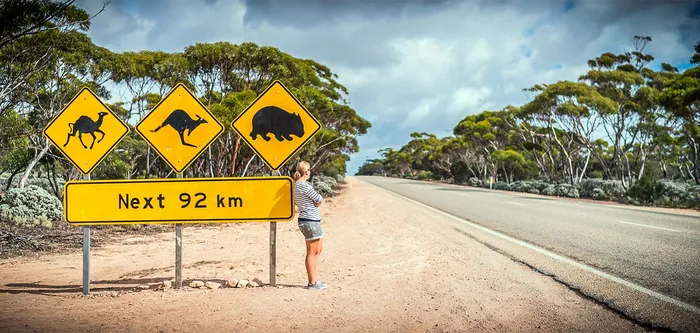
Camper mieten in Australien – meine Erfahrungen & Tipps
Packing and gear
Checklists to tick off and gear that has proven itself on the road.
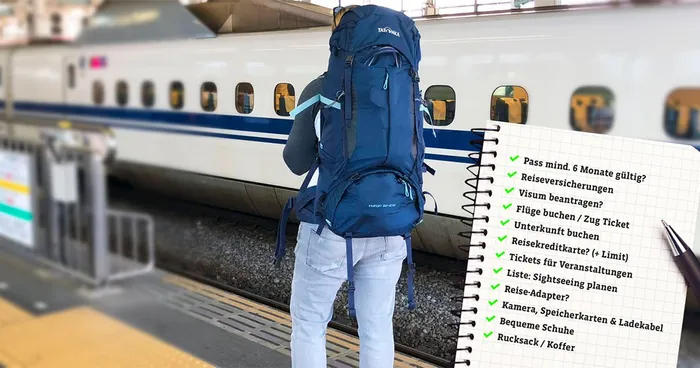
Packliste Urlaub: Checkliste für 1 Woche, 10 Tage & 3 Wochen
Hier findest du meine Packliste für den Urlaub – übersichtlich für 1 Woche, 10 Tage oder 3 Wochen Reisezeit. Ich zeige dir, wie viel Kleidung du für den Urlaub brauchst, welche Reiseutensilien sinnvoll sind und was du je nach Jahreszeit besser nicht vergisst.

Koffer platzsparend packen: Meine besten Tipps für mehr Platz im Gepäck

Reiseapotheke Checkliste – Alles was du auf Reisen brauchst!
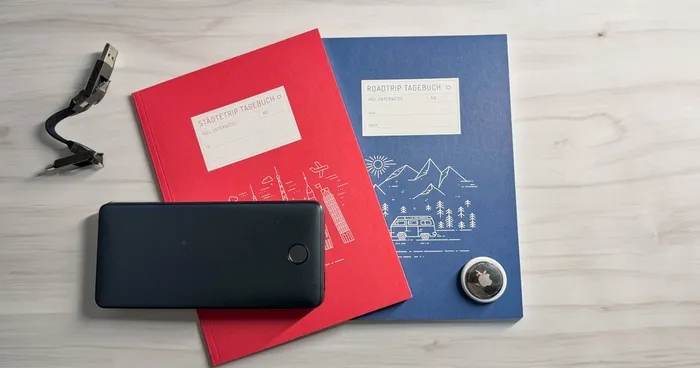
Nützliche Reise Gadgets: 16 praktische Reiseutensilien für Frauen, Männer, Flugzeug
Packliste Roadtrip & Autoreise: Meine perfekte Checkliste (mit PDF) zum ausdrucken und abhaken
Packliste Städtetrip: Deine Checkliste für die nächste Städtereise
Wohnmobil Packliste als PDF zum Ausdrucken
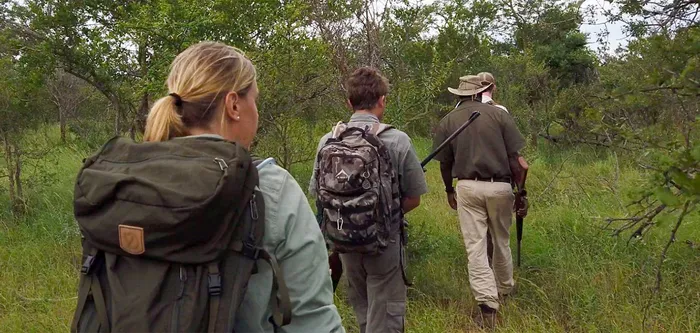
Safari Packliste: Ausrüstung, Rucksack & Must-Haves für Afrika
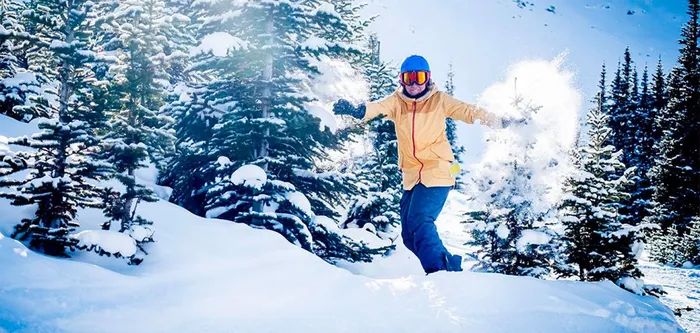
Skiurlaub Packliste zum Ausdrucken

Checkliste für Urlaub mit Baby: Meine unverzichtbaren Dinge für Reisen mit Baby

Fotoausrüstung für Reisen: Kamera(s), Objektive & weiteres Fotoequipment

Fotorucksack für Reisen: Meine Empfehlung(en)
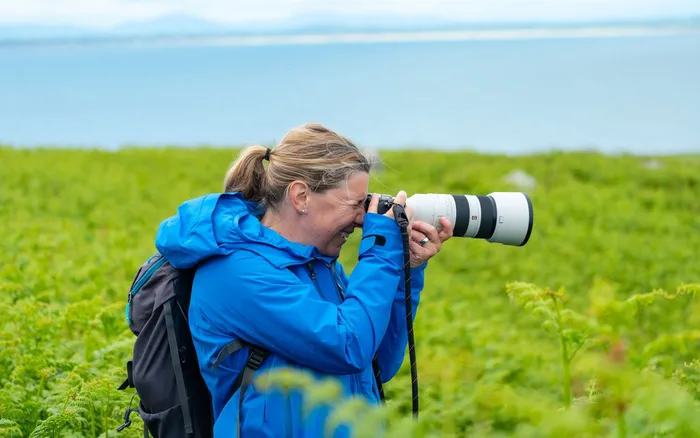
Die beste Reisekamera: So findest du die richtige Kamera für dich
Gifts for globetrotters
Ideas for everyone who loves to travel, from travel vouchers to gifts for camper fans.

Geschenke für Reisende: 50+ nützliche & originelle Ideen
Geschenke für Reisende sollten praktisch, leicht und wirklich nützlich sein – nicht noch mehr Dinge, die unbenutzt im Schrank landen. In diesem Artikel findest du meine besten Geschenkideen für Menschen, die gerne reisen: von kleinen Gadgets über sinnvolle Reisehelfer bis zu persönlichen Ideen für Vielreisende. Ich zeige dir originelle Reisegeschenke, die ich selbst nutze, verschenkt habe oder auf Reisen wirklich praktisch finde. Dazu bekommst du Tipps für unterschiedliche Budgets – egal, ob du ein kleines Mitbringsel, ein Geschenk für Backpacker oder eine Idee für jemanden suchst, der schon fast alles hat.

Reisegutschein basteln: Kreative Ideen, um Geldgeschenke zu verschenken

Geschenkideen für Fotografen (und Reisen)
Coole Geschenke für Camper: Inspiration & Ideen für Geburtstag & Weihnachtsgeschenke
More travel planning tips
Is it a lack of money or time that keeps you from taking your dream trip? Or do you simply feel overwhelmed by all the information that comes at you when you start planning a trip?
Not sure where to find deals for flights, accommodation and rental cars? Many people despair of travel planning and email me about it.
I love planning trips and searching for hotel tips, the best flights and special places. Some things are better left unplanned. But it always depends on where you are going.
The route of a road trip is often decided on the spot, sometimes you need a concrete plan. That depends on the time of year and on the country you want to travel to.
That’s why I have put together an overview of the travel planning tips I have collected over the years. I have also learned many lessons (and am still learning) and share them here so you can avoid the same mistakes. You will find all my tips, tricks and travel hacks here.
Step-by-step travel planning
Planning your next trip can take a lot of time: from finding your next destination to the right travel partner and the best time to go. And the planning doesn’t stop once you have booked.
You also want to find nice places to stay, often need to apply for a visa and should have good travel insurance.
With this article, I help you plan your next trip step by step. Travel planning made easy with this guide!
Before a trip you ask yourself 1000 questions …
Where do I want to go?
How do I want to travel?
How long do I want to travel?
When is the best time to travel?
Is my budget enough?
Here you will find the answers to your questions.
Plan your trip or just set off?
Opinions differ on travel planning. Planning isn’t everything, it’s all about the right dose. How do I do it? It depends. Why? The type and purpose of the trip matter.
Is it a short city trip? Then I plan, mainly for weekends in popular months.
Am I traveling with others? Then before the trip I check who wants to see what and what my travel companions prefer.
Do I have unlimited time and travel alone? Then I let myself drift. For most people that is probably not the case, because they have a full-time job. Time off is limited.
Everyone dreams of the perfect trip
Reality often looks different: there is no such thing as the perfect trip. No matter what you plan or how intensively. Things always happen (good or bad) that you cannot control.
I decide on my destination before the trip, and also who I travel with:
Should it be a city trip with your best friends or a longer trip with your partner?
For short trips it makes sense to book your journey, accommodation and sometimes tickets for sights or events in advance.
For longer trips I plan roughly
Once you have set a route, you will most likely leave it and change it during the trip.
Why do I plan? Simple: I am (currently) not a long-term traveler and only ever have 3 weeks (4 at most) at a time to travel. To see as much as possible in so little time, I plan a rough route and the things I definitely want to see.
I never book more than the first night of accommodation in advance, unless I travel in peak season. In Japan during cherry blossom season, for example, we were late and found out that Japanese travelers book 6 to 12 months ahead. Make sure to check.
Other things to consider when planning:
- Is the country safe, are there any travel warnings? (current travel warnings from the German Federal Foreign Office)
- What can I do there?
- Do I book and plan everything myself or do I leave this to a travel agency?
How to find your perfect destination
You want to travel but have no idea where to go? Let me help you a little. You can narrow down your destination from the start if your body doesn’t cope well with extreme climates or high altitudes.
How do you handle extreme heat or humidity? Do you have trouble at high altitude and get headaches and dizziness? Or do you have any other health restrictions?
If you have no problems and don’t mind extreme climates, you are still free to choose.
When I look for destinations (especially for independent trips), I sit at my computer for hours and research with search engines, forums or read other travel blogs. I ask friends and colleagues about their latest trips, and travel books pile up on my bedside table.
Some of you go to a travel agency for advice. To be honest, I can’t remember the last time I was in one.
For me, it’s more that I have to pick my next destination from many. 30 days off a year force me to choose.
1. What is the purpose of your trip?
Why do you want to travel? Why this place and not that one? Why as a backpacker and not on a package tour?
What do you want to see and discover? Do you want a long-haul trip, the beach or the mountains? Culture, a city trip, a short break, action and outdoor activities or just relaxing? There is plenty to choose from.
The more clearly you know why you are traveling and what you and your travel partners expect from the trip, the easier it is to plan. You lower the risk of being disappointed because you or your travel partners imagined something completely different.
2. Who do you want to travel with?
Do you like traveling alone, with your partner, with friends, or would you rather join an organized group tour?
Who shares your way of traveling, and who can you agree on a destination with?
If you love adventure but your companion just wants to relax on the beach, you will already have a problem choosing the destination.
3. How much time off do you have, or how long do you want to travel?
How much time do you have to travel? Are you tied to certain dates (school holidays, work restrictions …), or are 3 weeks off too long for you?
If your trip is limited to 1 week, think carefully about whether you really want to travel to Asia, America or Africa. Some countries and places are not easy to reach with direct flights, or they are simply so big that you can only visit a small part of them.
For city trips, time hardly matters to me. A week in New York is always worth it.
4. Find your destination
Once you know who you want to travel with and how much time you have, I recommend browsing travel magazines, travel books (my book tips), travel blogs and online forums. Friends and colleagues often have a tip or two for a destination as well.
Many cities also host talks by travelers about certain destinations.
Use every medium and channel you have to get inspired.
Do you like hot weather or cooler regions?
In many countries you can combine several interests. In Mexico you can spend time on wonderful beaches, climb Maya ruins and explore cities and their cultural highlights. Cuba is similar, and you can even go hiking there (it is just very hot and humid).
In Scandinavia, on the other hand, you can have it all, including beautiful beaches. Just with moderate temperatures, or even rain.
Which continent do you want to discover?
If you have no idea, get inspired: I read travel magazines like Lonely Planet Traveller, watch films, look at photo books or catalogs, or research on other travel blogs. Tips from friends can also help you find your next destination.
Three weeks off? Where can you go?
If you have three weeks for independent travel, I recommend my most recent and favorite destinations: South Africa, Chile/Argentina, Colombia, Japan, Peru and Sri Lanka. Here are my travel reports with routes:
- South Africa travel report for 3 or 4 weeks
- Peru: travel report for 4 weeks | How much does a trip to Peru cost?
- Colombia: travel report for 4 weeks | How much does a trip to Colombia cost?
- Sri Lanka: sights and highlights of my trip
- Japan travel report for 3 weeks
- Chile and Argentina travel report
If you love an adventurous road trip, I can recommend Botswana and Namibia, or Uganda and Rwanda. Also very impressive are the Arctic and Kamchatka in Russia.
Here are my travel reports with routes:
- Travel report for Namibia and Botswana
- Uganda and Rwanda: travel report for East Africa with gorilla trekking in Uganda and Rwanda
Two weeks off? Where can you go?
If you only have two weeks, I can recommend these destinations: Normandy, Brittany (France), Iceland, Florida, Cape Town and the Garden Route in South Africa, or Canada in winter.
Here are my travel reports with routes:
- North coast of Brittany: travel report with route
- Normandy road trip by camper
- Florida road trip: travel report and experiences with a rental car
- South Africa Garden Route: travel report with tips and experiences
- Canada and the Icefields Parkway in winter (road trip from Calgary)
Or just a short break or a city trip?
I can recommend so many places for city trips. Whether Rome, Berlin, New York, Stockholm, Barcelona, Budapest, Marrakech or Tel Aviv, I like them all!
I love the mix of culture, good food and history. If a city is by the water (ideally the sea), my heart opens up.
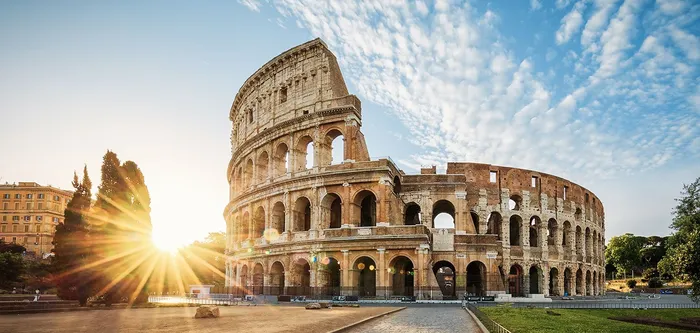
When do you want to travel, and when is the best time to go?
Every destination has a recommended ideal travel time and a less favorable one. The weather is often best during the best travel time. That is high season. But is it always the ideal time for you?
Rainy season, high humidity, heat, hurricanes … make sure to check climate charts before your trip. With climate change, the weather plays a bigger role when we plan a trip. You really have to be prepared for anything.
A friend recently had 20 cm of fresh snow and -20 °C at the Salar de Uyuni in Bolivia. Of course nobody was prepared for that. Still, it is important to look into the best travel time for your destination.
In high season the weather is usually best. But then there are also lots of tourists at your destination. Your favorite places to stay are often at their most expensive or even fully booked. Finding accommodation on the spot can be tricky then. The same goes for the off-season, by the way, when most places are closed.
If you are planning certain activities such as a surf trip, you definitely need to check when the conditions are best. Imagine flying to Fuerteventura and there are no waves. Or you just want to relax on the beach, and that is exactly when the windy conditions you need for surfing set in.
If you plan to go hiking, you want sunshine too. But it doesn’t have to be as hot as for a beach trip.
Traveling in the rainy season can be miserable: roads can be closed because of flooding, and you are limited in how you can get around. On the other hand, rainy season doesn’t necessarily mean it rains all day.
If your destination has a hurricane season, you should also think carefully about whether you want to travel then.
My experience in recent years has been that this season shifts further and further back. In Cuba and Mexico, the “dangerous” hurricane season started right after my trip in October, when it was actually the transition to the high season in November. In Cuba I “missed” Hurricane Sandy by 2 days.
There is never a “good weather guarantee”.
I have already published information about destinations here that should make planning your trip easier. I hope I can give you some useful information and help.
Long-haul trips in winter
I love traveling in the European autumn and winter. That is summer in the southern hemisphere, especially in Southeast Asia, Australia, New Zealand, South Africa and Latin America.
Here you will find an overview of the best travel times for popular destinations and here an overview of the best destinations for every month.
Travel styles: what kind of traveler are you?
When you plan a trip, one question is especially important: how do you want to travel? There are different travel styles: package tour, independent, on your own or in a group?
How do you want to travel, and which kind of trip suits you?
There are many ways to travel: by car, motorbike, bike, train, plane or ship? Independently on your own, or with a tour operator?
One of the questions you ask yourself when planning is how you want to travel. Independently and on your own, or with a tour operator who plans and organizes everything?
Do you just want to relax and not have to think about or take care of anything? Is a package holiday your solution?
Do you want to discover new things and have adventures? Meet locals and get to know their language and culture?
Some people like to travel in company and have a fixed program during their trip. Others prefer the freedom to decide spontaneously where to go next and what to do next.
Many people can’t imagine the latter, or how easy it really is to travel flexibly and independently. Or how easy it is to meet people and make connections that turn a trip into a unique and unforgettable experience.
But all travel styles have one thing in common: unforgettable experiences!
Independent travel on your own!
Traveling independently is not nearly as hard as many people think. The first time takes a little courage. When you set off for the first time, you plan extensively and in detail.
However, you don’t have a guide who plans your day and has tips and information about the country and its people ready for you. You have to plan everything yourself: the next transfer, your accommodation and the activities you want to do.
Of course you also have to take care of your visa yourself, which an agency or travel agent would handle for you on a group or package tour.
This has one huge advantage: you will look into your destination and read up on it before the trip. Thorough research before a trip takes a lot of time: going through guidebooks, online forums, atlases, maps and photo books can test your patience.
I love doing it and try to find the best possible route for the limited time I have for my trips. Here are my book tips for travel and destinations.
On my first backpacking trip (to Thailand, like almost everyone), I booked the first and last night in Bangkok in advance, plus the onward flight to Chiang Mai and a trip to Kanchanaburi, because we wanted to stay overnight on rafts on the river. Looking back, we wouldn’t have needed to book any of that in advance.
Everyone has to learn this for themselves, and everyone is different. I know experienced backpackers who, despite their experience, plan and book everything in detail before their next trip and leave nothing to chance. I am as spontaneous as possible.
I love traveling on my own!
(Guided) group tours
There are group tours where only your transfers and accommodation are booked. You can plan and shape the activities on the spot yourself. Fully planned group tours, on the other hand, offer you a carefree package. You don’t have to worry about flights, accommodation or the program. Your tour operator takes care of the planning and organization.
There are all kinds of group tours: educational trips, language trips, active trips, cycling trips or diving trips.
You won’t be lonely, and you don’t have to worry about a lack of language skills either. Your guide or tour leader on site speaks German or English.
The downsides of a group tour: you don’t know your fellow travelers, and they could spoil your fun. What I find much more regrettable about this way of traveling: you will probably have little or no contact with locals.
However, there are also tour operators who organize group tours as modules on site: you can choose between different packages and combine different tours. The advantage is that you can often book much more cheaply than from home and also support local agencies. Especially in developing countries (Africa), I find this very important.
This travel style plays no role for me: Package holiday: everything is all-inclusive: flight including airport transfer and (usually) a German-speaking tour guide with hotel and a carefree package. I couldn’t imagine anything worse.
How safe is the destination?
Are there any safety warnings or travel warnings?
Before your trip, you should find out exactly whether there is a travel warning or safety advice for your destination. There are, unfortunately, some crisis countries where you could put yourself in danger.
What are crisis situations?
Crisis situations can be political unrest, natural disasters or diseases (Ebola, for example). You can always read the travel and safety advice of the German Federal Foreign Office. (My opinion: it is often exaggerated, so I check the UK Foreign Travel Advice. It is more specific and better.)
In some countries you will learn about current crises through the media and TV reports. But the media don’t report on every country. That’s why I recommend finding out about the current situation in your destination before your trip.
Safety is important and should matter to you, especially if you travel with family and children.
Check the safety advice and travel warnings
You will find safety advice on the website of the German Federal Foreign Office and the UK Foreign Travel Advice. It also helps you find out whether a crisis is limited to a certain region of your destination.
I don’t usually do this for countries in Europe. But when we heard about travel warnings for Istanbul while in Tajikistan (it was our next stop on the way back), we took a closer look and checked how seriously we took it all.
Safety advice and travel warnings: what’s the difference?
The German Federal Foreign Office publishes information on every country, such as entry requirements, medical advice and customs regulations.
But what is the difference between travel and safety advice and travel warnings? Here is a short explanation:
Travel and safety advice
Here you will find out whether there are current problems in the country.
I find the advice on traffic and road conditions very helpful for road trips. It also answers questions about entry requirements and whether you need a visa.
One example is a note for Tajikistan (I had just been there and know it was up to date) that heavy snowmelt and severe rainfall had caused landslides and mudslides that flooded certain (important) roads.
You will also find notes here about remaining minefields to watch out for when traveling between certain places (apparently the mines have been cleared, but better safe than sorry).
Medical advice is listed too, such as a lack of medical care in an emergency.
I always read the travel advice to get an idea of the situation on the ground (political, medical and infrastructure).
On the ground: talk to locals!
When you travel, talk to locals who know the area. They always know where danger might lurk. Common sense and my gut feeling have never let me down so far.
In Colombia, this was a great help to us!
Destinations for independent travel (beginners)
Backpacking for beginners: easy places to get around!
When you travel independently for the first time, you won’t believe that getting from A to B without a fixed route can be easy. But it is. You will notice that you become more relaxed with every trip. At some point you take unplanned stops and route changes in your stride and look forward to the adventure.
I asked travel bloggers which country they would recommend for your first independent trip, whether it’s a road trip by car or just with a backpack.
My first independent backpacking trip, by the way, took me to Thailand. My first road trip took me to the east coast of the USA and Canada after finishing school. Both trips were quite a while ago.
Here are all the tips for countries that are easy to travel. I asked fellow bloggers for their tips.
- Taiwan, tip from Steven of Funkloch
- USA, tip from Anna of Anemina Travels
- Argentina, tip from Madlen of Puriy
- Thailand, tip from Tobi of Home is where your bag is
- Peru, tip from Anne of Going Vagabond
- Poland, tip from Mandy of Go Girl! Run!
- New Zealand, tip from Simone of WOLKENWEIT
- My own tips are France, Norway, Sweden, Mexico (Yucatán) and Costa Rica
Useful links: our recommendations, where we book
If you book your trips or gear through my links, I receive a small commission. This helps me fund this travel blog (technology & hosting). Thank you for your support and for being part of my community. Thank you so much for your support!
Did this article help you? I’d love to hear your feedback!
For more travel tips and personal recommendations:
Follow me on Facebook, Instagram, Pinterest or Threads, or sign up for my newsletter to get new articles and exclusive tips regularly. Do you know my podcast “abgefahren. Der Reisepodcast” (in German)? Have a listen on Spotify, Apple Podcasts or Amazon Music.
Do my tips help you? Then say thanks with a coffee.
Everything here is based on real experience and honest research, without AI and with a lot of heart.
If you want to support my work, I’d be happy about a small tip for the virtual travel fund. Thank you!