My experiences in Israel
Before a trip to Israel you should know that people are open and friendly towards tourists. Many are strictly religious, and some don't want to hear anything about all the conflicts and simply want to live in peace. Don't get drawn into discussions about religion. Then you can enjoy your road trip or short trip to the full.
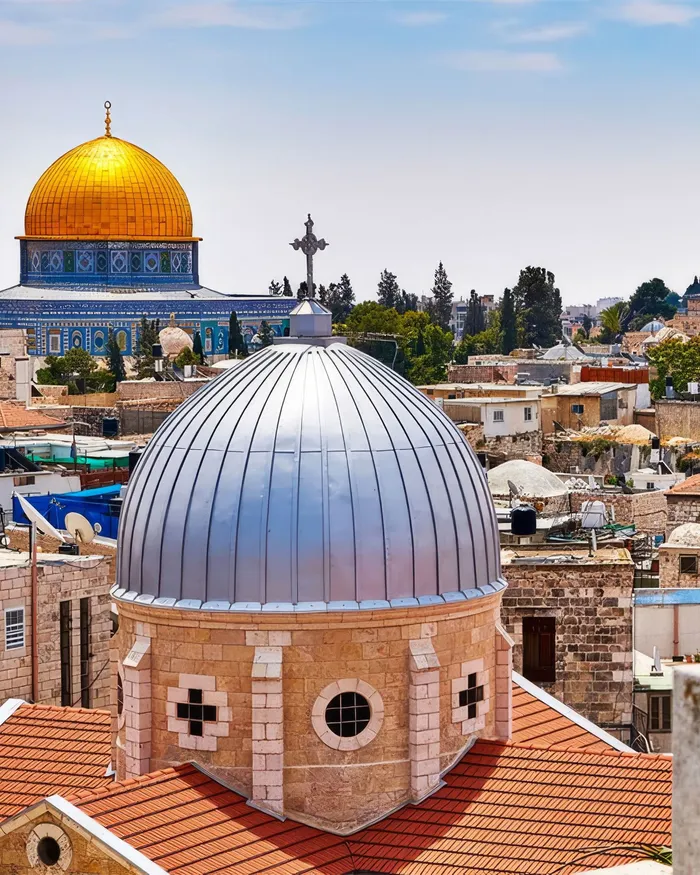
Israel has plenty of highlights. My favourites are Tel Aviv and Jerusalem. Then there's the Negev desert as well as Masada, Ein Gedi, the Sea of Galilee, the Church of the Nativity in Bethlehem and Nazareth. Bethlehem is in the West Bank, though, and there is currently a travel warning for it.
Here you'll find all my Israel travel tips and travel guides on the blog.

Katrin Lehr
Travel blogger since 2013
Hi, I'm Katrin. I've been travelling since 2013, to 69 countries so far, and I write down everything I've experienced and tried myself. Honest, independent and organised so you can plan your trip without endless searching.
Israel map
Loads OpenStreetMap (transfers data such as your IP address). Privacy policy
Best time to visit Israel
The best time to visit Israel is spring and autumn, roughly from mid-April to mid-June and from September to mid-November. In summer it gets hot, around 31 °C in Tel Aviv and often around 40 °C at the Dead Sea and in the desert, and the air is dry and dusty, so Tel Aviv with its beaches is a better choice than the desert. The Negev is most pleasant to explore from October to April. July, December and January are the least favourable months.
I was in Israel in November. At the Dead Sea and in Tel Aviv it was always around 28 °C, in Jerusalem a pleasant 24 °C, and after sunset you'll need a jumper there. In the north the evenings get even cooler, and on the Golan Heights an icy wind blows, so a jacket comes in handy. Right now, though, I wouldn't travel to the north and the Golan Heights. The border with Lebanon is unsettled, and the ceasefire there is fragile.
Keep an eye on the Jewish holidays. Many people travel to Israel then, it gets very busy, and accommodation, flights and rental cars are more expensive.
LegendBest time to visitGood time to visitLess suitable time
| Jan | Feb | Mar | Apr | May | Jun | Jul | Aug | Sep | Oct | Nov | Dec | |
|---|---|---|---|---|---|---|---|---|---|---|---|---|
| Best time to visit | Jan: good | Feb: good | Mar: best time to visit | Apr: best time to visit | May: best time to visit | Jun: good | Jul: less suitable | Aug: less suitable | Sep: best time to visit | Oct: best time to visit | Nov: best time to visit | Dec: good |
| Road trip | Jan: good | Feb: good | Mar: best time to visit | Apr: best time to visit | May: best time to visit | Jun: good | Jul: less suitable | Aug: less suitable | Sep: best time to visit | Oct: best time to visit | Nov: best time to visit | Dec: good |
| Sun & beach | Jan: less suitable | Feb: less suitable | Mar: less suitable | Apr: good | May: best time to visit | Jun: best time to visit | Jul: best time to visit | Aug: best time to visit | Sep: best time to visit | Oct: best time to visit | Nov: good | Dec: less suitable |
| Desert | Jan: best time to visit | Feb: best time to visit | Mar: best time to visit | Apr: best time to visit | May: good | Jun: less suitable | Jul: less suitable | Aug: less suitable | Sep: less suitable | Oct: best time to visit | Nov: best time to visit | Dec: best time to visit |
| Fewer tourists | Jan: best time to visit | Feb: best time to visit | Mar: good | Apr: less suitable | May: good | Jun: good | Jul: good | Aug: good | Sep: good | Oct: less suitable | Nov: good | Dec: best time to visit |
Visited in:Nov
Israel climate table
DayNightRainy days
Climate table with all values
Temperature:0–9 °C10–16 °C17–23 °C24–29 °C30 °C and above
Swipe for all months →
Measured at the stations Bet Dagan and Sde-Dov (Tel-Aviv), average 1991–2020 (German Weather Service (DWD)). Rainy days = days with at least 1 mm of rain.
All Israel travel guides
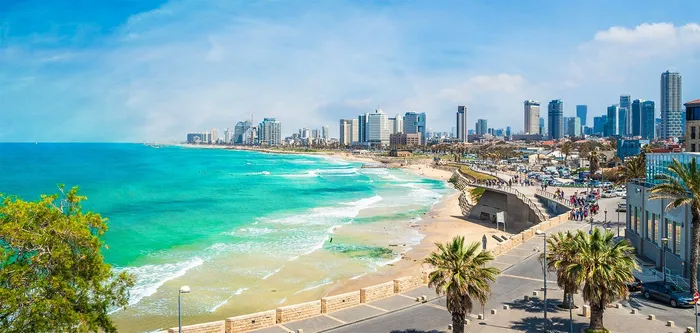
Tel Aviv Blog: Die besten Tipps für Tel Aviv
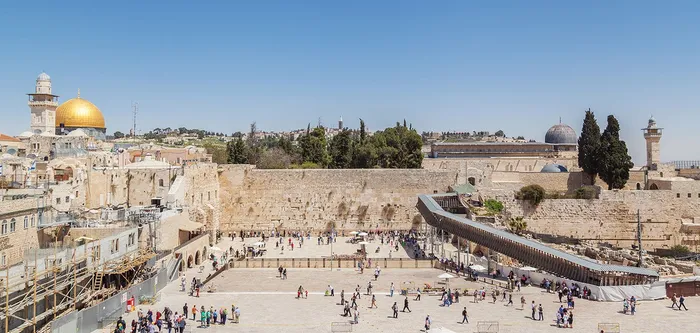
Jerusalem Sehenswürdigkeiten
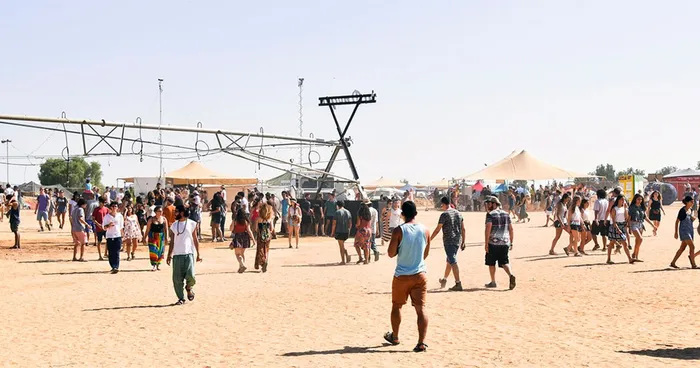
Musikfestival in der israelischen Wüste: InDNegev
There is no article for this selection yet.
How to plan your trip to Israel
Here you’ll find the most important information for planning your trip to Israel, from entry requirements to getting around.
Why travel to Israel?
In many ways, a trip to Israel is a trip that teaches you lessons for life, whether it’s about religious aspects, historical sites or pilgrims. Our trips moved us deeply and left us with many questions.
Above all, you have to visit Jerusalem and its Old City. Nowhere is the melting pot bigger, and conflicts are always present. Free yourself from prejudice and dive into the bustle.
The same goes for the Western Wall in Jerusalem: the most strictly religious Jews are not allowed to turn their backs on the wall. You shouldn’t pull out your phone there either. But just a few steps away from the Western Wall, most people take out their phones. A few hundred metres further on, you can watch singing groups of pilgrims on the Via Dolorosa. They walk the 14 Stations of the Cross along Jesus’ path of suffering to the Church of the Holy Sepulchre. Also a very interesting thing to watch.
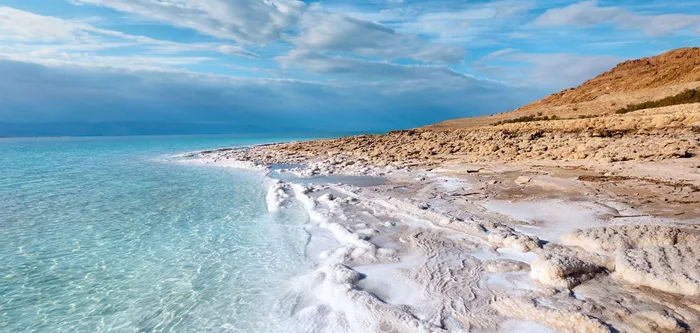
On top of that, the landscapes couldn’t be more varied: barren desert next to green oases, and of course the Dead Sea, with salt content so high that you can float on it without sinking.
In the south around Eilat are the tourist hotspots for diving and beach holidays. We deliberately avoided these regions.
We still keep discussing what we learned on our Israel trip. Do we believe, and if so, in what? Do we think Israel handles the issues around its settlement policy well? Or are the Palestinians right to defend themselves? We abhor any kind of violence and don’t want to write about political and religious matters here either. There’s no right answer anyway. Still, take the time to look into it yourself.
Entry and visa for Israel
To enter Israel you need a passport (an ID card isn’t enough) and, in advance, the electronic travel authorisation ETA-IL, which you apply for on the official portal of the Israeli government. Airlines check before departure whether you have it. With ETA-IL, your passport must be valid for at least three months beyond your trip. Children need their own passport. When you travel to Israel, you don’t get a stamp in your passport.
Be prepared to be questioned on entry and exit. The questions can be very personal. Be friendly and answer everything you’re asked. Have the address of your accommodation ready too. You also shouldn’t be surprised to see police officers with submachine guns patrolling the terminal at departure.
You should check all the current entry information with the German Federal Foreign Office (in German).
Booking a rental car for your Israel road trip
We recommend exploring Israel by rental car. It gives you more flexibility, and you can explore the country your own way. You can stop wherever and for as long as you like. We make almost all our bookings with Sunny Cars, a rental car booking platform. You can compare prices from different providers and sign your contract in German. If you have problems, there’s German-speaking support.
The best part is that you can book all the important extras (additional driver, insurance) in advance and get into the car almost straight away on arrival. For a small car, expect to pay around 350 euros per week. The more extras you add, the more expensive it gets.
Etiquette in Israel
At holy sites such as mosques, synagogues and churches, you should follow these dress rules: short skirts and shorts are a no-go. Your shoulders should be covered. Men must wear a head covering at the Western Wall or in synagogues (at the entrance there are scarves everywhere to wrap around you and kippahs for men to borrow), while in churches you should take it off. In mosques you have to take off your shoes at the entrance.
Don’t take photos of military facilities. It’s forbidden. You should also avoid taking pictures of government buildings and police stations. Don’t photograph ultra-Orthodox Jews from the front either.
What language is spoken in Israel?
The official languages in Israel are Modern Hebrew and Arabic. Road signs are always in English, Hebrew and Arabic. English is the language of education. Almost all Israelis speak very good English. At many street food stalls and some sights, there are no English texts or prices.
How expensive is Israel?
Food prices in Israel are similar to those in Germany, sometimes higher, sometimes lower. As a tourist, you’re often quoted a higher price than locals. On the beach in Tel Aviv, for example, a beer cost 32 NIS (expensive! Today that’s about 8.70 euros).
In Jaffa you can get falafel from 10 NIS, but near the sights it can cost 24 NIS. Pomegranate juice was also sold to tourists for 16 NIS, while the official price was 12 NIS (I only paid 12).
Buying fresh food at the market is often cheaper than at the supermarket. We often ate in good restaurants or stayed in kibbutzim, where meals are included (but not that tasty).
Main courses in a restaurant: from 10 euros, at a street food stall from 3 euros.
Food and drink
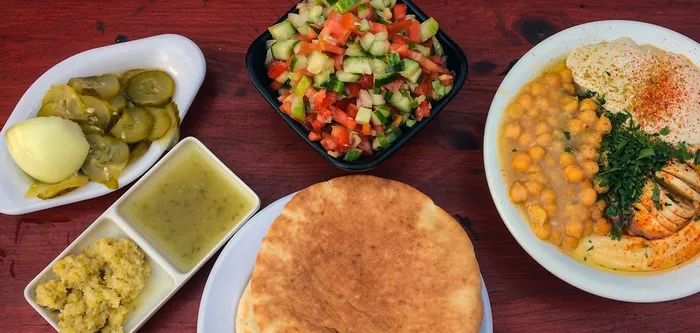
As multicultural as the population, as varied is the food: hummus and falafel are a must. You also have to try Israeli wine. It really tastes good!
Mobile and internet in Israel
In Israel you’ll find Wi-Fi almost everywhere. In some hotels, unfortunately (as in Germany), only in the lobby, and in your room at an extra charge. The internet at street food stalls was often faster than at our accommodation. So I didn’t buy a SIM card.
Safety in Israel
Right now I would think very carefully about a trip to Israel. The country is formally in a state of war, and there is a high risk of attacks, including in Tel Aviv and Jerusalem. Gaza and large parts of the West Bank are off limits for travellers, and the north near the Lebanese border and the area around Gaza are particularly dangerous. If the situation escalates, airspace can close and flights can be cancelled at short notice. Before a trip, I always check the British travel advice as well as the German one, because it distinguishes more precisely between regions. Be sure to check the current advice before your trip.
My own experiences come from my trip in November 2014. The situation was tense back then: in Tel Aviv and Jerusalem I saw many armed soldiers and had to pass through checkpoints. As a tourist I still didn’t feel unsafe, and the Israelis were open and helpful. But that can’t be applied to the situation today.
Recommended guidebooks for Israel
For our last trip I bought the ADAC guidebook for Israel (in German). Ideal for a road trip and for visiting the cities of Jerusalem and Tel Aviv. I can highly recommend it. If you’ve been to Israel a few times already, I can recommend the Tel Aviv und Jerusalem: Lieblingsorte guidebook (in German). It also includes places on the well-known tourist trails.
I’m also happy to recommend the DuMont BILDATLAS Israel (in German), with lots of background information on the country and its people.
How long is the flight to Israel?
Israel is only four hours by plane from Germany. Perfect for a short trip, too. Direct flights to Israel are operated by Lufthansa or the Israeli airline El Al to Tel Aviv (Ben Gurion International). The old airport in Eilat has been closed since 2019; for the south you now fly to Ramon Airport (ETM), about 18 kilometres north of the city. If the situation escalates, flights can be cancelled at short notice.
Is there a time difference with Israel?
Israel is 2 hours ahead of the UK and 1 hour ahead of Germany all year round, because all three countries switch to summer time. Only for a few days in late March is the difference one hour bigger, because Israel switches a little earlier.
Driving and traffic in Israel: what’s the best way to get around?
Israel isn’t much bigger than the German state of Hesse, so distances are manageable. By car you can get from the north to the south in 8 hours. The road network is excellent, and the roads are in very good condition everywhere. You can also get around easily by bus, taxi or train (Tel Aviv to Jerusalem). But a rental car gives you the most flexibility.
If you drive from Jerusalem to the Dead Sea, you’ll pass several checkpoints of the Israel Defense Forces. As a tourist you have nothing to worry about here. But you should always carry your passport with you.
Are shops open on Shabbat?
If possible, don’t arrive in Israel on a Friday or Saturday. The weekend is Friday and Saturday. During this time, life is quite restricted: El Al doesn’t fly (Ben Gurion Airport stays open, though), and public transport is very limited or stops completely. Most shops close in the early afternoon on Friday before Shabbat begins. Many sights, museums and restaurants are closed. Some hotels or tourist restaurants still serve food, but often only cold dishes.
By the way, Shabbat begins at sunset on Friday (in winter as early as around 4 pm) and ends on Saturday shortly after sunset. Muslims and Christians also observe their own days of rest.
Can I drink the tap water in Israel?
Yes. The water quality in Israel is excellent.
My experience with Israel
Israel exceeded my expectations. I want more of it. Understand more about the conflicts, meet more locals, see Akko and Haifa, and spend much more time in Jerusalem and Tel Aviv.
My trip was in 2014, and the situation has changed a lot since then. So check carefully before you travel, more on this under Safety in Israel.
Above all in Tel Aviv I felt an enormous joy of life. Every day is enjoyed all the more here. At the tourist sites we noticed little of any unrest or tightened controls back then.
Israel as a destination divides opinion. Some think the country is wonderful, would go back immediately and envy us for these trips. Others shake their heads and don’t understand at all how we could travel to such an unsafe and politically difficult country.
Yes, many people condemn the politics. But we don’t want to talk about politics here. For us it’s about travelling, experiencing things ourselves, seeing them with our own eyes and talking to locals.
Of course we thought about it beforehand and weighed it up. But that doesn’t belong on a travel blog for us.
Where to stay in Israel
In Tel Aviv there are more and more good, central hostels for affordable stays. In Jerusalem, on my first stay, we stayed at the Prima Kings Hotel in the New City, just one kilometre from the Old City. On the Sea of Galilee you can stay at Kibbutz Nof Ginosar.
Looking for a hotel?
I usually find my hotels on Booking.com or Expedia.
Money & payment
1 Israeli new shekel (NIS) = 100 agorot. You can exchange money at any bank, at your hotel and at exchange offices. I always use my credit card (for German residents) to withdraw cash free of charge. Usually right at the airport. At Ben Gurion Airport, for example, there’s an ATM in the baggage claim area and three more outside.
By the way, ATMs aren’t refilled during Shabbat. Take care of this beforehand so you don’t end up in front of an empty ATM.
Best travel credit card for Israel
In 2026, the best free credit cards for travel (for German residents) are the TF Bank Mastercard Gold, the DKB debit card (with account) and the Revolut Mastercard. Wherever you're from, take at least 2 cards without foreign transaction fees, so you can almost always withdraw cash and pay for free abroad.

How to Find Cheap Flights: 10 Tips That Actually Work
Want to know where and when flights are cheapest? Here you get practical tips on flight search engines, apps, the best time to book and strategies that help you get the best flights. In this article I show you how I search for and book my flights.
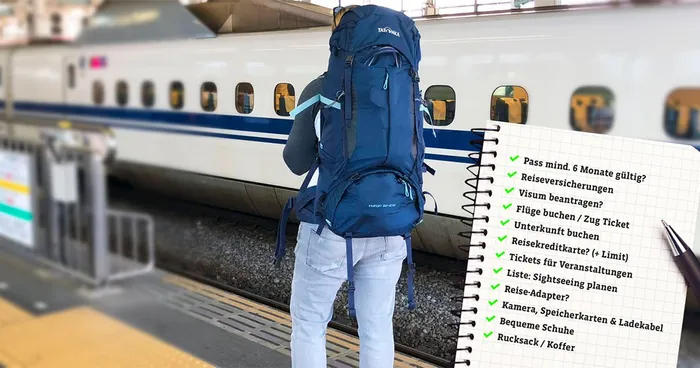
Travel Packing List: Checklist for 1 Week, 10 Days & 3 Weeks
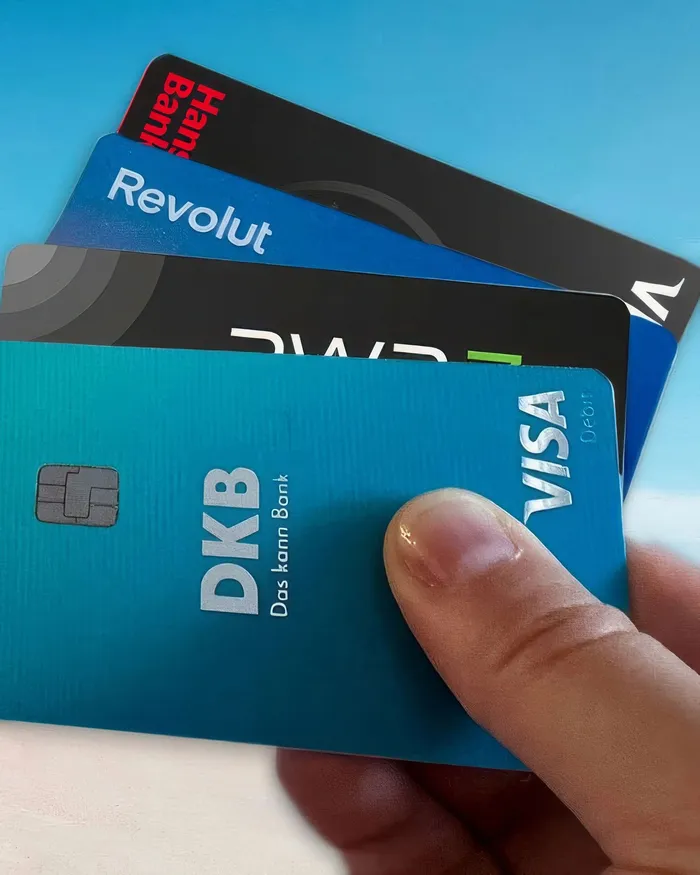
Die besten Reisekreditkarten – Vergleich mit Tipps

Reiseversicherungen, die du wirklich haben solltest
Useful links: my recommendations, this is where I book
If you book your trips or gear via my links, I receive a small commission. That’s how you can help me finance this travel blog (tech & hosting). Thank you for your support and for being part of my community. Thank you so much!