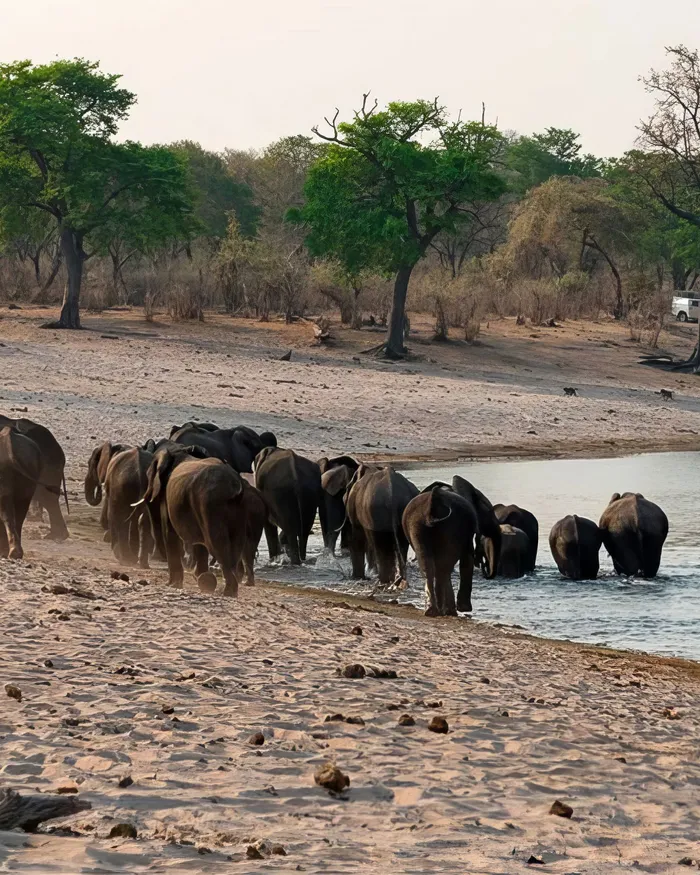
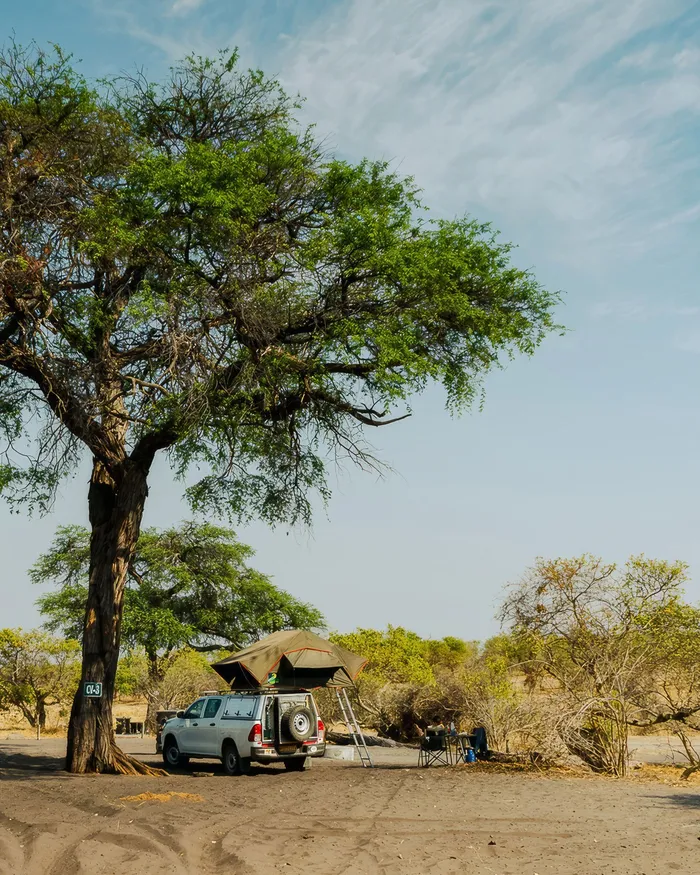
Namibia is one of the most fascinating countries, with a (sad) German past.
I've visited Namibia in southern Africa twice. The first time, I travelled from Windhoek past the Waterberg to the north, to the Caprivi Strip and on to the border with Botswana. On my second trip, I didn't just visit remote areas (Palmwag and the Hoanib Skeleton Coast), I also drove through the country on my own by car for more than 3 weeks.
That's why you'll find lots of travel tips and experiences here for Namibia as a self-driver (rental car with a rooftop tent, or staying in lodges and on farms), as well as fly-in safaris with Wilderness.
Have fun planning your trip to Namibia!
Here you'll find my experiences in Namibia, with travel tips and travel guides that will help you plan your trip and show you what to keep in mind. I'll also tell you about the basic mistakes I wish I'd avoided.
- Tips for popular routes: from Windhoek, with and without Botswana
- The best places to stay and campsites: handpicked from all my trips to Namibia.
- Safaris and wildlife watching: the best places, the most beautiful national parks and the ideal time of year for unforgettable wildlife encounters.
Namibia overwhelmed me, and I already have more plans for this wonderful and varied country.
Start planning your trip to Namibia here:
Plan a Namibia road trip Namibia itineraries for 2 to 4 weeks Namibia and Botswana trip report Namibia packing list

Katrin Lehr
Reisebloggerin seit 2013
Hi, I'm Katrin. I've been travelling since 2013, to 69 countries so far, and I write down everything I've experienced and tried myself. Honest, independent and organised so you can plan your trip without endless searching.
Namibia map
Loads OpenStreetMap (transfers data such as your IP address). Privacy policy
Best time to visit Namibia
Best time to visit: May to September (dry season)
Namibia is a year-round destination, but depending on the region and your activities, there are clear months to recommend. I travelled at the end of the dry season. The days were wonderfully sunny and clear, but the nights were sometimes quite cool, mainly when camping. We had a warm blanket in the rooftop tent, though.
On my second trip I was there right in the rainy season (mid-November to mid-April), with flooded "pads", adventurous drives through mud and water, but it was great.
The best time to visit is the dry season from May to October. The pads (gravel roads) are passable, it hardly rains, and elephants, giraffes and more gather at the waterholes in Etosha. If it's your first time in the country, I recommend exactly this time: the most wildlife sightings, clear views and a pleasant climate.
I'm a fan of the shoulder months April/May and September/October. They bring mild temperatures, a bit more vegetation and fewer travellers. In the rainy season from November to March, on the other hand, it gets hot and humid, and some places become impassable. Still, this time has its charms: green landscapes, great light and fewer crowds.
LegendBest time to visitGood time to visitLess suitable time
Visited in:MarAprMayAug
Namibia climate table
Temperature:below 10 °C10–16 °C17–23 °C24–29 °C30 °C and above
Rainy days = days with at least 1 mm of rain. Average 2016–2025 · Data: Open-Meteo (ERA5 reanalysis)
Namibia itineraries
All Namibia travel guides
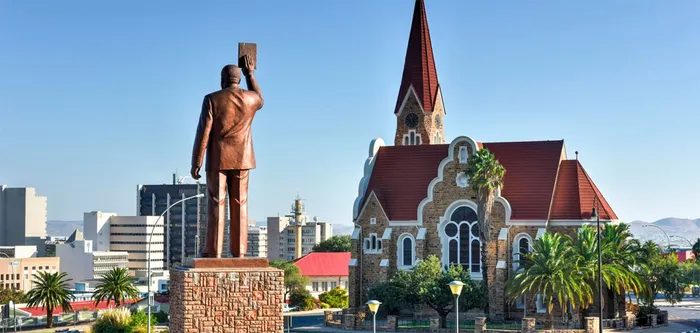
Windhoek: Tipps für die Hauptstadt von Namibia
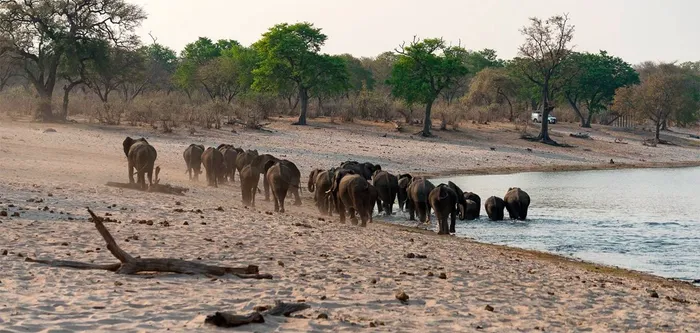
Beste Reisezeit Namibia: Klima, Monate und Tipps für deine Namibia Rundreise
Namibia Rundreise als Selbstfahrer planen: Meine Tipps und Hinweise zum Roadtrip
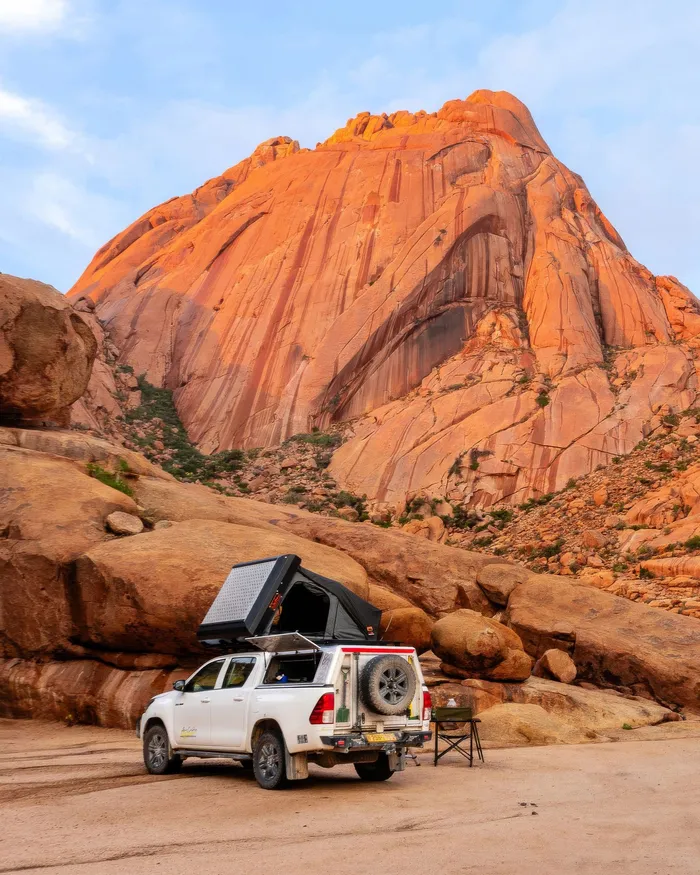
Namibia Packliste: Was du wirklich einpacken musst (und was nicht)
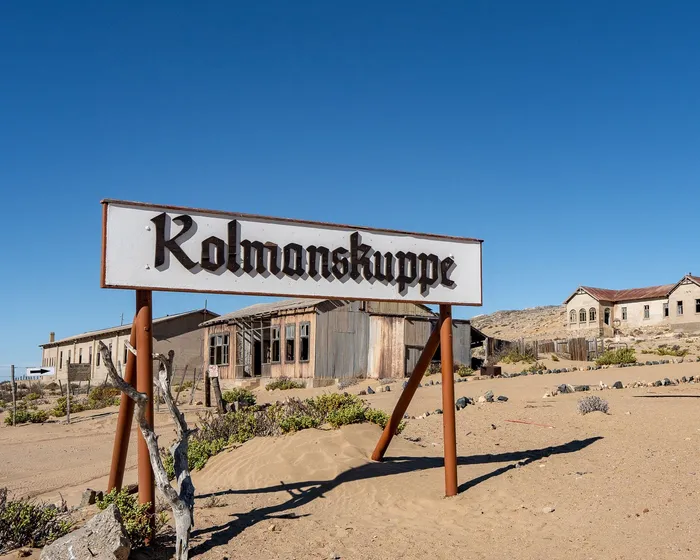
Namibia Kolmanskop: So besuchst du die Geisterstadt Kolmanskuppe im Süden von Namibia in der Wüste
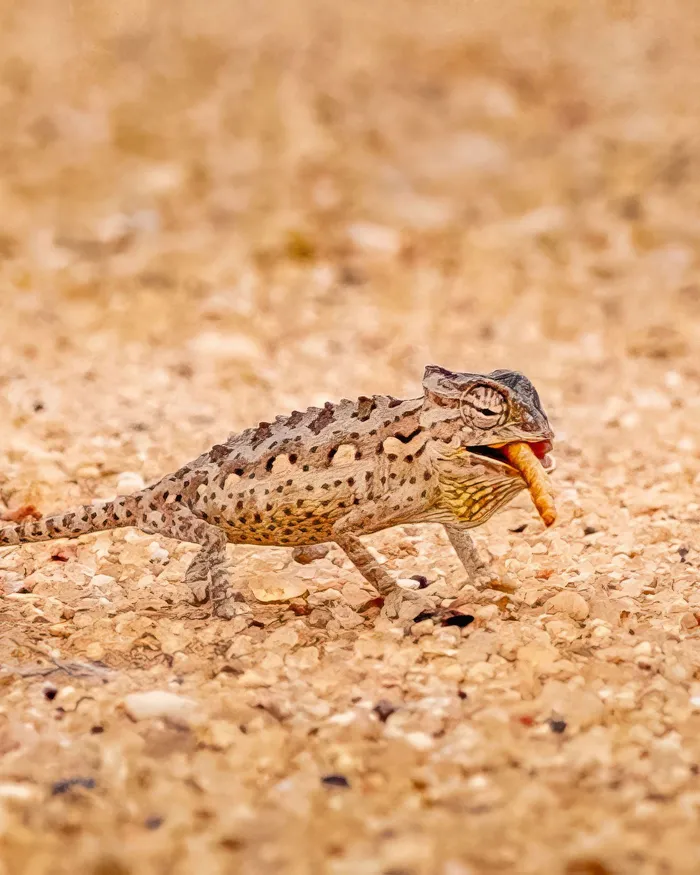
Living Desert Tour in Swakopmund: Auf der Suche nach den Little Five der Namib-Wüste
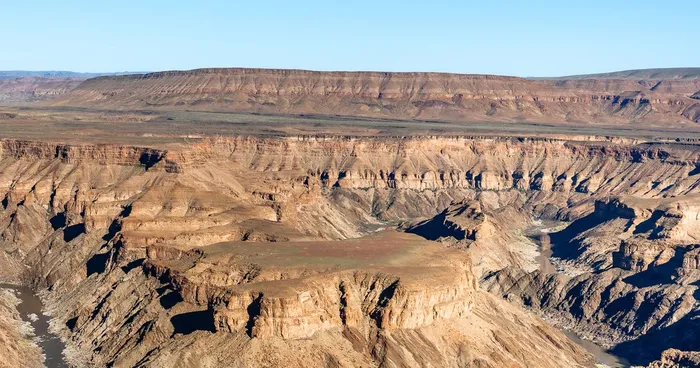
Tipps zum Besuch des Fish River Canyon: Viewpoints, Wanderungen & wo übernachten
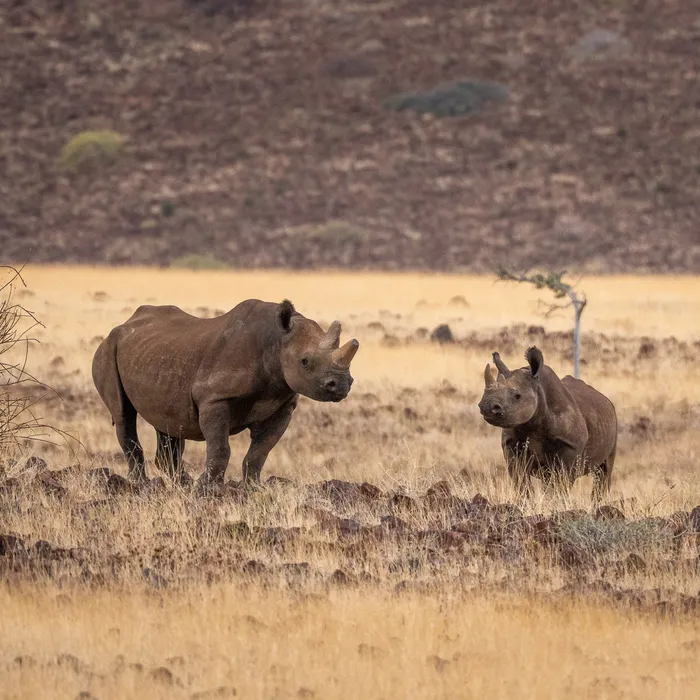
Wilderness Desert Rhino Camp: Nashorn-Tracking im Damaraland
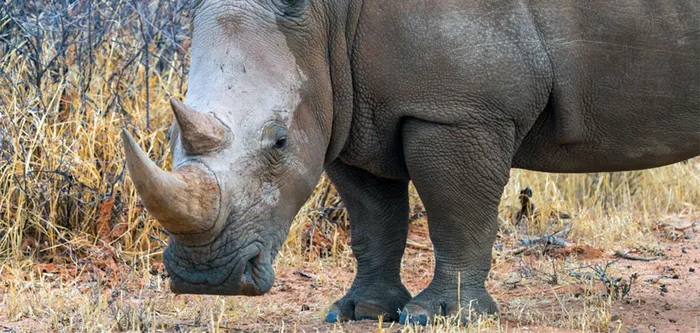
Waterberg Namibia: Nashörner beim Rhino Drive
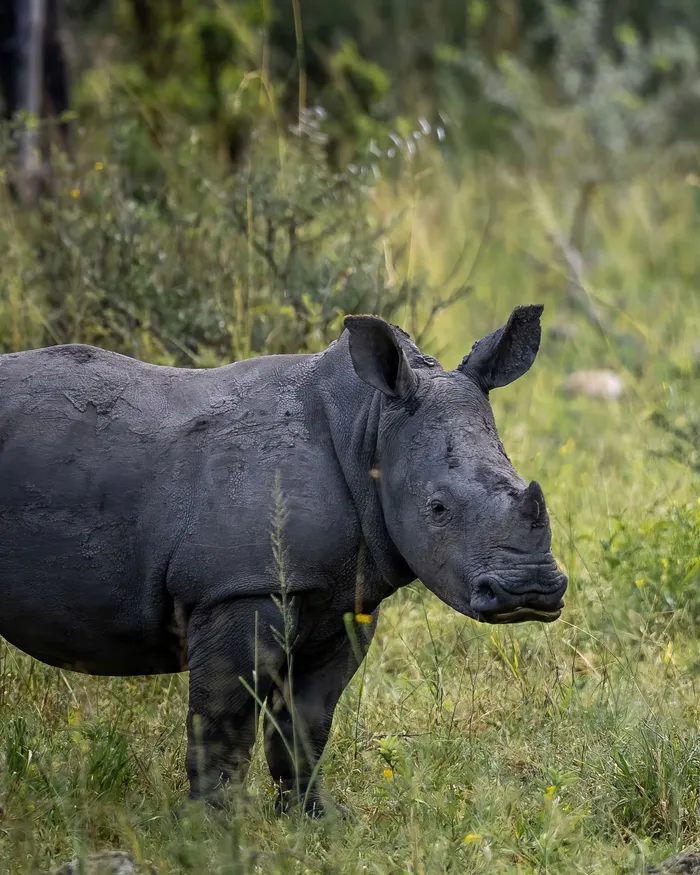
Ghaub Gästefarm: Mein Erlebnis beim Rhino Tracking & Campsite
Namibia Rundreise Selbstfahrer: Routen für 2-4 Wochen
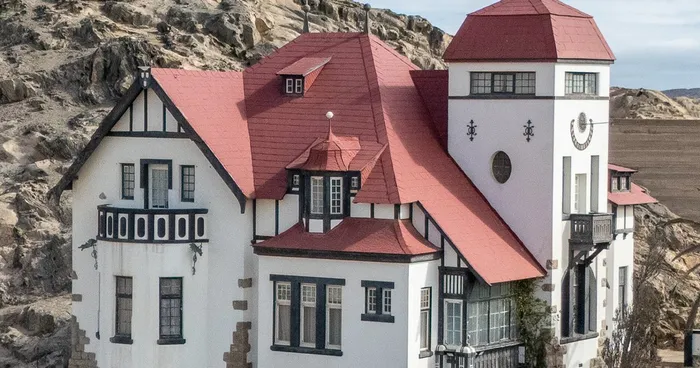
Lüderitz in Namibia – Sehenswürdigkeiten, Pinguine & meine besten Tipps
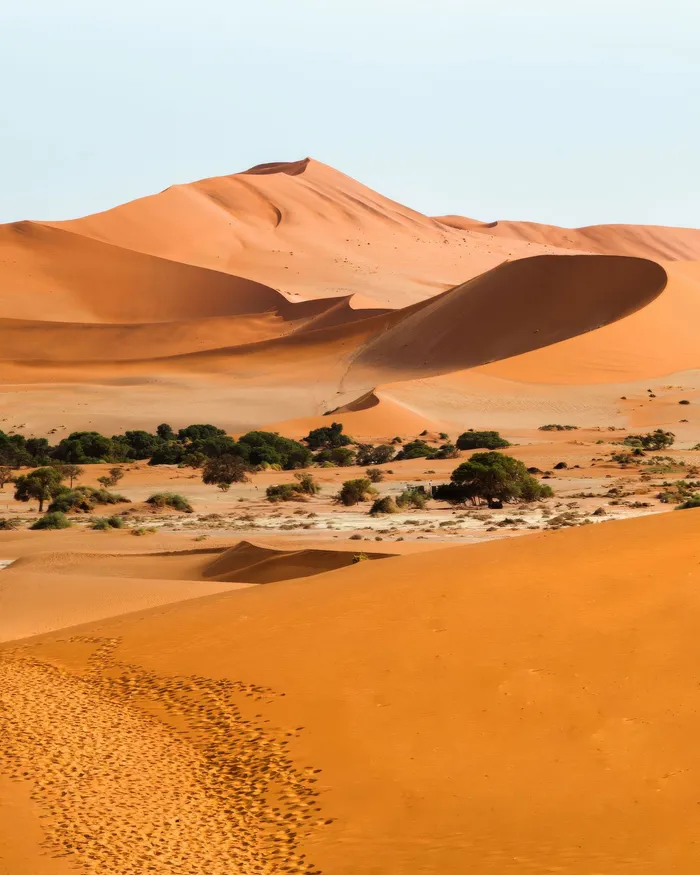
Namibia Reiseblog: Reiseberichte, Routen, Tipps und Highlights
There is no article for this selection yet.
Top places to visit in Namibia
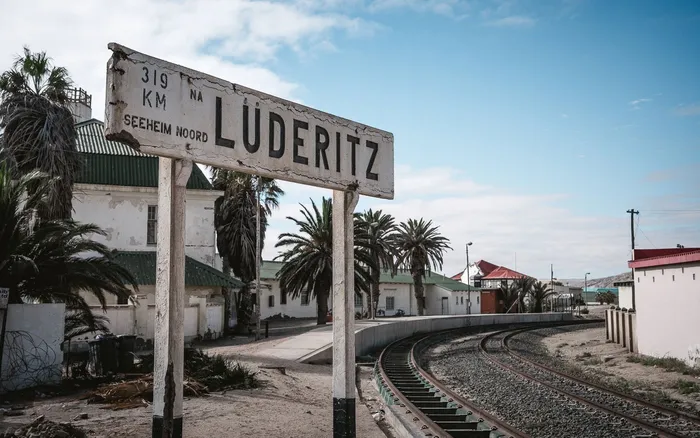
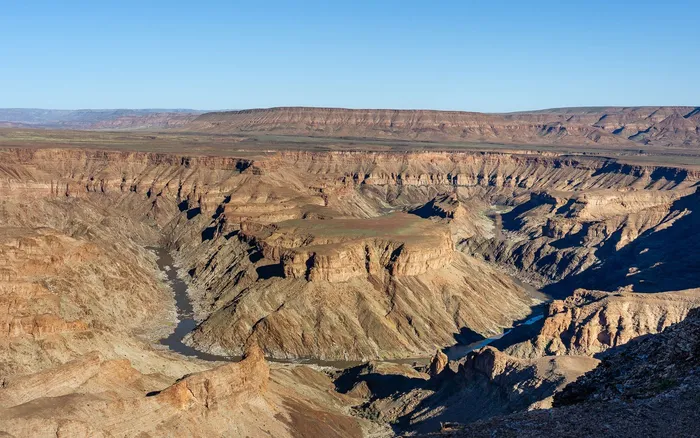
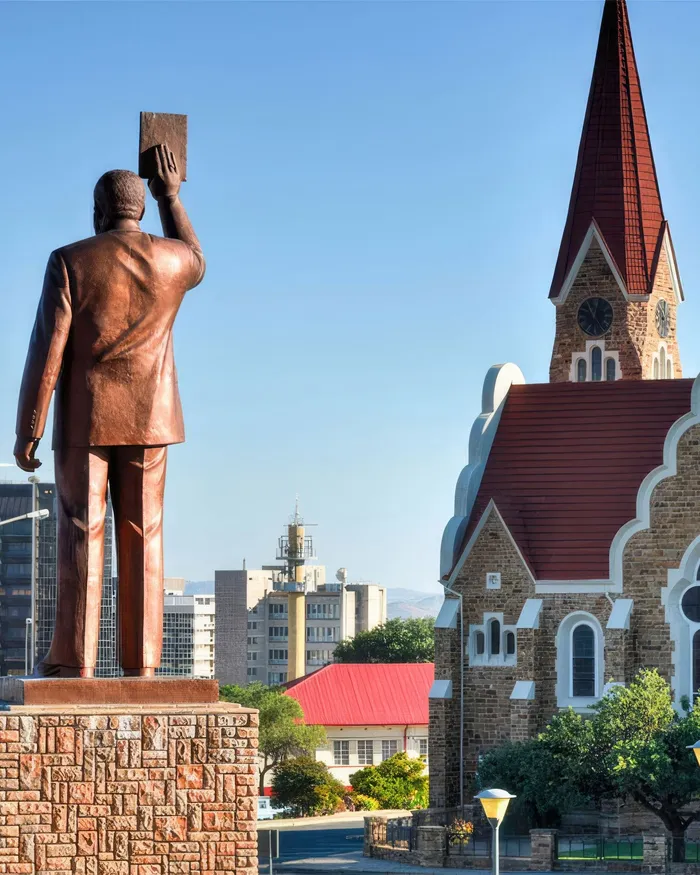
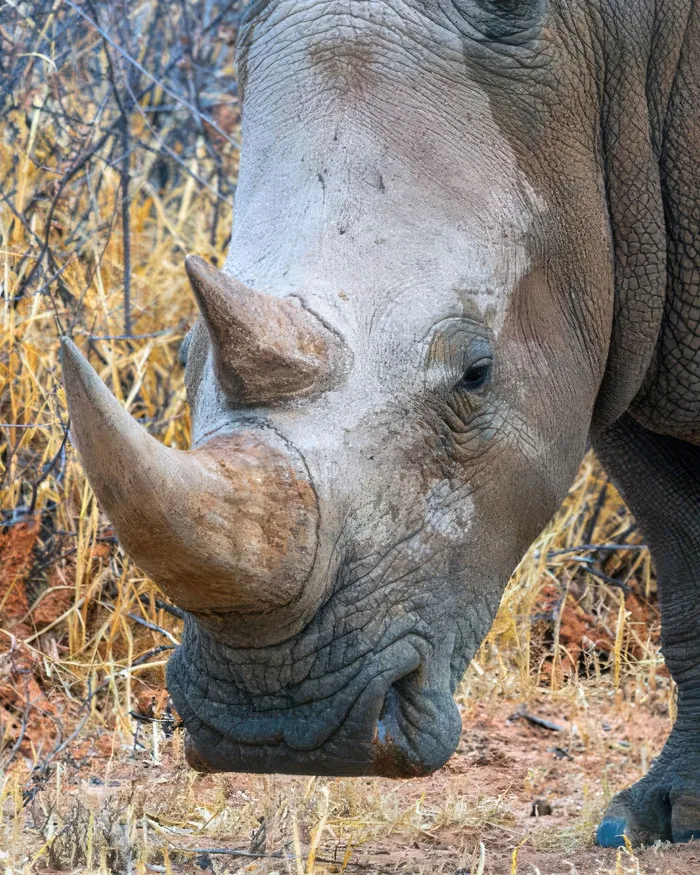
Photos from Namibia
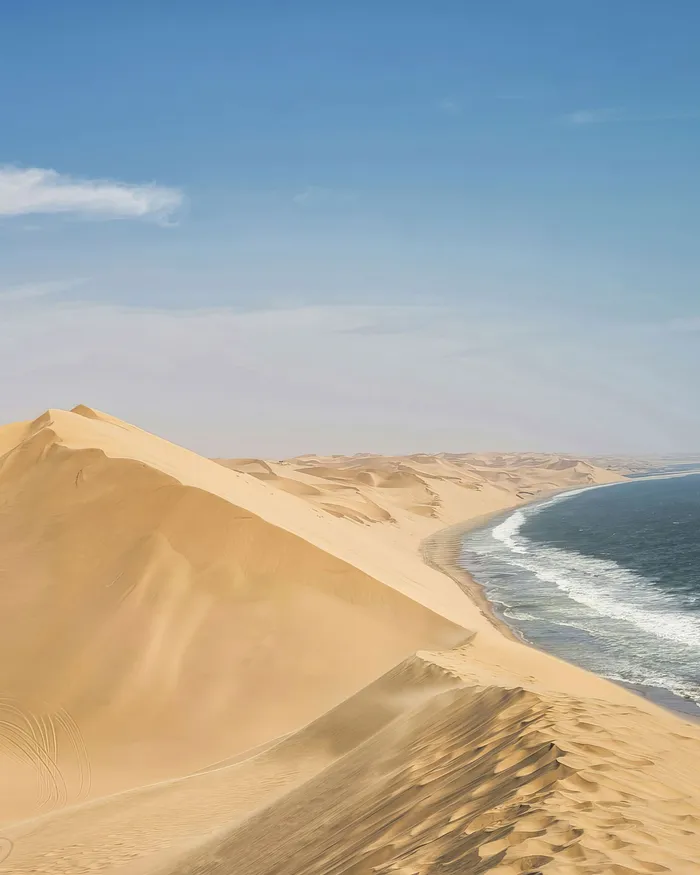
Sandwich Harbour near Swakopmund, Namibia
The dunes of Sossusvlei
 Our car on the road trip from Cape Town to the Namibia/Botswana border and Kgalagadi National Park
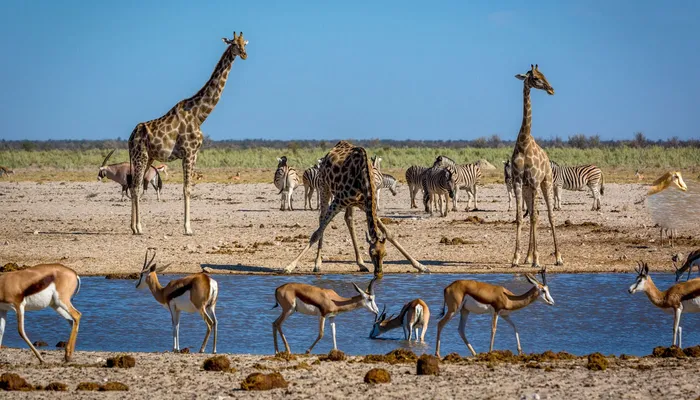
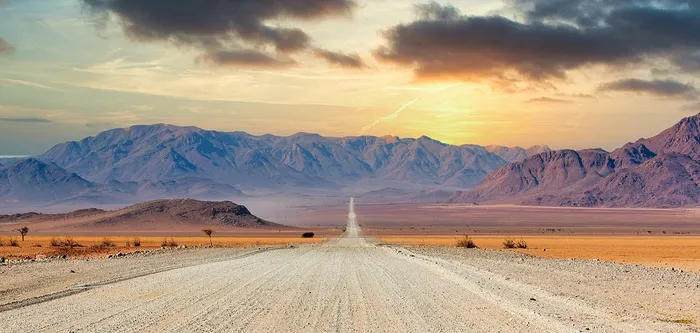
The Caprivi Strip in Namibia
Windhoek: tips & highlights for the capital of Namibia
Waterberg Wilderness: rhinos up close on foot
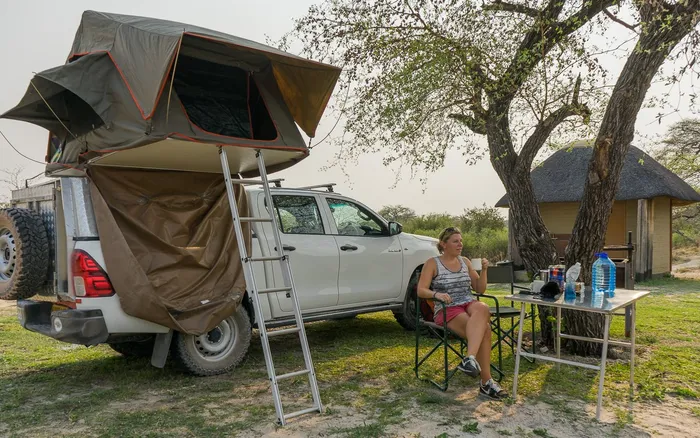 Our rental car for Namibia and Botswana: a 4x4 with a rooftop tent
Podcast episode
Be sure to listen to our podcast episode, where I talk about Namibia (in German):
How to plan your trip to Namibia
Many people feel overwhelmed when planning a Namibia road trip: too many options, too varied a country, and often limited time. That’s why I’ve summarised the most important things here:
Is Namibia worth visiting?
The country is stable and safe. It also has excellent infrastructure for self-drivers.
Entering Namibia
Entry to Namibia changed in 2025: as an EU, UK or US citizen you now need a visa. This applies to tourist stays of up to 90 days. Visa options:
- Apply for an e-visa online in advance
- Visa on arrival directly at the airport or border crossing
Both options currently cost about NAD 1,600 (approx. €80) per person. I got my visa on arrival, and the queue was shorter. But that can vary, depending on whether your fellow travellers applied for a visa in advance or not. Important: your passport must still be valid for at least 6 months when you leave.
Getting there & getting around in Namibia
Booking flights
To find flights, I use Google Flights and Skyscanner. I use these flight search engines to get an overview. Check carefully whether luggage is included in the price.
I recommend starting your Namibia trip in Windhoek, as rental cars are much cheaper there. Alternatively, you can fly directly to Walvis Bay (via Johannesburg, for example).
Getting around by rental car
A rental car in Namibia is a must if you want to travel independently. If you’re afraid of gravel, driving on the left or sand, you can book a group tour or a tailor-made trip with a driver.
Costs vary depending on the type of vehicle and the rental period.
To rent a car, you need a valid driving licence (often an international one as well), a credit card in the driver’s name, and you usually have to be at least 21 years old.
Namibia drives on the left. Find out how to drive on gravel roads and sand. Reduce your tyre pressure (your rental company will give you tips and recommended figures, as they vary by car).
Where to stay in Namibia
Namibia has a wide range of accommodation, from simple campsites and rustic self-catering huts to luxurious safari lodges. I’ve tried everything and like the mix.
If you want to sleep in the middle of the wilderness, you can use authentic camps and campsites in national parks and reserves. I’ll put together a list of the places I’ve tested so far.
Looking for a hotel?
I usually find my hotels on Booking.com or Expedia.
Is Namibia safe?
You’re probably wondering how dangerous a trip to Namibia is?
Namibia is a stable and, in my eyes, safe destination. The infrastructure is good, you just mustn’t be afraid of driving on the left. Everyone gets at least one flat tyre, so be prepared and check the quality of your tyres. I didn’t have a single one on either trip. And the second time I was travelling solo: more than 3 weeks on a road trip as a woman on my own. Namibia really is safe.
Which rental car for Namibia?
You can rent a normal car, but you’ll be limited. Above all, you need ground clearance, so I’d recommend a 4×4. Deep potholes, gravel roads and great sandy tracks await you, which you can’t drive without four-wheel drive. That’s exactly where the adventure is. So for us there was no question, and both times we found the best rental company in Windhoek at Asco Car Hire.
On our trip, which also took us to Botswana and onto deep-sand tracks, many other travellers envied us, because we had by far the best tyres of any rental company. That’s an important point: friends who were in Namibia at the same time had two blowouts within a few kilometres. Not fun when you’re out in the bush, because you only have one spare wheel with you.
However, if you’re only driving to lodges and joining game drives there rather than driving yourself, a normal car is enough. You’ll just have to accept that you can’t get everywhere. Especially in the north (the Caprivi Strip) and the Kalahari or Kgalagadi, and at the remote viewpoints of the Fish River Canyon, four-wheel drive is a must. For trips in the rainy season I’d also go for a 4×4.
Do I need a rooftop tent?
If you know before your trip that you’ll only stay in lodges or other accommodation, you don’t need a rooftop tent. On the first trip, we only slept in rooms in Windhoek and at the Waterberg Lodge, and spent the other 4 weeks in the rooftop tent. In southern Africa there’s nothing better than hearing the sounds of the animals up close through a thin tent wall. It’s very hot during the day, and you have warm blankets for the nights, because it gets quite cold at night in the deserts (Kalahari).
On my second trip, on the other hand, I only camped in the first week: Etosha (ideal), Ghaub Guest Farm, Waterberg Wilderness and Spitzkoppe are perfect for it. Because the campsites in Etosha were too noisy for me, I booked accommodation from Swakopmund onwards (Airbnb, B&Bs, guest farms and lodges).
Asco Car Hire now even has vehicles with a fitted cabin (Toyota Hilux with a box), which I find almost cooler, because you don’t have to keep folding the rooftop tent up and down when you need the toilet at a campsite. Walking to the toilet is mainly not allowed in Botswana, because there are no fences and in some regions, big cats in particular are always nearby.
(We were almost thrown off a campsite once because we walked the 20 metres instead of driving, because we know Africa well and have learned on many bush walks what to watch out for and how to react when an animal suddenly appears.)
Namibia self-drive road trip: itineraries for 2 to 4 weeks
What should I look out for with a rental car?
When you pick up the car, check that the tyre tread is good, and have new tyres fitted if necessary. A tyre always shreds when you’re in the middle of nowhere without mobile reception. I speak from experience. You should also have at least one spare tyre with you. Some 4×4s even have 2 on board (almost every rental company does this now).
An important detail is a second tank. With all Toyota Hilux and Land Cruisers, “long range” (60 litres + 80 litres) is pretty much standard, because there are no petrol stations in the bush. This lets you drive longer distances. Keep in mind that you need more fuel in deep sand and your consumption goes up.
How much does a rental car with a rooftop tent cost in Namibia?
Rental cars like our Toyota Hilux are expensive. For 4 weeks we paid around €3,500 (as of April 2026: €122 per day). That includes the complete camping equipment. We chose the best insurance to be covered (we had to drive through rivers and deep sand).
Crossing the border into Botswana: what you need to know
The fees for crossing the border into Botswana with a car not registered there are 50 pula for the road permit, 50 pula for third-party insurance (MV insurance) and 50 pula for the road fund. That’s 150 pula in total (approx. €13).
To cross the border into Botswana or South Africa, you don’t need a carnet, which would cost extra. So crossing the border wasn’t a problem for us, as we had registered the crossing with Asco and had the document for taking the rental car in and out of the country with us.
Money & payment
In Namibia you pay with the Namibian dollar (NAD), which is pegged 1:1 to the South African rand. That also means you can pay with South African rand everywhere and get Namibian dollars back as change.
I also recommend having a good credit card. To rent the car, you need a card in your name or your travel companion’s name, depending on who is registered as the driver and main renter.
I always advise travellers to only withdraw local currency at an ATM once they’re at the airport. That way you a) get a better exchange rate and b) don’t pay the fees your bank at home would charge.
On the ground, you can pay by credit card at petrol stations, restaurants and lodges. I recommend getting a good travel credit card so that you can withdraw cash from ATMs and pay for free. I only needed cash twice (at guest farms), plus for tips at petrol stations or at accommodation.
At the national parks, you could only pay in cash at the Fish River Canyon. In Etosha and other parks, a credit card was enough.
Best travel credit card for Namibia
In 2026, the best free credit cards for travel (for German residents) are the TF Bank Mastercard Gold, the DKB debit card (with account) and the Revolut Mastercard. Wherever you're from, take at least 2 cards without foreign transaction fees, so you can almost always withdraw cash and pay for free abroad.
Guidebooks & books for Namibia
On the Namibia forum (in German) I got lots of useful tips and information for planning our routes. In Facebook groups like DriveNam you’ll also find very up-to-date information on road conditions. Essential for trips in the rainy season until mid-April.
Before the trip, I also bought the German DuMont guidebook for Namibia and the Lonely Planet for Namibia and Botswana. Unfortunately, the DuMont guide had a lot of gaps.
The Sheltering Desert by Henno Martin
I read it before my trip to Namibia. The book is about two Germans fleeing the war into the Namib Desert, and their daily fight for survival. You ask yourself: is the war or the desert more dangerous? The book is moving and gripping, and Namibia fans recommend it as the “Namibia bible”.
Frühstück mit Elefanten (Breakfast with Elephants): a ranger in Africa
…is a book by Gesa, who did ranger training with EcoTraining. I’ve already travelled with her in South Africa. What connects us above all is our great love for the continent, its nature, animals and people. That’s why she originally took a break to train as a ranger in Botswana and South Africa. It turned into more, and she writes about it in this book (in German). An absolute reading tip, not only for Africa travellers.
Namibia Packliste: Was du wirklich einpacken musst (und was nicht)
Hier findest du meine Packliste für Namibia Empfehlung für Kleidung, Kamera und Reiseführer Karten und Zubehör als Selbstfahrer Für deine stressfreie Planung, auch als PDF zum kostenlosen download.
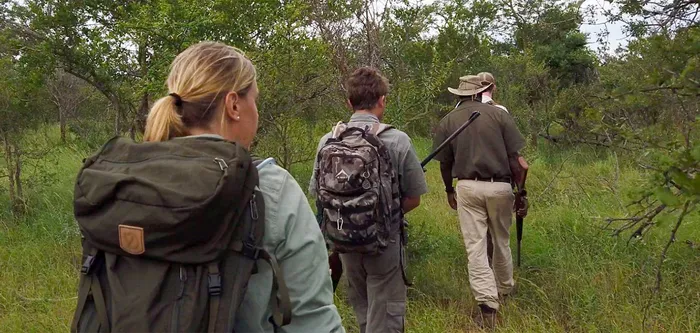
Safari Packliste: Ausrüstung, Rucksack & Must-Haves für Afrika
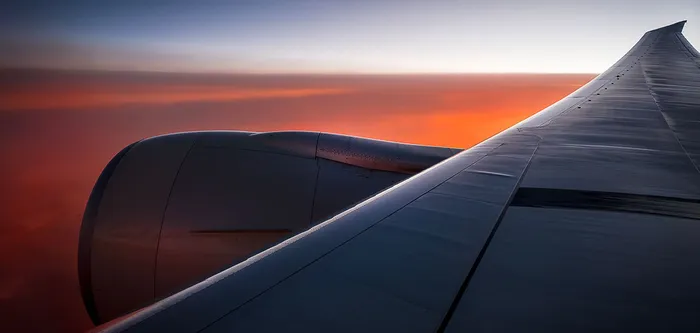
Travel hacks: How to find cheap flights (+ best search engines)
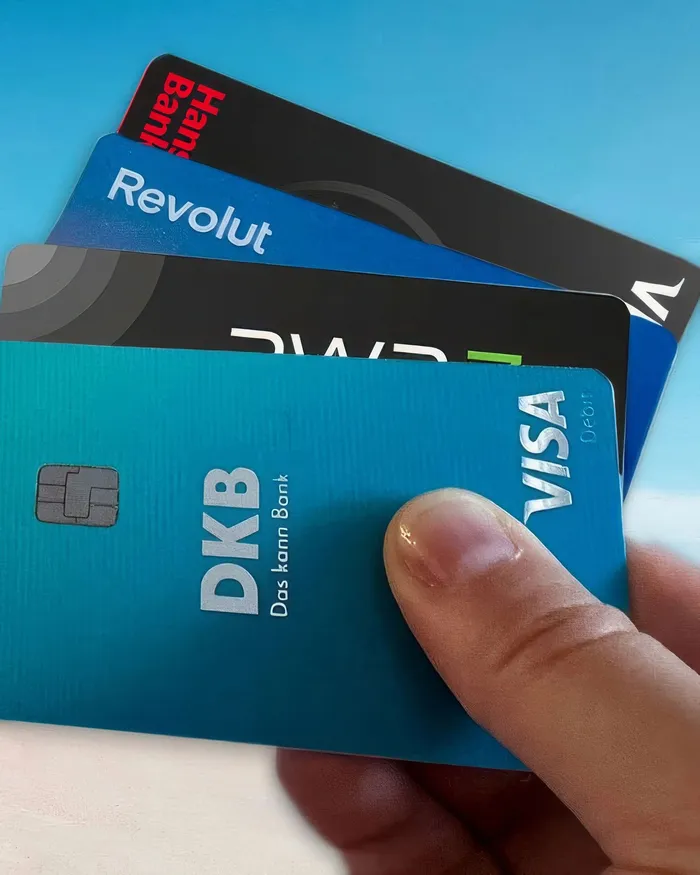
Die besten Reisekreditkarten – Vergleich mit Tipps
Useful links: my recommendations, this is where I book
If you book your trips or gear via my links, I receive a small commission. That’s how you can help me finance this travel blog (tech & hosting). Thank you for your support and for being part of my community. Thank you so much!