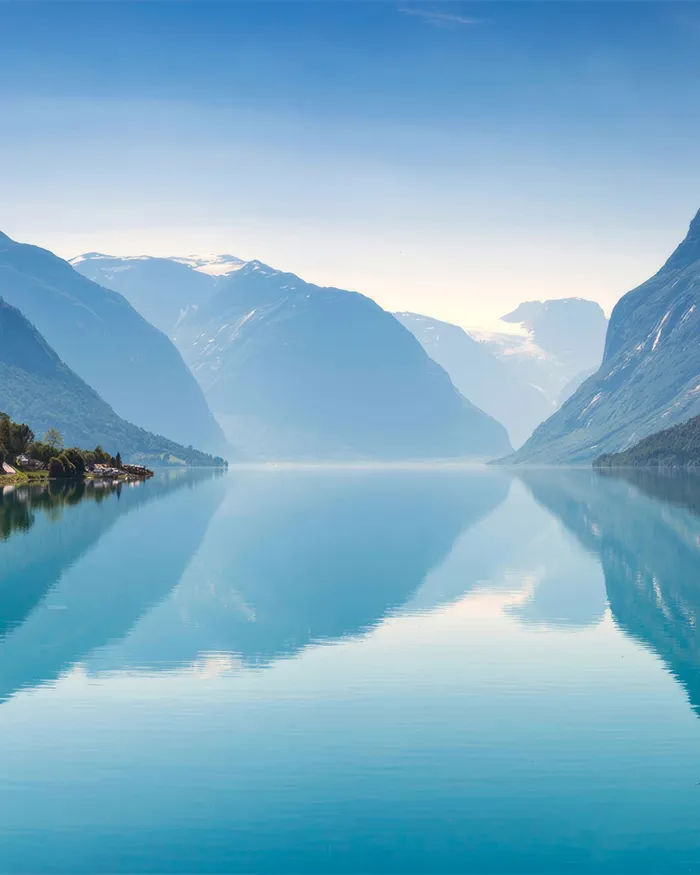
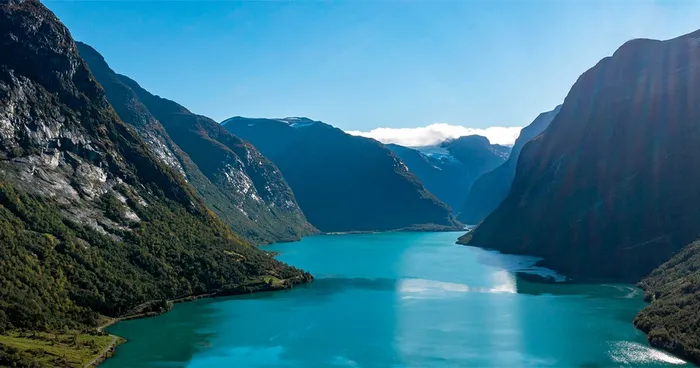
Fjords, coastal roads and wild nature: Norway thrills me with its spectacular landscapes
Norway is more than the Geirangerfjord, the Lofoten Islands and the North Cape. Between deep fjords, snow-capped mountains, spectacular scenic roads and charming coastal towns, one of the most beautiful destinations in Europe is waiting for you. I've explored Norway on several trips: by car and campervan, on road trips and on hikes through some of the most impressive landscapes on the continent.
Many people mainly associate Norway with its famous fjords. But I also love the winding National Tourist Routes, the colourful wooden houses on the coast, the midnight sun in the north and the countless ways to be active in nature. Whether it's the Lofoten Islands, Senja, the Geirangerfjord or the Atlantic Road, every region has its own character.
For me, Norway is one of the best countries for independent road trips. The infrastructure is excellent, nature often starts right on your doorstep and a new panorama waits behind every bend. With a bit of planning, you can put together a route that suits your interests perfectly, whether it's a road trip, a hiking trip or a mix of cities and nature.
In my travel guides you'll find personal experiences, honest recommendations and practical tips for planning your trip. I share my best experiences, but also things I would do differently today. That includes the best time to travel, route ideas, places to stay and practical tips for planning your budget.
This page brings together all my Norway experiences: from the best-known highlights to places many travellers don't have on their radar yet.
Start planning your trip to Norway here:
Norway by campervan tips Places to visit in Norway Oslo guide Bergen highlights Tips for the Lofoten Islands North Cape by campervan

Katrin Lehr
Reisebloggerin seit 2013
Hi, I'm Katrin. I've been travelling since 2013, to 69 countries so far, and I write down everything I've experienced and tried myself. Honest, independent and organised so you can plan your trip without endless searching.
- For me one of the most beautiful countries in Europe, with fjords, the Lofoten Islands and Northern Norway
- Svalbard is something very special, especially because of the polar bears
- Favourite places: Vardø and Grense Jakobselv. At the North Cape, the journey is the destination
Norway map
Loads OpenStreetMap (transfers data such as your IP address). Privacy policy
19 places from my travel guides
Best time to visit Norway
The best time to visit Norway is June to August: long days, mild weather of usually 15 to 22 °C and the midnight sun in the north. But this is also high season. July is the most expensive and busiest month, especially at Trolltunga, Preikestolen, on the Lofoten Islands or at the Geirangerfjord.
May and September are my personal insider tips. The weather is often still good, there are fewer people around, and accommodation and ferries are usually cheaper. For a road trip through the fjords, I find these months ideal.
October to March belongs to snow and the northern lights. You can see the aurora from September, best in Tromsø, on the Lofoten Islands or further north. Around Skjervøy you can even snorkel with orcas from November to January. In winter, though, many roads and hikes are restricted.
You can find out when the Lofoten Islands are most worth it in my article on the best time to visit the Lofoten Islands. Cities like Oslo, Bergen or Trondheim are worth visiting all year round.
LegendBest time to visitGood time to visitLess suitable time
Norway climate table
Temperature:below 10 °C10–16 °C17–23 °C24–29 °C30 °C and above
Rainy days = days with at least 1 mm of rain. Average 2016–2025 · Data: Open-Meteo (ERA5 reanalysis)
All Norway travel guides
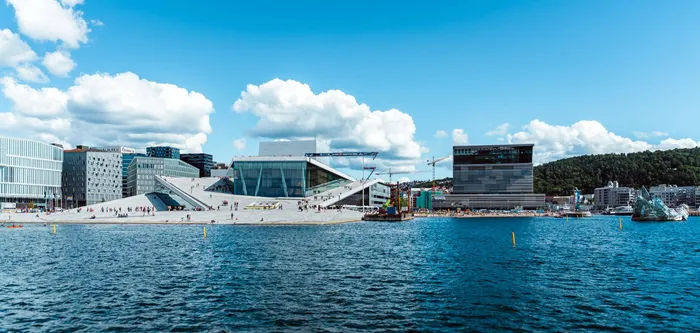
Oslo Sehenswürdigkeiten: Meine Highlights für Oslo
Erfahrungsbericht Oslo Pass: Lohnt sich die City Card zum Sightseeing?
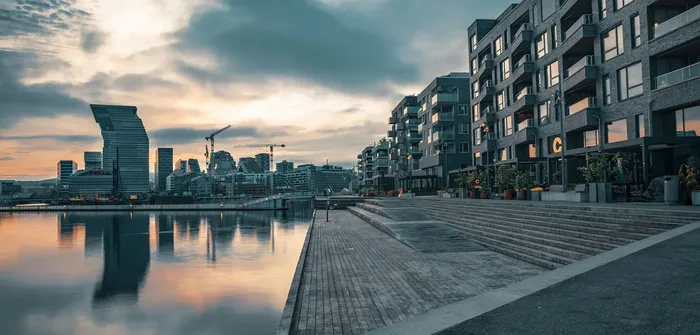
Oslo Reiseblog: Reiseberichte, Highlights und Tipps für deine nächste Oslo Städtereise
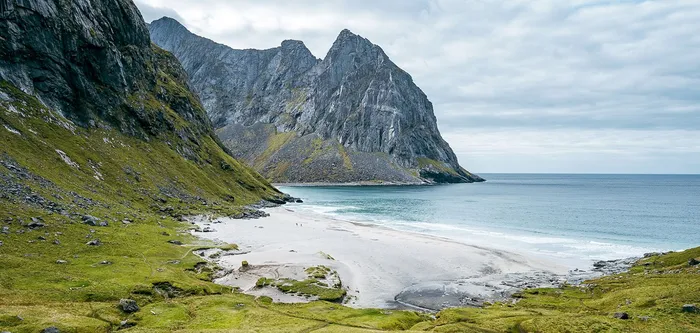
Wanderung zur Kvalvika Bucht: Tipps & Routen
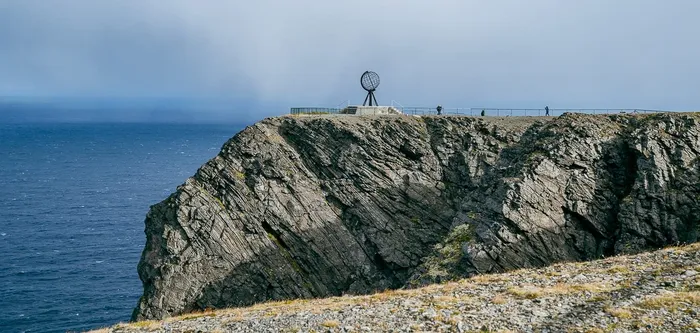
Norwegen mit dem Wohnmobil: Meine besten Camping-Tipps, Tricks und Erfahrungen zum Urlaub
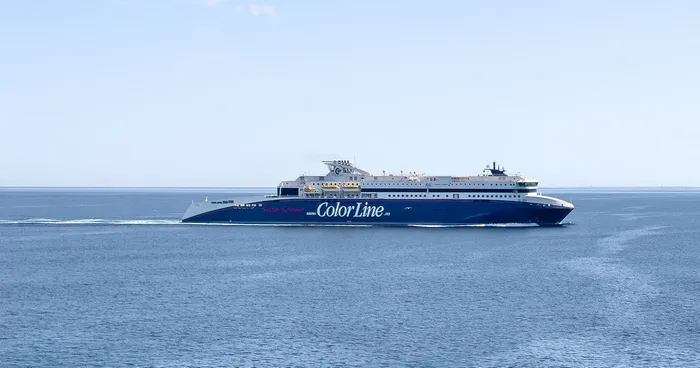
Fähren nach Norwegen mit dem Wohnmobil oder Auto
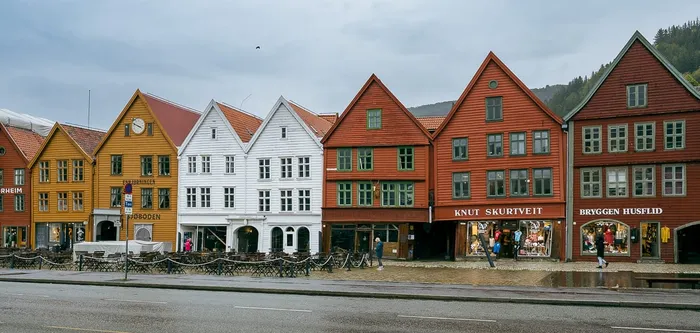
Bergen in Norwegen: Sehenswürdigkeiten & Highlights
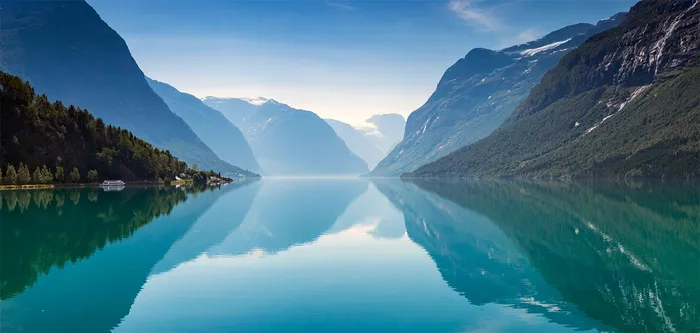
Norwegen Reiseblog: Reiseberichte, Highlights & persönliche Tipps
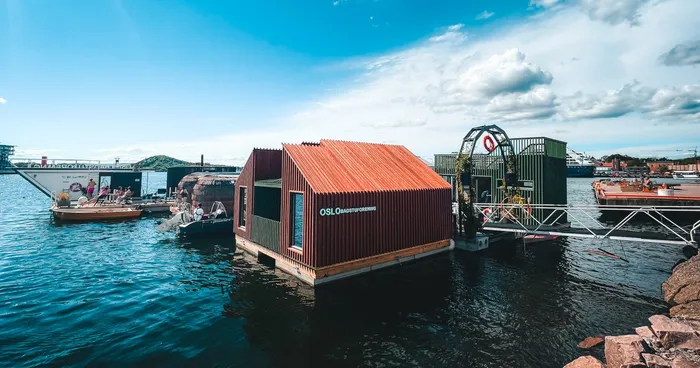
Oslo Geheimtipps: Meine Insider-Tipps für Oslo
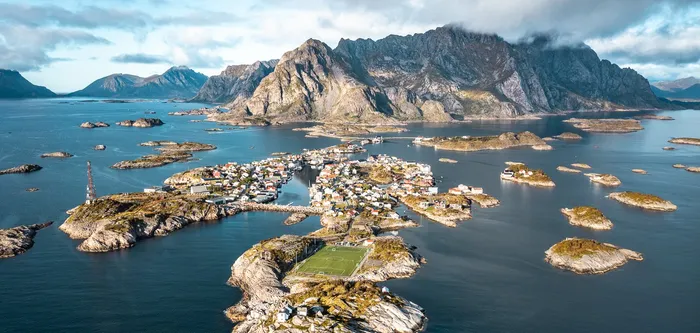
Faszination Lofoten: Reisebericht für 10 Tage Roadtrip von Nord nach Süd
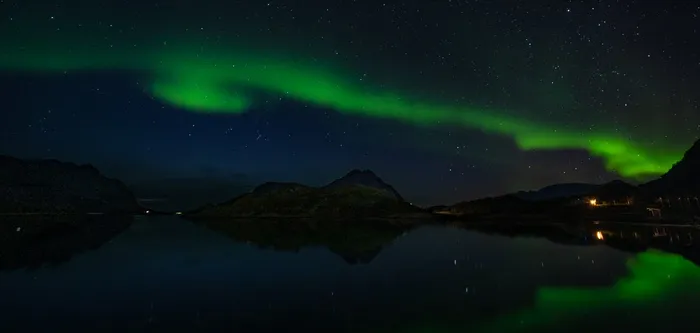
Beste Reisezeit für die Lofoten: Tipps & Erlebnisse für jede Jahreszeit

Essen in Oslo – Unser Oslo Food-Guide zum Städtetrip!
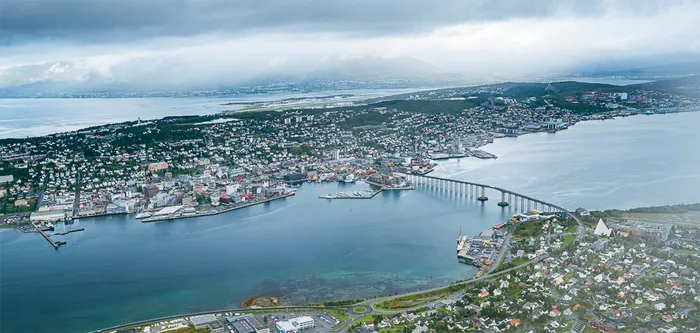
Tromsø an einem Tag: Route, Sehenswürdigkeiten & persönliche Tipps

Arktis: Spitzbergen, Eisbären und eine unfassbare Natur
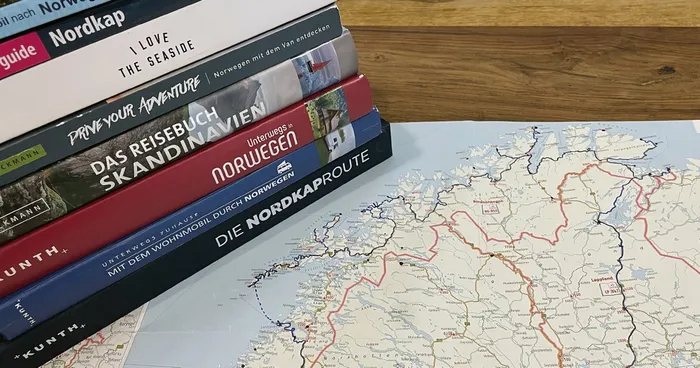
Norwegen Reiseführer, Bücher, App und Links zur Reisevorbereitung
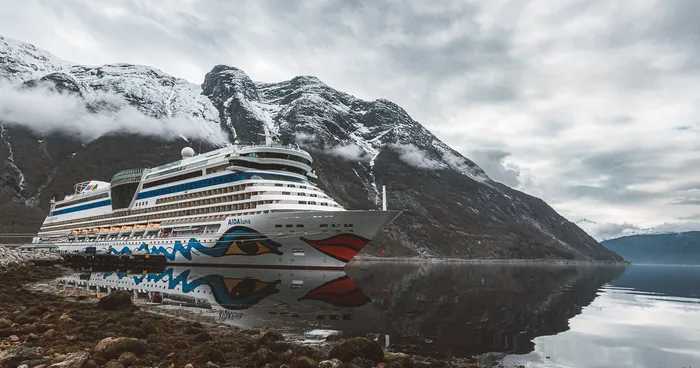
AIDA Norwegen Erfahrungen: Welche Ausflüge lohnen sich – und warum ich heute davon abrate
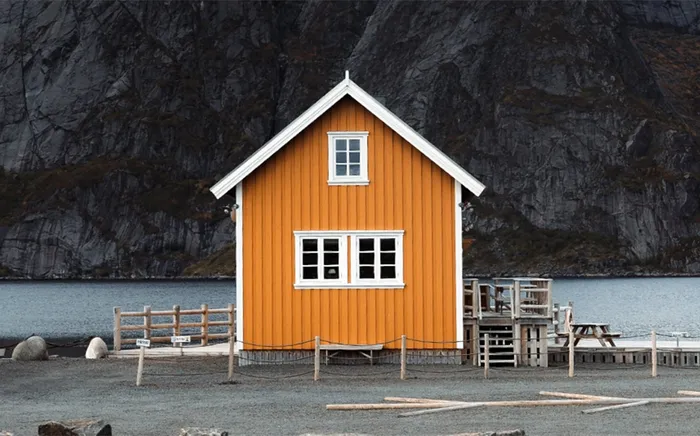
Lofoten Norwegen: Alles, was du wissen musst (unser ultimativer Reiseführer)
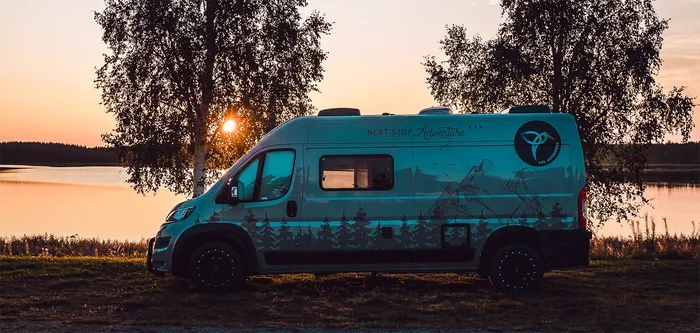
Nordkap mit Wohnmobil alleine als Frau: Mein Reisebericht mit Tipps & Route
There is no article for this selection yet.
Top places to visit in Norway
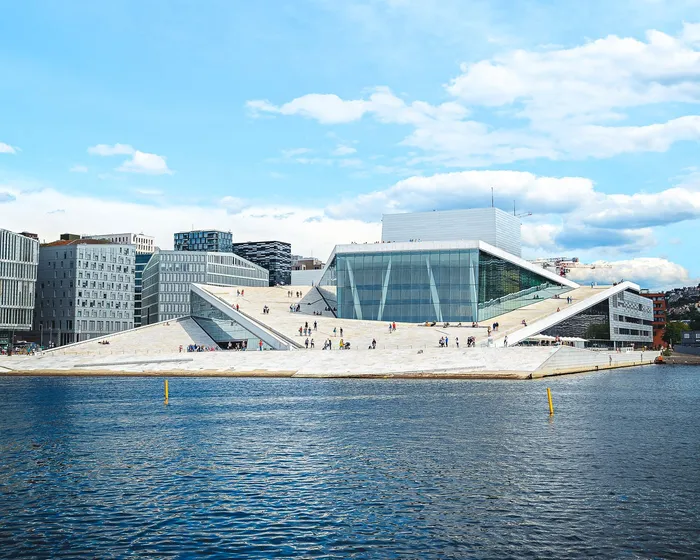
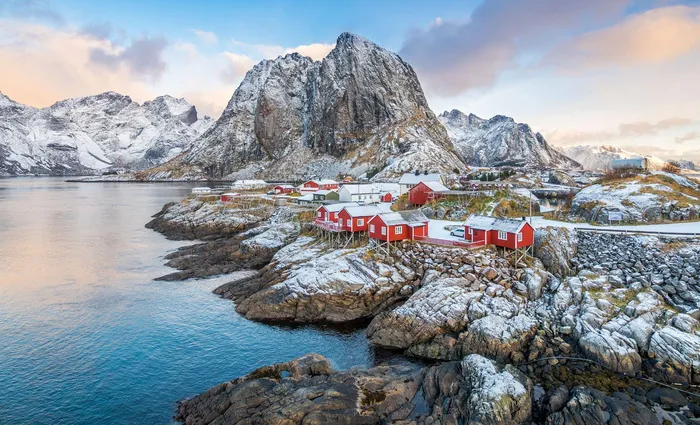
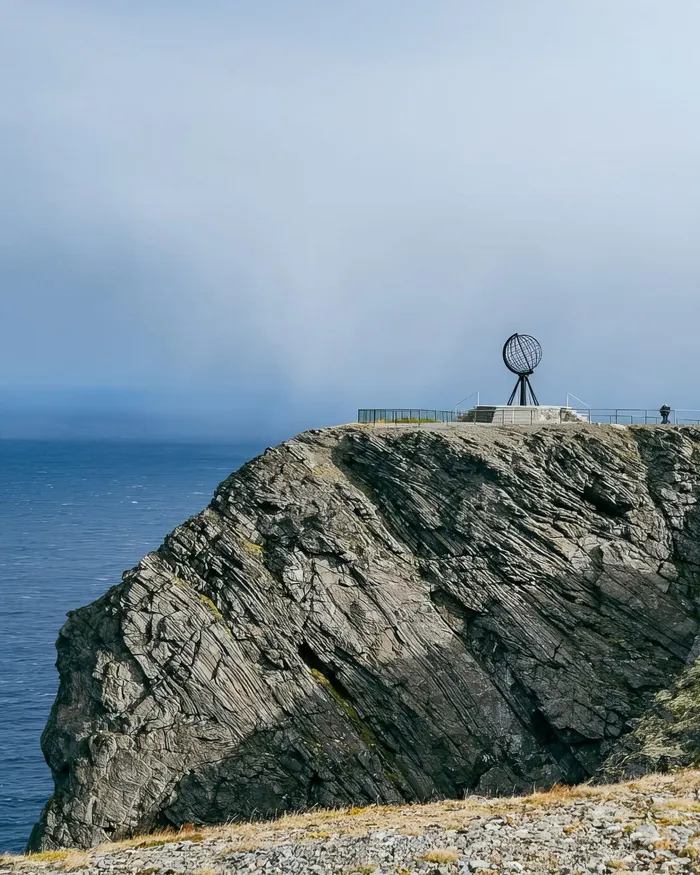
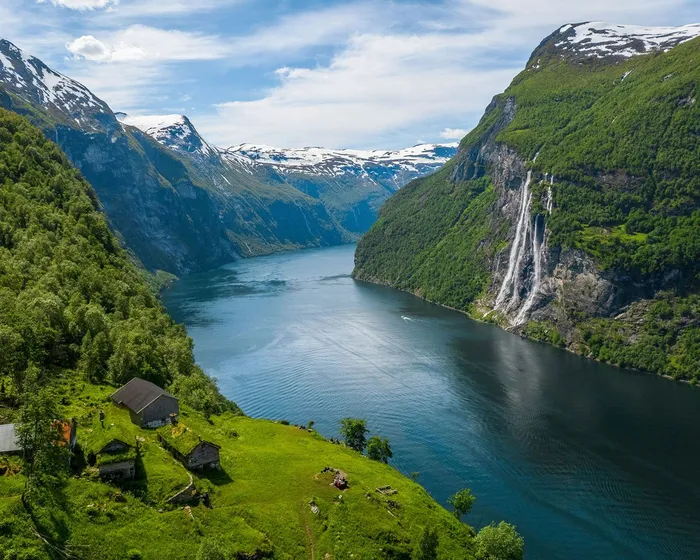
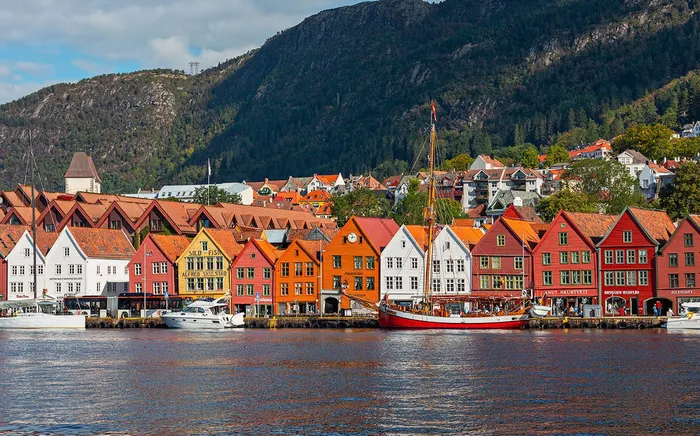
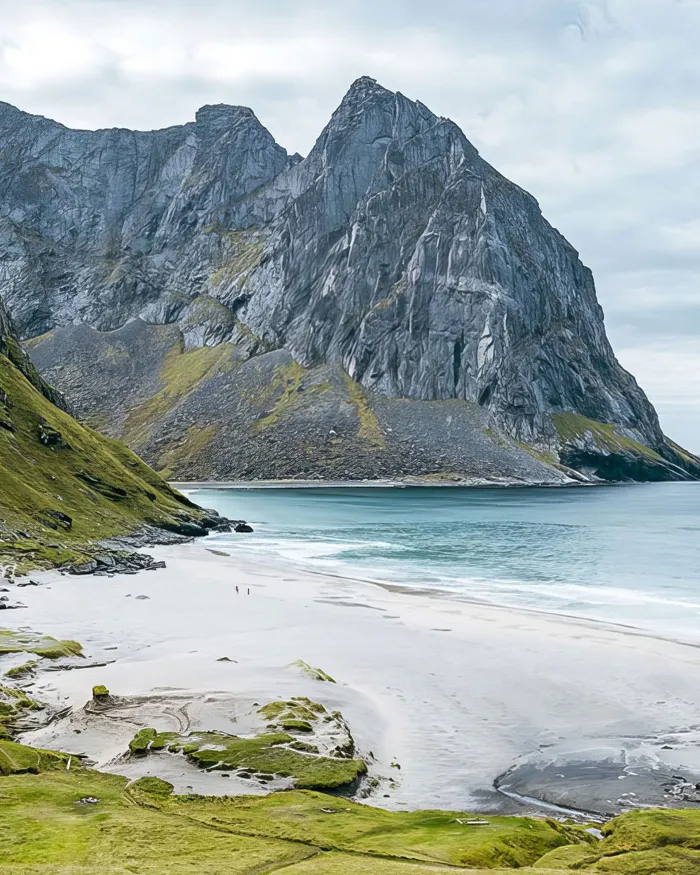
Cities and regions in Norway
 OsloReiseberichte, Highlights und Tipps für deine nächste Oslo Städtereise
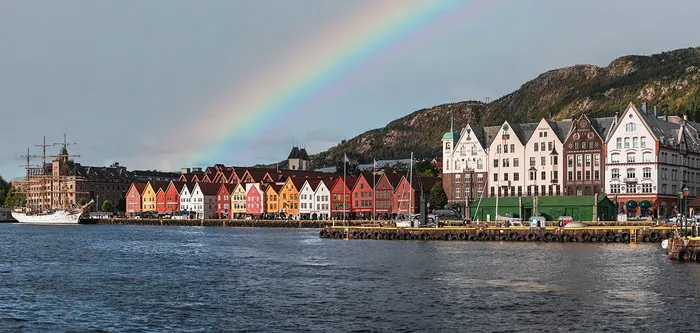 BergenSehenswürdigkeiten & Highlights
- TromsøRoute, Sehenswürdigkeiten & persönliche Tipps
- LofotenAlles, was du wissen musst (unser ultimativer Reiseführer)
- SvalbardSpitzbergen, Eisbären und eine unfassbare Natur
Norway is divided into these regions (from south to north): Sørlandet, Østlandet, Vestlandet, Trøndelag, Nord-Norge and Svalbard. I’ve written separate travel guides about the Lofoten Islands and Svalbard, which you’ll find above under cities and regions.
Norway itineraries (1 to 3 weeks)
- 10days10 days on the Lofoten IslandsFaszination Lofoten: Reisebericht für 10 Tage Roadtrip von Nord nach Süd
- To the North Cape (my road trip)Nordkap mit Wohnmobil alleine als Frau: Mein Reisebericht mit Tipps & Route
How to plan your trip to Norway
Many people feel overwhelmed when planning a Norway road trip: too many options, too diverse a country, and often limited time. That’s why I’ve summarised the most important things here.
Norway is known as the land of fjords and trolls. It’s not a cliché: you’ll come across these little creatures everywhere, as giant sculptures, in stories and as souvenirs.
The fjords are indescribably beautiful. When the view is clear, you can see the full scale of these huge gorges. Sensational.
Is Norway worth visiting?
Norway is the ideal destination for nature lovers and road trip fans. But be careful: the country is big, much bigger than most travellers think. If you don’t have more than a month, focus on one region.
Norway is famous for its fjords: the Geirangerfjord, Sognefjord, Hardangerfjord, Lysefjord and Nærøyfjord (a branch of the Sognefjord and a UNESCO World Heritage Site). There are more UNESCO World Heritage Sites too: Bryggen, the old town of Bergen, Urnes Stave Church, Vemork, the Struve Geodetic Arc, the Alta Museum and the Vega Archipelago.
My scenic highlights: the Lofoten Islands, the island of Senja and above all Svalbard.
How much time do you need for a Norway road trip?
Norway is huge, and there are no motorways. The main roads are often like a country road, sometimes a two-lane main road. The speed limit is usually 70 to 80 km/h.
In summer, long traffic jams build up in Fjord Norway and on the Lofoten Islands. Add roadworks with traffic lights and you can end up waiting 2 to 3 hours. Not fun.
My advice for a 2 to 3-week trip: choose one region. For the fjords, I recommend the ferry from Hirtshals to Bergen and exploring the fjords from there. For the Lofoten Islands and Northern Norway, the faster option is the E10 through Sweden to Narvik.
Want to go to the North Cape? Then read about my road trip. The same applies here: rushing to the North Cape in just 2 weeks isn’t worth it. It’s only one place, and not even the real northernmost point of Norway. Think it over carefully.
Entry and visa
Norway isn’t part of the EU, but it is part of the Schengen area. EU citizens don’t need a visa and can enter with an ID card or passport. Travellers from the UK and the US need a passport and can stay visa-free for up to 90 days within 180 days in the Schengen area. Children need their own travel document. The document must be valid for the whole trip. There are border controls on Svalbard. You can find out what you’re allowed to bring in terms of alcohol, food and pets further down under import rules.
Getting there
By ferry with a car or campervan
For campervan travellers, the ferry is the most comfortable option: fall asleep, wake up, almost in Norway. The most important routes from Denmark and Germany:
- Hirtshals → Kristiansand: approx. 2.5 hrs, the shortest crossing, ideal for a road trip through all of Norway (Fjord Line)
- Hirtshals → Stavanger: approx. 10 hrs, good for southwest Norway and the fjord region (Fjord Line)
- Hirtshals → Bergen: approx. 16.5 hrs, perfect for the coast and Fjord Norway (Fjord Line)
- Hirtshals → Larvik: approx. 3.45 hrs, a quick option for eastern Norway and the Oslo area (Fjord Line and Color Line)
- Hirtshals → Langesund: approx. 4.5 hrs, an alternative to Larvik
- Kiel → Oslo: approx. 20 hrs, ideal for a tour through southern Norway
I compare and book departure times and prices on Direct Ferries. Book early: popular crossings sell out quickly, especially in summer, and are cheaper the earlier you book.
You’ll find all the information about getting there and the pros and cons of ferry vs. overland in my article Norway by campervan tips.
We booked our ferry tickets in advance through Direct Ferries and I was very happy with it.
Especially in summer: book early. You’ll get a better price and won’t risk the ferry being fully booked.
Overland by car through Denmark and Sweden
If you’d rather not take a ferry, you drive through Denmark and Sweden. You cross the Great Belt Bridge (Storebæltsbroen) and the Øresund Bridge to Malmö, then continue via Gothenburg to Norway. The combined ticket for both bridges costs around €150 for campervans up to 10 m.
You’ll find all the details on costs and route choice in my Norway by campervan tips.
By plane
For short trips to Oslo, Tromsø (in winter for the northern lights), Bergen or Trondheim, flying is worth it. If you’re planning a campervan trip in Northern Norway and only have 2 weeks, it’s better to fly to Narvik or Tromsø and rent a vehicle there.
By train or bus to Norway
If you have time and want to travel sustainably, you can also get to Norway by train. From Germany via Copenhagen to Oslo takes at least 16 hours, so I only recommend it if you have enough time or are a railway fan. You can book tickets on bahn.de or on the Norwegian railway website vy.no.
Flixbus is cheaper and more direct: from Hamburg to Oslo the journey takes around 14 hours, from about €55 if you book early, a solid option for small budgets. You’ll find all connections on flixbus.de.
Getting around Norway by car or campervan
For a city trip to Oslo, Bergen or Tromsø you don’t need a car, public transport is good. For a road trip through the fjords, to the Lofoten Islands or to the North Cape, however, your own vehicle is essential. No bus goes where Norway is really beautiful.
Renting a car? Here's how I do it
I usually search on Discover Cars or Booking.com Cars and compare prices with Sunny Cars, my go-to for most countries.
Tips for booking a rental car Can you rent a car without a credit card?
If you don’t have your own campervan: it’s best to rent one before you arrive (I’d rent in Germany, for example) rather than in Norway. The choice there is small and prices are much higher, expect around €100 per day. You’ll get a good overview of providers and prices at Camperdays, or alternatively at Roadsurfer or TUICamper.
To rent a vehicle, you need a valid driving licence and a credit card in the driver’s name, and you usually have to be at least 21 years old. Campervans over 3.5 t also need an AutoPASS tag, and as the renter you are responsible for it yourself.
Driving & tolls in Norway
Fees for ferries, bridges and tunnels
Newly built bridges and tunnels in Norway charge tolls until they’re paid off. On top of that, there are city tolls in Oslo, Bergen, Trondheim and other cities. The system is fully electronic: your number plate is captured automatically by camera and the invoice arrives by post.
Without registration, billing runs through Epass24, but since May 2025 with an extra fee of €5.10 per invoice. You avoid it if you register with Epass24 for free in advance and add a credit card.
If you’re travelling for longer, an AutoPASS tag (brikke) is worth it: around 20 % off all tolls, plus a monthly cap. Order it from AutoSync or Flyt and plan at least 2 weeks ahead.
For ferries within Norway: with AutoPASS for ferje you save up to 50 % on almost all domestic ferries. That pays off considerably on a longer trip.
I’ve summarised all the details on the toll system, tag tips and ferry discounts in my Norway by campervan tips.
Taking ferries in Norway
Depending on the region, you’ll take several ferries on some days. Don’t worry, it sounds more complicated than it is.
Spontaneous or booked?
In Fjord Norway I hardly paid attention to departure times. The ferries simply shuttle from shore to shore, and there was almost always room for campervans. In high season, though, I recommend booking in advance, just to be safe.
It’s different on certain routes:
- Andenes ↔ Senja: This ferry only runs until mid-September. I missed the last one by 2 days and had to take a long detour, so check before you go!
- Geirangerfjord: In summer, definitely reserve tickets early. I only travelled after the Scandinavian summer holidays and could drive on spontaneously, with only 2 other campervans on board.
- Bodø → Lofoten (Moskenes): Definitely book ahead in summer.
- Ferries to Senja (from Sommarøy): Very popular in summer, sometimes you have to wait for several ferries.
Exceptions: reserve early here
- Geirangerfjord ferry: Reserve your ticket early in summer.
- Bodø → Moskenes (Lofoten): Definitely book ahead in summer.
- Senja ferries: In summer you often have to wait for several ferries. Also, the ferry from Senja to Andenes only runs until mid-September. I missed it by 2 days and had to take a long detour.
On Norwegian ferries you can stay seated in your campervan. Sometimes there’s a small restaurant or at least coffee machines. Don’t forget to turn off the gas, cooking on board isn’t allowed. Most crossings only take 15 to 20 minutes.
Payment & discount
Your number plate is photographed and the vehicle length is estimated automatically, which isn’t always right. On my invoices the same vehicle was listed as “0–6 metres” one time and “6.01–8 metres” another time. A tip I got from Norwegians: put the vehicle length on the side of the driver’s door so it’s recorded correctly.
The invoice comes by post, or you sign up in advance with AutoPASS for ferje, pay an amount into your account and get up to 50 % off almost all domestic ferries. That’s not only cheaper but also much more convenient.
On board
On most short ferries (15 to 20 min.) you can stay seated in your campervan. You have to switch off the engine, that applies on all ferries. There are toilets, and often a coffee machine or a small restaurant on board.
On short crossings you don’t necessarily have to turn off the gas. It’s different on long ferries such as Bodø → Moskenes (Lofoten, approx. 3.5 hrs): you have to leave the vehicle there, so turn off the gas to be safe before you drive on board.
Where to stay in Norway
Norway offers a wide range: from campsites and campervan pitches to rustic self-catering cabins (hytter) and modern hotels in the cities.
Campsites are often in dreamlike locations, right on a fjord, by a lake or with a view of the mountains. In high season (July/August) popular sites fill up quickly, especially on the Lofoten Islands, so it’s worth booking early. If you’re looking for more peace and quiet, go for campervan pitches, often free or €5 to €15 per night. The right to roam also allows 1 night free in car parks in nature, unless a ban is signposted.
You’ll find all the details on camping, pitches and service points in my Norway by campervan tips.
For city trips to Oslo, Bergen or Tromsø: book early to get good prices. Hotels fill up quickly, especially in high season and around 17 May (National Day). I compare hotels on Booking.com.
Hytter (holiday cabins) are a particularly authentic option: simply furnished, often in a dreamlike location. Many campsites rent them out directly, otherwise you can find them on Airbnb or Finn.no.
Looking for a hotel?
I usually find my hotels on Booking.com or Expedia.
Where is Norway?
Norway is in northern Europe. To the south it borders Denmark (separated by the North Sea), to the east Sweden, and to the northeast Finland and Russia. It lies between the Norwegian Sea, the Arctic Ocean and the Skagerrak. In the far north it borders the Barents Sea.
Norway is one of the most beautiful, and most expensive, countries in Europe.
Language in Norway: is English enough?
People in Norway speak Norwegian, which is very similar to Swedish and Danish. Almost all Norwegians speak excellent English.
Before my trip I learned the most important Norwegian words with Babbel, which is handy for understanding road signs along the way.
How safe is Norway?
Many readers asked me whether it wasn’t brave to travel through Norway alone in a campervan for 2 months. I think hardly any country in Europe is safer than Norway. A high standard of living and a low crime rate, even in the cities.
The only factor: the driving style of some Norwegians. Overtaking before blind bends, driving 20 to 30 km/h over the limit. Quite hard to understand in a country with such extreme speeding fines.
Import rules for Norway
Alcohol, tobacco and food
Alcohol and tobacco are expensive in Norway, so the import rules are strict, and there are checks especially when you arrive by ferry.
The app or the toll.no website shows exactly how much beer, wine, spirits and tobacco you’re allowed per person. If you don’t bring any tobacco, you can swap the allowance for wine or beer, and the calculator on the website helps with that.
Importing potatoes without a special permit is prohibited.
Entering with dogs
Special rules apply to dogs. You’ll find all the details here at Mattilsynet.
Food and drink
Norwegian cuisine is dominated by fish dishes. Norwegians often catch their own fish, and if you drive through the country, you’ll understand why.
Fish burgers are everywhere in Norway, even in supermarkets. My best experience: at Anita’s Sjømat in Sommarøy near the Lofoten Islands, from their own catch and very fresh.
You can get cinnamon buns (kanelboller) everywhere. I had the best ones at the Unstad Arctic Surf Café on the Lofoten Islands.
Culinarily, Norway isn’t one of Europe’s highlights. You’ll find pizza and kebab even in the smallest village. I mostly cooked for myself, the biggest advantage of a campervan.
You can buy alcohol in normal supermarkets (up to a certain strength). Wine and spirits are only sold at the Vinmonopolet.
Money & payment
Nothing works without a credit card: In Norway you pay for almost everything by card, and you only rarely need cash. On my campervan road trip I only needed cash 2 or 3 times: at a few pitches in marinas and on the Lofoten Islands for private hiking trails or privately owned pitches, where I put money in an envelope. Euros were accepted there too.
You need coins at some campsites for showers, washing machines and dryers, and you get them at check-in.
Fact: No country in Europe uses banknotes less than Norway. Transfers and everyday payments run through the app Vipps, which unfortunately isn’t available to foreigners. Everything else is paid by credit card.
Norwegian krone (NOK): as a rough rule I calculate 10 NOK = €1. For the exact rate, I recommend the apps Currency (Apple) or Easy Currency (Android).
Tipping: Nobody in Norway expects a tip. If you were exceptionally happy, you can give one, but you don’t have to. Staff are sometimes confused when foreigners type a tip into the card reader.
Best travel credit card for Norway
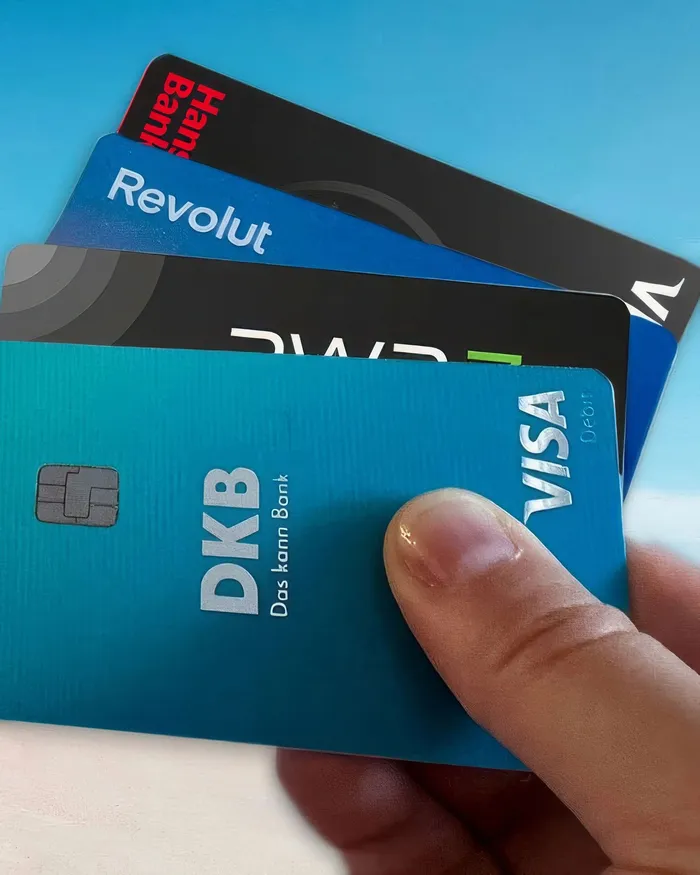
In 2026 the best free credit cards for travel (for German residents) are the DKB debit card, the TF Bank Mastercard Gold and the Hanseatic Bank Genial Card. Wherever you’re from, take at least 2 cards without foreign transaction fees, so you can always withdraw cash and pay for free in Norway. Especially when filling up (at unstaffed petrol stations), one card might not work.
Packing list for Norway
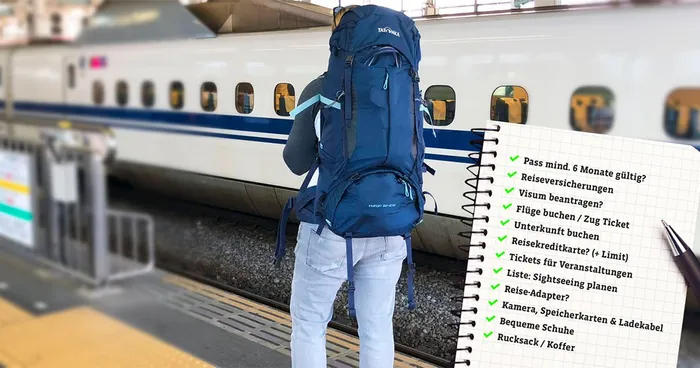
For my road trip to the North Cape and back along the coast, I had the following things with me in addition to the usual basic campervan equipment. For clothing: layers, the weather can change quickly even in summer.
- Hiking backpack: Tatonka Hike Pack 27, light and very comfortable to carry.
- Water bottle to refill on hikes
- Fleece or softshell jacket, rain jacket (or coat), rain trousers
- Hiking shoes and/or high hiking boots
I can recommend these guidebooks. Please make sure to buy only from established publishers. AI-generated guidebooks are flooding the market and often contain wrong information.
Fähren nach Norwegen mit dem Wohnmobil oder Auto
Hier findest du alle wichtigen Fährverbindungen nach Norwegen – von der direkten Route ab Deutschland über Kiel bis zu den schnellen Überfahrten ab Dänemark. Ich selbst bin mit dem Wohnmobil von Hirtshals nach Kristiansand übergesetzt und zeige dir, welche Route für dich passt – je nachdem, wo du startest und wohin du in Norwegen möchtest.
Travel hacks: How to find cheap flights (+ best search engines)
Travel Packing List: Checklist for 1 Week, 10 Days & 3 Weeks
Die besten Reisekreditkarten – Vergleich mit Tipps
Useful links: my recommendations, this is where I book
If you book your trips or gear via my links, I receive a small commission. That’s how you can help me finance this travel blog (tech & hosting). Thank you for your support and for being part of my community. Thank you so much!