Our experiences and travel guides for Japan
Japan had always tempted us, and since we've been there, we keep wanting to go back. The country, the culture, the people, the cities, the nature and above all Japanese food are amazing! Japan is so different and yet somehow familiar.
Here you'll find all the information and tips for planning your trip!
For detailed information and tips, read our travel guides. Have fun planning your trip.

Katrin Lehr
Travel blogger since 2013
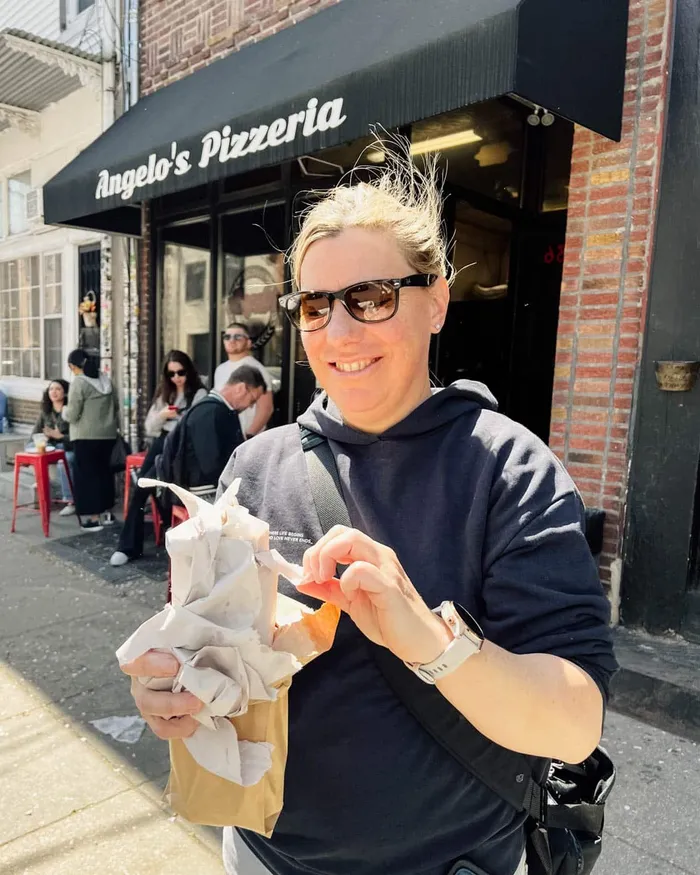
Hi, I'm Katrin. I've been travelling since 2013, to 69 countries so far, and I write down everything I've experienced and tried myself. Honest, independent and organised so you can plan your trip without endless searching.
- 4-week trip around Japan by Shinkansen with the Japan Rail Pass
- 2 years of learning Japanese (or at least trying)
Japan map
Best time to visit Japan
Spring and autumn are the best times to visit Japan. The cherry blossom in Tokyo, Kyoto and Osaka is usually from late March to early April, but that's also when it gets very busy.
The autumn leaves start to change colour in October. June is the rainy season, and July and August are hot and humid, but that's when many traditional festivals (matsuri) take place. For skiing in Hokkaido and the Japanese Alps, December to February is ideal.
You'll find more in my articles on the best time to visit Japan and the cherry blossom.
LegendBest time to visitGood time to visitLess suitable time
| Jan | Feb | Mar | Apr | May | Jun | Jul | Aug | Sep | Oct | Nov | Dec | |
|---|---|---|---|---|---|---|---|---|---|---|---|---|
| Best time to visit | Jan: less suitable | Feb: less suitable | Mar: best time to visit | Apr: best time to visit | May: best time to visit | Jun: less suitable | Jul: less suitable | Aug: less suitable | Sep: good | Oct: best time to visit | Nov: best time to visit | Dec: good |
| Cherry blossom | Jan: less suitable | Feb: less suitable | Mar: best time to visit | Apr: best time to visit | May: good | Jun: less suitable | Jul: less suitable | Aug: less suitable | Sep: less suitable | Oct: less suitable | Nov: less suitable | Dec: less suitable |
| Autumn leaves | Jan: less suitable | Feb: less suitable | Mar: less suitable | Apr: less suitable | May: less suitable | Jun: less suitable | Jul: less suitable | Aug: less suitable | Sep: less suitable | Oct: best time to visit | Nov: best time to visit | Dec: good |
| Winter | Jan: best time to visit | Feb: best time to visit | Mar: good | Apr: less suitable | May: less suitable | Jun: less suitable | Jul: less suitable | Aug: less suitable | Sep: less suitable | Oct: less suitable | Nov: less suitable | Dec: best time to visit |
| Hokkaido & skiing | Jan: best time to visit | Feb: best time to visit | Mar: good | Apr: less suitable | May: less suitable | Jun: less suitable | Jul: less suitable | Aug: less suitable | Sep: less suitable | Oct: less suitable | Nov: less suitable | Dec: best time to visit |
| Fewer tourists | Jan: best time to visit | Feb: best time to visit | Mar: less suitable | Apr: less suitable | May: less suitable | Jun: best time to visit | Jul: good | Aug: less suitable | Sep: good | Oct: good | Nov: less suitable | Dec: good |
Visited in:MarApr
Japan climate table
Temperature:below 0 °C0–9 °C10–16 °C17–23 °C24–29 °C30 °C and above
Rainy days = days with at least 1 mm of rain. Average 2016–2025
Top places to visit in Japan
Japan itineraries
All Japan travel guides
Nara in Japan: Sehenswürdigkeiten mit Tipps
Japanisches Essen: Typische Gerichte, die du auf in Japan probieren solltest
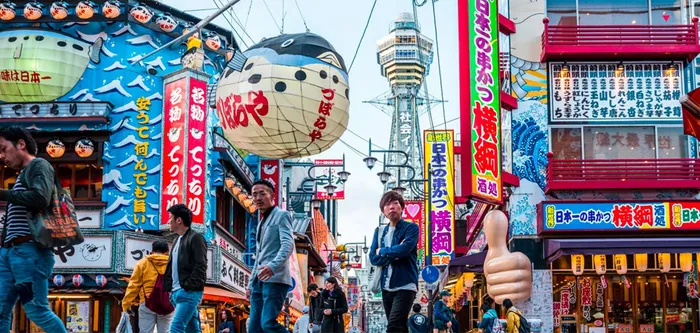
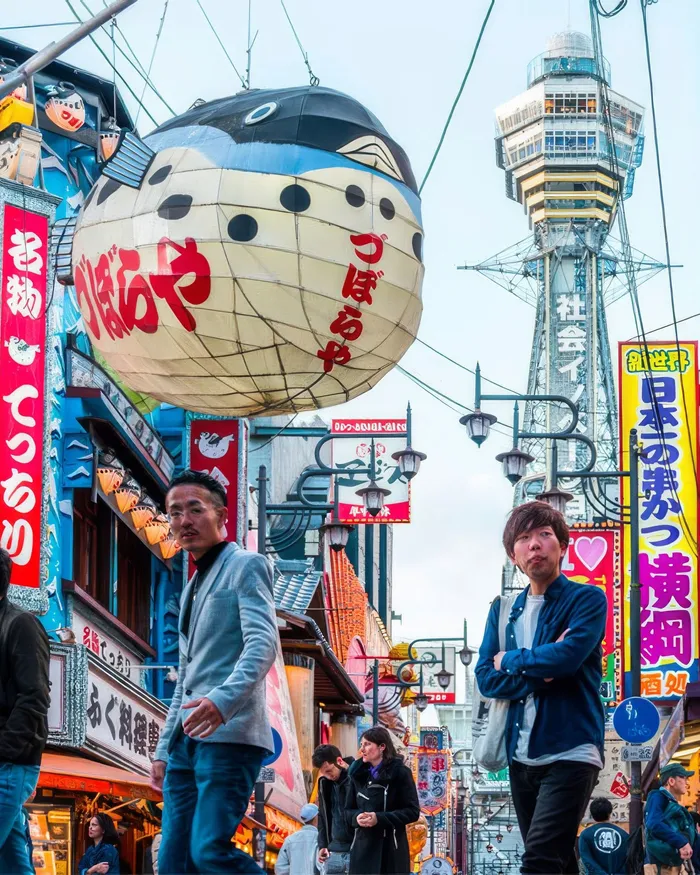
Osaka Sehenswürdigkeiten: Highlights in der „Küche Japans“
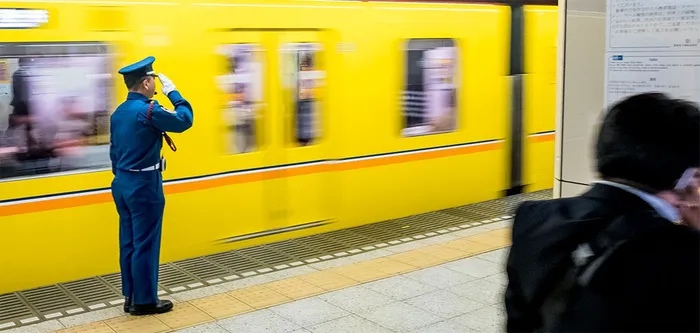
Japan Reise planen: Reisetipps für Japan auf eigene Faust
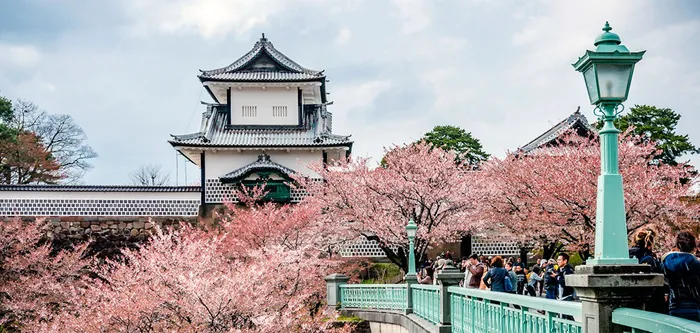
Japanische Kirschblüte Hanami Vorhersage und beste Reisezeit
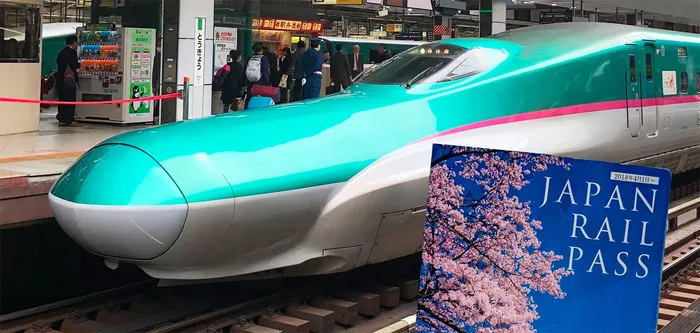
Erfahrungen & Kosten: Lohnt sich der Japan Rail Pass?
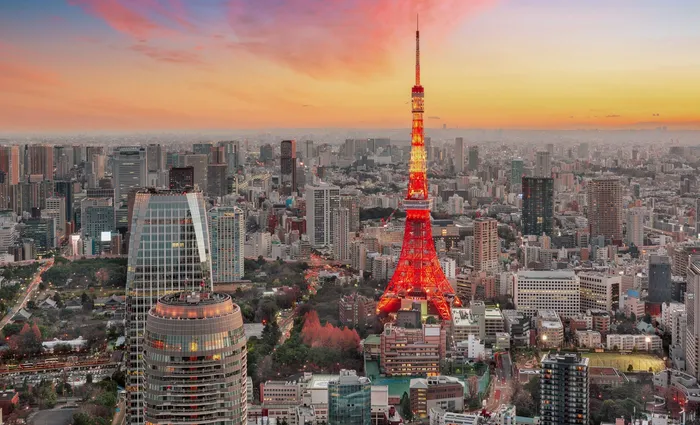
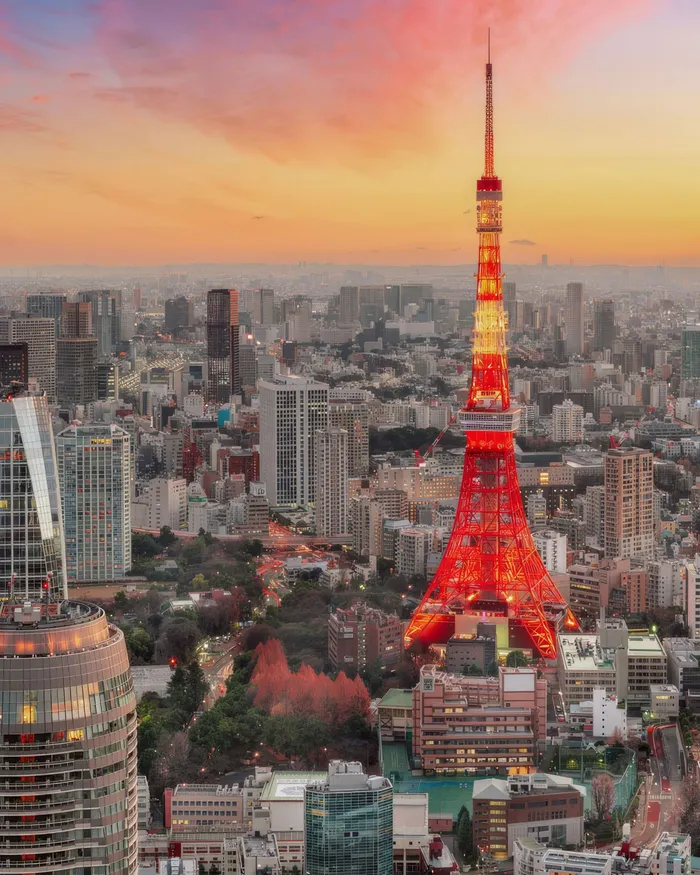
Einzigartiges Tokio: Sehenswürdigkeiten die in Japans Hauptstadt begeistern
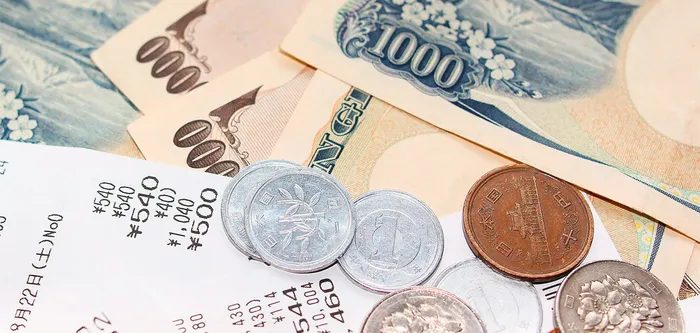
Japan: Was kosten 4 Wochen Urlaub? Tipps für deine Budgetplanung
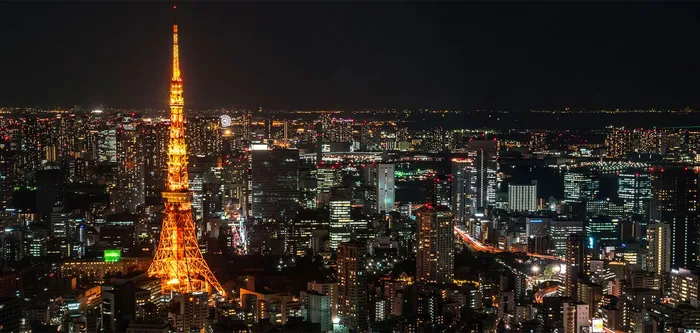
Die besten Tokio Reisetipps für Stadtteile mit Karte
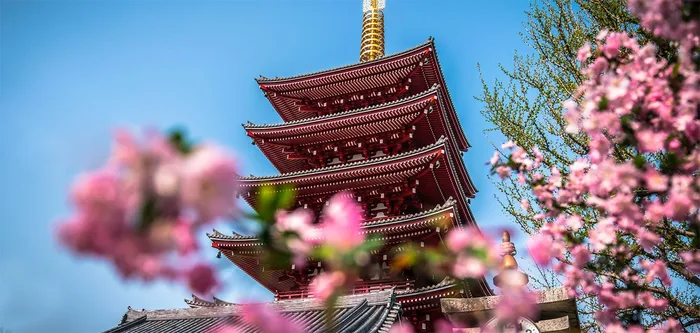
Beste Reisezeit Japan: Klima, Kirschblüte, Rundreisen & Tipps
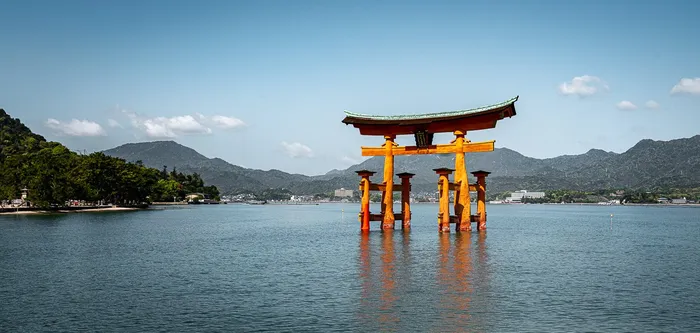
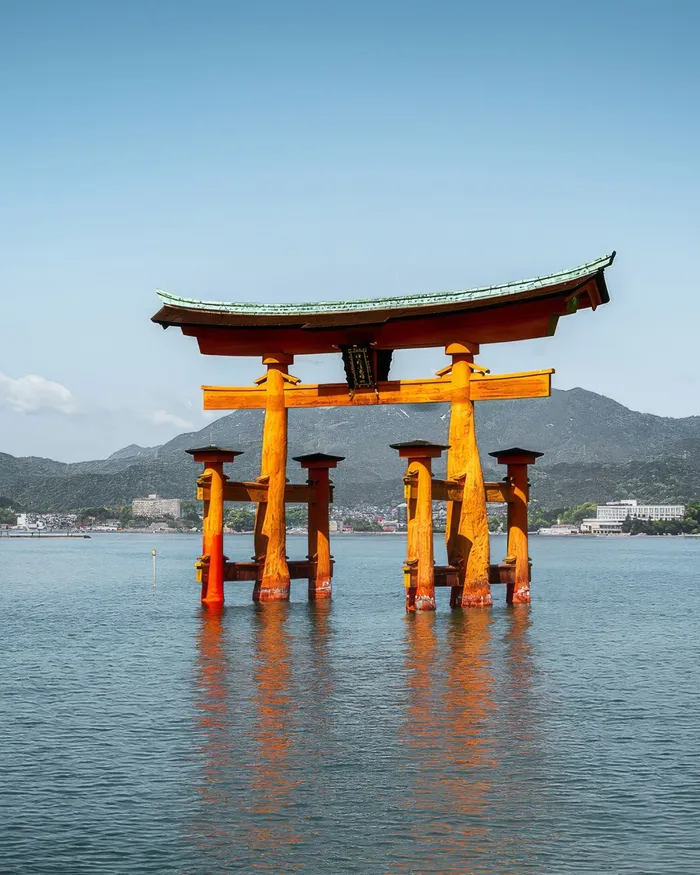
Miyajima Sehenswürdigkeiten: Tipps für eine der schönsten japanischen Inseln
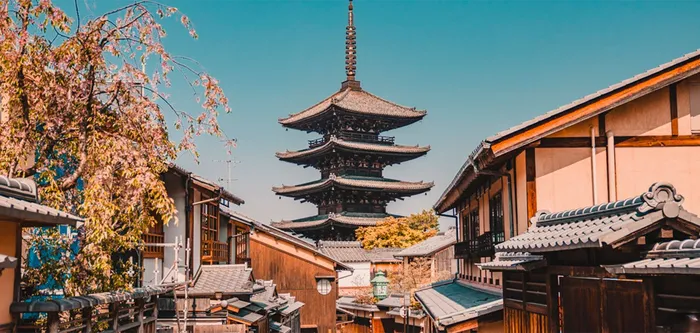
3 Wochen Japan Rundreise: Highlights, Reiseroute und Erfahrungen
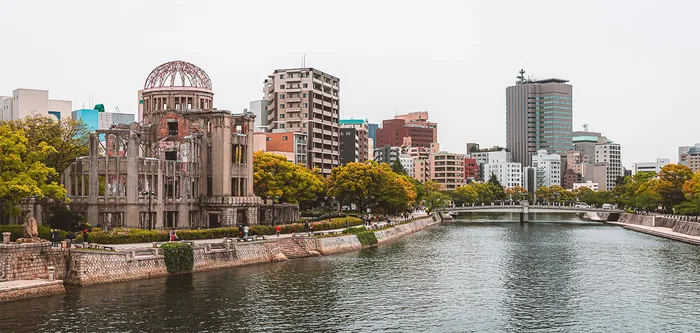
Hiroshima Sehenswürdigkeiten auf eigene Faust entdecken
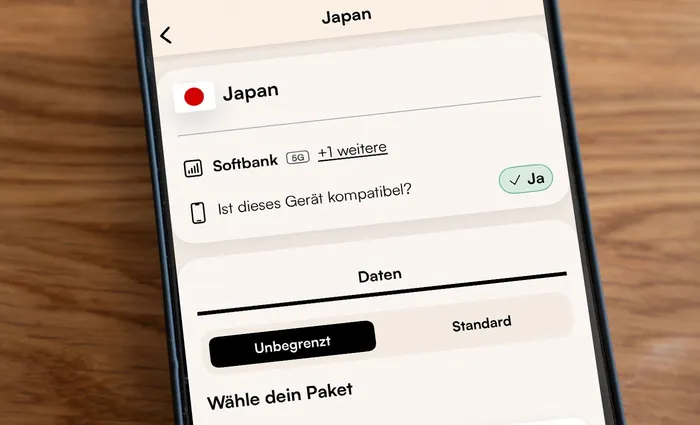
eSIM Japan für Japan kaufen: Meine Erfahrungen und Anbieter-Vergleich
Der Japan Knigge: 11 wichtige Benimmregeln für Japan
There is no article for this selection yet.
How to plan your trip to Japan
Here I’ve put together a few things that are useful for planning your trip.
Why visit Japan?
Japan is different, exciting and really thrills everyone! The trip is a big adventure: high tech wherever you look. From heated, talking toilet seats to robots that talk to you, or the game arcades in Akihabara.
With the Shinkansen bullet trains, Japan has the most punctual trains in the world. Thanks to the excellent public transport system, getting around is easier in the Land of the Rising Sun than anywhere else in the world.
There’s the sacred Mount Fuji, which you rarely see in all its glory (it hid in the fog for us too). In the region around the Fuji Five Lakes, onsen are part of everyday life: nothing is more relaxing than a bath in a hot spring. Note: in public onsen, you’re usually only allowed in without tattoos.
Then there’s Japan’s “fifth season”, hanami, the cherry blossom. Months beforehand, there are forecasts of when the cherry trees will bloom. When the time comes, everyone goes crazy. People party on blue plastic sheets in the parks and take photos like there’s no tomorrow. For us, it was a wonderful spectacle!
Japan is amazing. As soon as we arrived, we knew we’d feel at home. Even though everything was so different. The language? Apart from the most important words, we don’t understand it. Reading? Impossible. Food? Much more than sushi. Cities? So much bigger than we’re used to. After all, Tokyo is the largest city in the world.
Lots of superlatives await you in the Land of the Rising Sun. The cherry blossom (sakura) in spring, with lots of parties and delighted locals. Stunningly beautiful temples and shrines, manga and comics everywhere. Discover Japan on a trip with the super-fast Shinkansen trains and the Japan Rail Pass. You won’t regret it.
Off the beaten track
If you’ve never been to Japan, your bucket list is probably long. And while some of the places in Japan you want to visit are unusual (for example the “art island” of Naoshima in the Seto Inland Sea), chances are that Tokyo, Kyoto and Hiroshima are at the top of your list. Plus a place where you can see Mount Fuji and enjoy a lovely onsen bath, such as Hakone and the Fuji Five Lakes.
We didn’t only visit popular tourist attractions in Japan. When we travel, we always try to explore as many corners of the country as possible. That’s why our list also includes sacred sites such as the Izumo Shrine in the San’in region, unique historical places such as the Yoshinogari archaeological park on the island of Kyushu, and otherworldly nature such as the Naruto whirlpools on Shikoku.
As a contrast to the well-known cities of Tokyo, Kyoto and Hiroshima, we visited Osaka and Kanazawa. The less touristy a place is, the harder communication can be, because many Japanese people don’t speak English (or simply don’t dare to). But with hands, feet and Google Translate, everything works out.
Where to go in Japan on your first trip
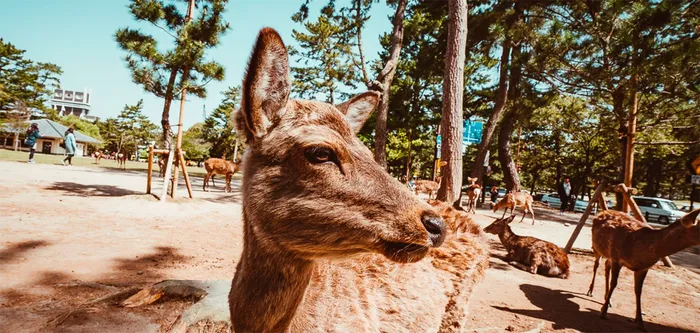
Is this your first time in Japan? Then Tokyo, Kyoto/Osaka, Hiroshima and Nara belong on your route. If you have more time, add Hakone, the Fuji Five Lakes, subtropical Shikoku, adventurous Hokkaido in the north and varied Kyushu to your route.
Visit underrated regions such as spiritual San’in, quiet Mie and exciting Tohoku, or simply head to the beaches of Okinawa in the far south.
What is the most beautiful place in Japan?
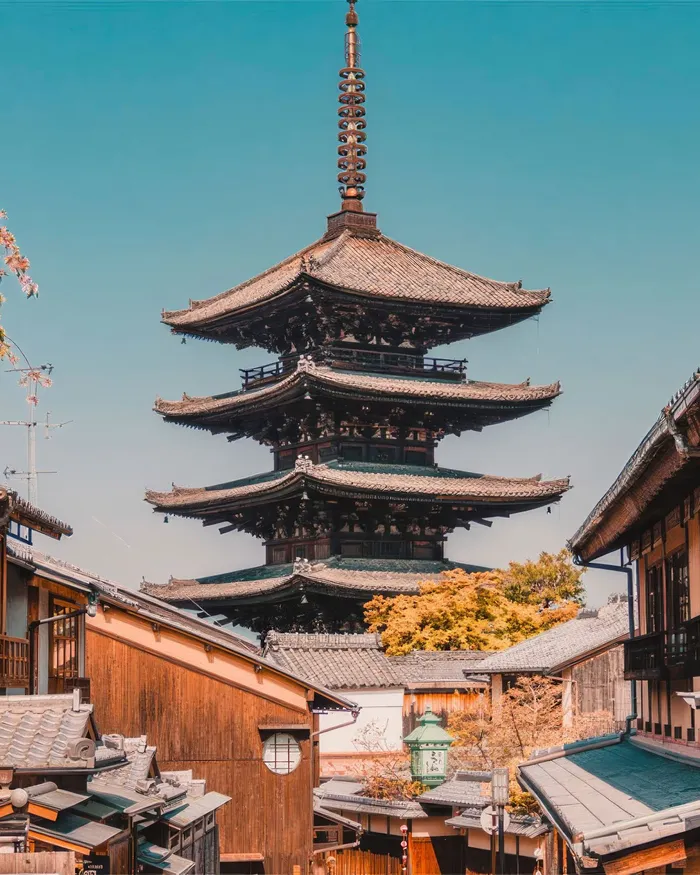
The challenge when travelling in Japan is finding a place that isn’t beautiful. With that in mind, I think Kyoto’s temple-filled Higashiyama district (especially at the peak of cherry blossom season in early April) is one of the most beautiful places in Japan. But tastes differ. In any case, we didn’t visit a single place we didn’t like.
What should you avoid in Japan?
Although certain destinations in Japan (the city of Nagoya comes to mind) have a mixed reputation, I don’t recommend avoiding particular places. I’d rather make a strategic suggestion: don’t go anywhere in Japan just because you feel you have to, only because everyone else goes there. On the other hand, wanting to visit a place makes even the most boring places endlessly interesting.
Is Japan expensive?
I’ve written in detail about travel costs in Japan, but I’ll sum up what I learned here. In short, Japan is neither as expensive as you fear nor as cheap as you’d probably like. The good news is that you can probably travel much more cheaply than you expect.
The bad news is that the relatively low cost of certain things can lull you into a false sense of having money to spare. In general, I’d say most travellers should expect to spend €100 to €250 per person per day.
Do you book early? Then you can find cheap accommodation and save a lot of money. We booked too late for the cherry blossom. For 3 weeks, plan on about €3,000 per person. We didn’t hold back on the ground and tried everything, especially when it came to food.
Typically Japanese? What you need to know
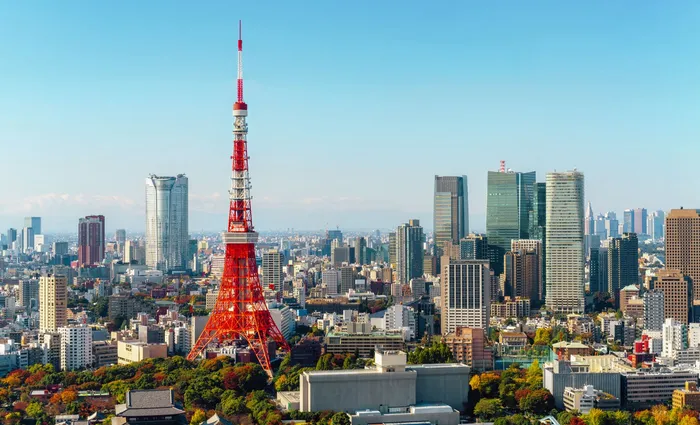
Japan lies in East Asia, east of China and Korea, surrounded by the Pacific Ocean. Around 37 million people live in Greater Tokyo, more than in any other metropolitan area in the world. Japan doesn’t have daylight saving time. And by the way: the Japanese pronounce yen as “en”.
In Japan, everything is a little different. That’s why we wrote two detailed articles with everything you need to know, so you won’t be caught off guard.
 As a thank you, the bill comes with an origami crane.
Food & drink in Japan
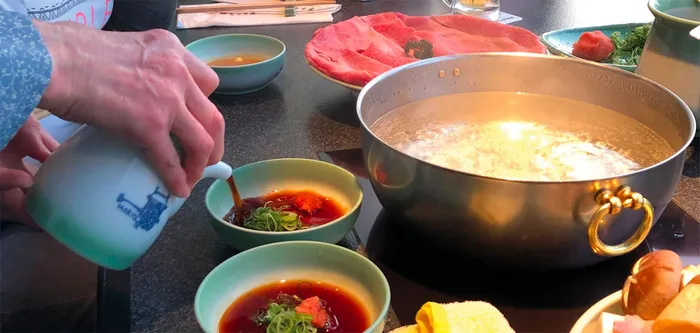
I love Japanese food, and it’s much more than sushi. Osaka is known as “Japan’s kitchen”.
Train travel and domestic flights in Japan
Another important part of planning a trip to Japan is public transport. Nationwide, this covers both Japan’s extensive rail network (including the Shinkansen bullet train) and domestic flights. Getting around Tokyo in particular can be confusing, whether it’s the Tokyo subway or the journey from Narita or Haneda airport into the city.
Take your time when planning to understand exactly how Japan’s rail system works. From the Shinkansen bullet train to local and limited express trains, subways and other urban rail systems across the country, train travel in Japan is both easy and complicated at the same time.
Do I really need a Japan Rail Pass?
Some travellers are shocked when they see the price of the Japan Rail Pass, but apart from a few cases, it ends up offering far better value for money. If you plan to take more than one Shinkansen bullet train, you should buy a JR Pass (read our review here).
Let’s look at a simple example. The bullet train from Tokyo to Kyoto alone costs around 27,000 yen for a return trip, which is 2,650 yen less than a one-week Japan Rail Pass. That difference disappears once you add the 6,000 yen for the return trip between Narita Airport and Tokyo.
Entering Japan
To enter Japan, you need a passport that’s valid for the length of your stay. Citizens of the UK, the US and the EU don’t need a visa for a tourist trip of up to 90 days. When you arrive, your fingerprints and a photo will be taken.
Registering on Visit Japan Web is no longer mandatory, but it speeds up entry. Some airlines want to see a return or onward ticket at check-in, so it’s best to ask beforehand. The rules keep changing, so check them again shortly before your trip.
Where to stay in Japan
In Japan, the choice ranges from capsule hotels and guesthouses to business hotels and traditional ryokan with an onsen. Japanese travellers often book their hotels months in advance. We were too late for the cherry blossom with only a few weeks to go, which is why we also booked Airbnb apartments. In Tokyo, it’s best to stay centrally near a well-connected station.
Looking for a hotel?
I usually find my hotels on Booking.com or Expedia.
Is Japan safe?
Japan is considered stable and very safe. Some areas around the former Fukushima nuclear power plant are still restricted, and you shouldn’t stay there. Check the current travel advice before your trip.
Money & payment
In Japan you pay with the yen (JPY). Most Japanese banks’ ATMs still don’t accept foreign cards. You can get cash with many foreign credit and debit cards at the ATMs in 7-Eleven and FamilyMart and at Japan Post branches. Ask your bank before your trip whether your card works there.
Tipping: Tipping isn’t usual in Japan and is even considered rude, and you don’t tip in taxis either. Instead of a tip, you sometimes get a paper crane with the bill.
Best travel credit card for Japan
In 2026, the best free credit cards for travel (for German residents) are the TF Bank Mastercard Gold, the DKB debit card (with account) and the Revolut Mastercard. Wherever you're from, take at least 2 cards without foreign transaction fees, so you can almost always withdraw cash and pay for free abroad.
eSIM Japan für Japan kaufen: Meine Erfahrungen und Anbieter-Vergleich
Ohne Internet kommst du in Japan schneller ins Schwitzen als gedacht. Kein Google Maps im Tokioter U-Bahn-Netz, keine Übersetzung der Speisekarte, keine Zugverbindung nachschlagen. Ich war 2 Mal in Japan, das erste Mal mit Pocket-WiFi, das zweite Mal mit einer Airalo-eSIM. Was ich empfehle und warum, steht hier.
Beste Reisezeit Japan: Klima, Kirschblüte, Rundreisen & Tipps
Japan Reise planen: Reisetipps für Japan auf eigene Faust
Japan: Was kosten 4 Wochen Urlaub? Tipps für deine Budgetplanung
Erfahrungen & Kosten: Lohnt sich der Japan Rail Pass?

Japan Reiseführer: Unsere Empfehlung für die besten Japan Guides
Der Japan Knigge: 11 wichtige Benimmregeln für Japan
Japanisches Essen: Typische Gerichte, die du auf in Japan probieren solltest
Japanische Kirschblüte Hanami Vorhersage und beste Reisezeit

Typisch Japanisch – 11 verrückte und kuriose Erlebnisse aus Japan
How to Find Cheap Flights: 10 Tips That Actually Work
Travel Packing List: Checklist for 1 Week, 10 Days & 3 Weeks
Useful links: my recommendations, this is where I book
If you book your trips or gear via my links, I receive a small commission. That’s how you can help me finance this travel blog (tech & hosting). Thank you for your support and for being part of my community. Thank you so much!