Iceland in winter at a glance
- I’ll show you what you can experience in Iceland in winter, for example a glacier hike on Breiðamerkurjökull, the Katla Ice Cave and snorkelling in the Silfra fissure.
- Best time: ice caves are only accessible from mid-October or November to the end of March; the Katla Ice Cave is open all year. The best time for the northern lights is between the end of September and the end of March.
- Route: Keflavík, Selfoss, Vík, glacier lagoon, Höfn, Vík, highlands (Þórsmörk), Selfoss, Golden Circle, Reykjavík.
- Costs: the glacier hike costs 31,500 ISK, the Katla Ice Cave about €187 and the Silfra tour approx. €140, or €191 with transfer.
- Rental car: we recommend a 4x4; the smallest class of Dacia Duster is enough. Check whether the tyres are studded.
- My tip: be sure to pack microspikes. We used them several times.
When is winter in Iceland?
From September it starts snowing in the highlands and in the north. You can get winter conditions in Iceland from September to April. Besides storms, that also means heavy snowfall and closed roads. Don’t be fooled by spring-like weather. A day later everything can look completely different: snowfall, ice on the roads and at the sights. You’ll have to change your plans spontaneously because of a blizzard and road closures, or postpone activities.
I was in Iceland in March and had everything: snowfall, icy paths, frozen waterfalls and spring-like temperatures with lots of sunshine and days that kept getting longer. Sometimes the northern lights danced across the sky, sometimes they didn’t show up at all despite good forecasts.
Travelling during the winter months has a unique charm. If you follow the important safety information for your road trip, you can enjoy the winter season to the full.
 Driving on the Ring Road in Iceland in winter
Things to do in Iceland in winter
In winter Iceland can turn into a true winter wonderland, with a whole range of great activities you can’t do like this in summer. Be prepared, though, for the weather to change quickly, just like in summer: spring-like temperatures one day, heavy snowfall with hurricane-force winds the next and pouring rain the day after.
In this wintry setting you can be enchanted by impressive waterfalls and by ice caves that you can only enter until the end of March. Winter Iceland offers you a wealth of experiences that are only possible at this time of year. You can enjoy them best in the coldest months, December and January to early February.
Glacier hikes
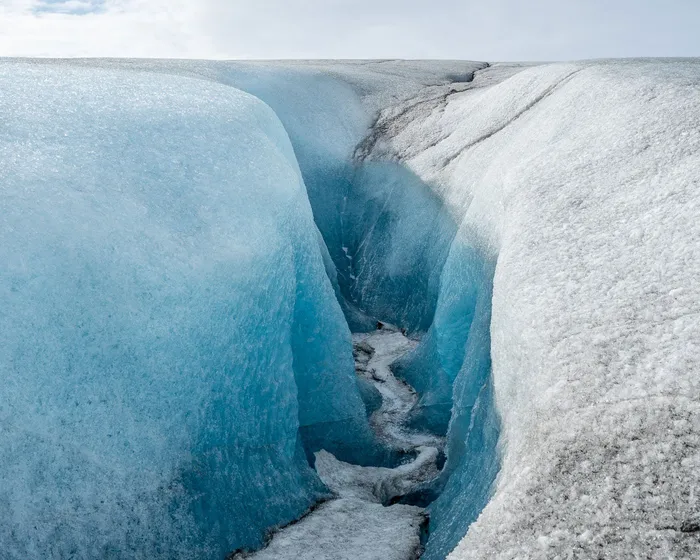
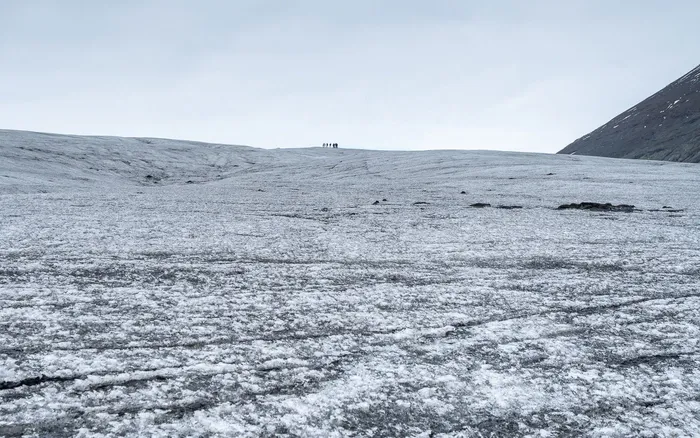
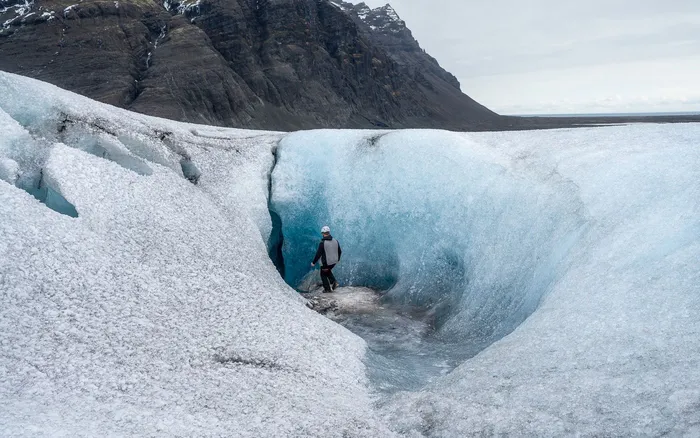
My absolute highlight was without doubt the glacier hike on Breiðamerkurjökull, a glacier tongue of southern Vatnajökull that reaches all the way to the Jökulsárlón glacier lagoon and produces the icebergs that shape this beautiful landmark. Breiðamerkurjökull is constantly retreating, calving and melting away in summer. Because of these ever-changing conditions, every hike is a unique experience.
We deliberately chose a longer glacier hike so we could see more. We did the tour with Bjarni, a local guide at Iceguide. He was able to show us right there, very vividly, how the glaciers and caves are “melting away”.
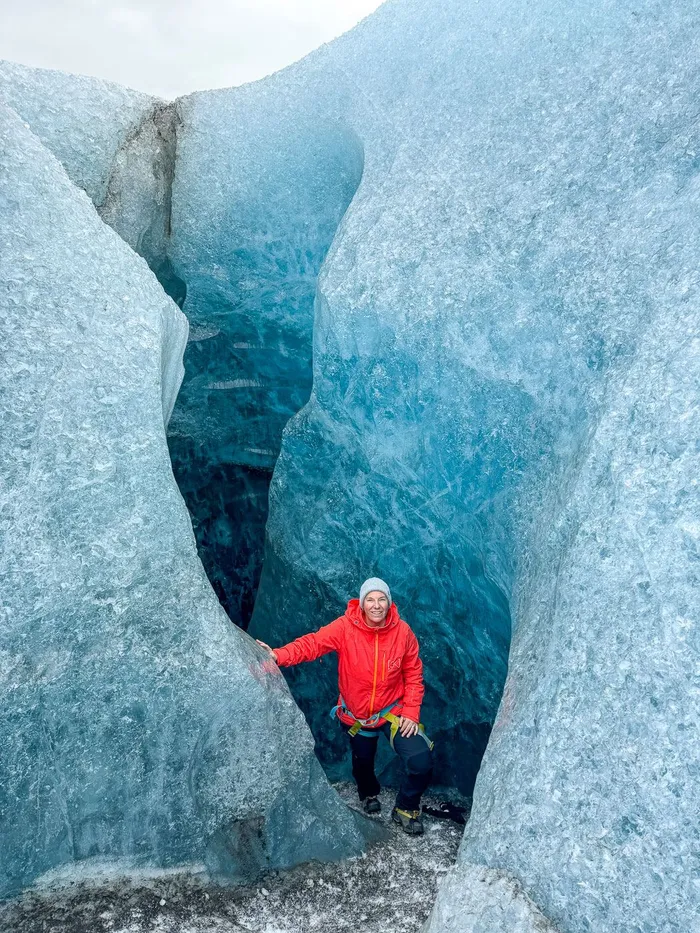
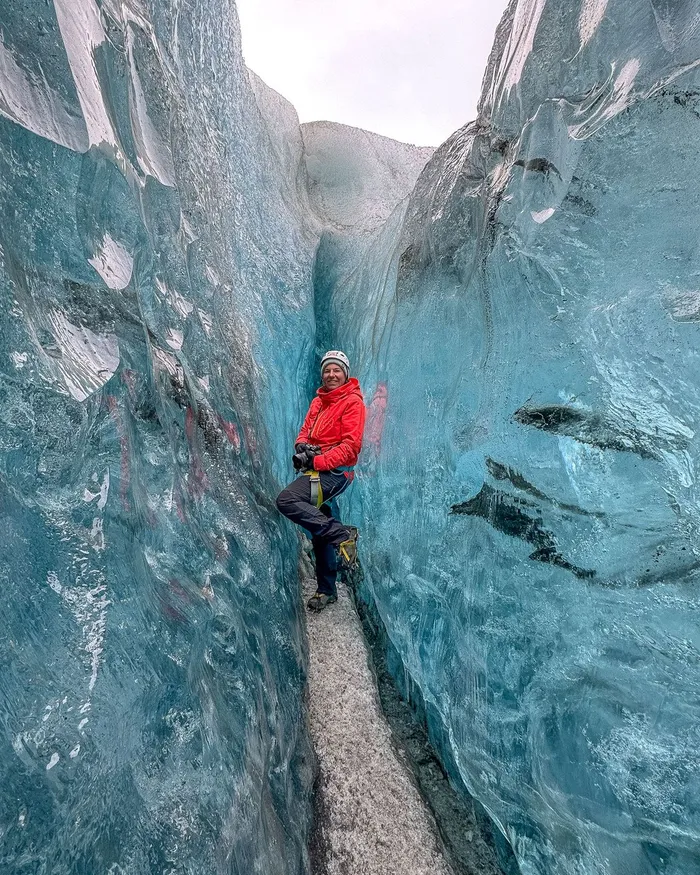
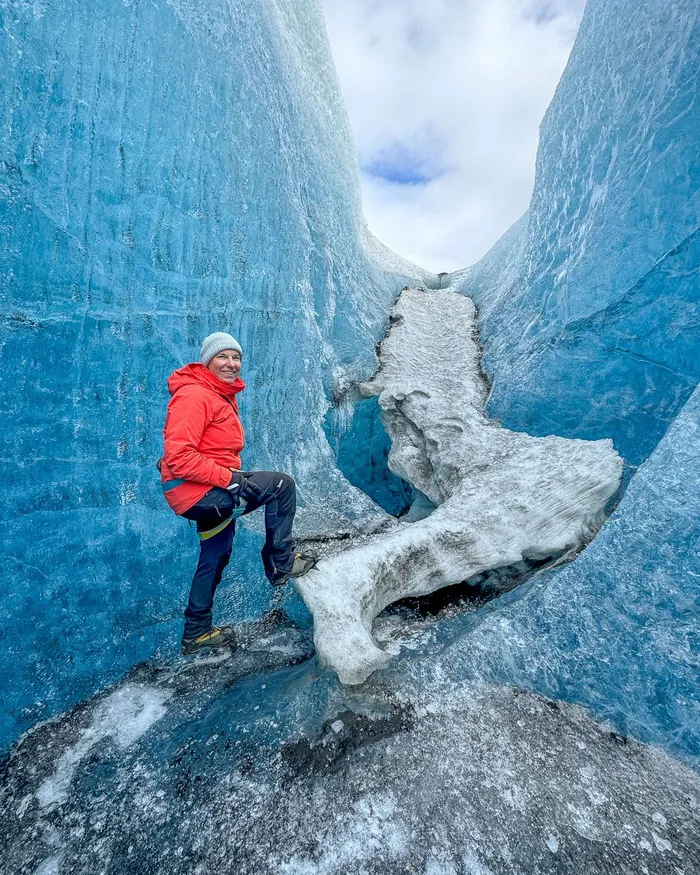
We walked on the ice, could climb down into crevasses and walk through tunnels and caves in the glacier. A truly fantastic experience. At the end, besides the Crystal Cave (see below), we also visited another, smaller cave that other tours didn’t go to.
- Tour start: Jökulsárlón glacier lagoon
- Duration: approx. 5 to 6 hours
- Season: end of October to end of March (we were there in March)
- Cost: 31,500 ISK
Visiting ice caves
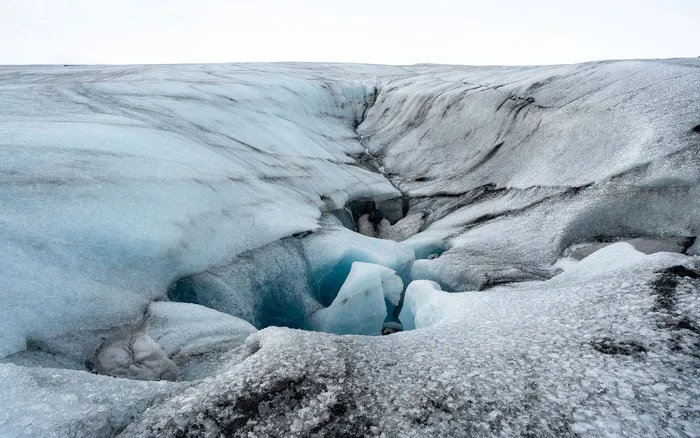
The natural ice caves are another attraction of the Icelandic winter. Their fleeting existence makes every cave unique. They’re only accessible from mid-October / November to the end of March, which makes them a special highlight of any trip.
Among others, we visited the Crystal Ice Cave, which no longer looks anything like the pictures used to advertise it. Ice caves are fleeting, and who knows whether this one will still exist next year?
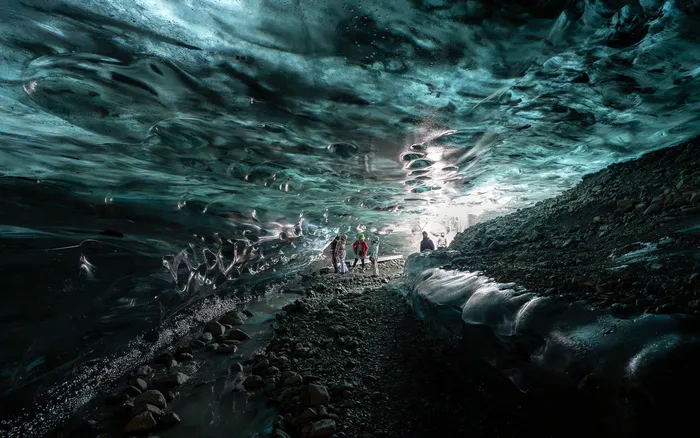 Crystal Ice Cave
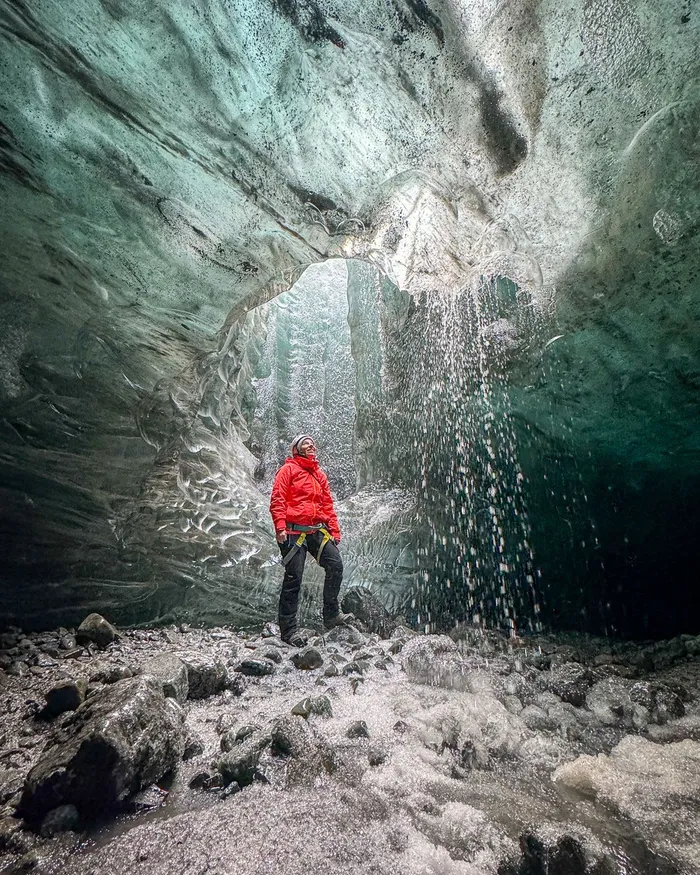
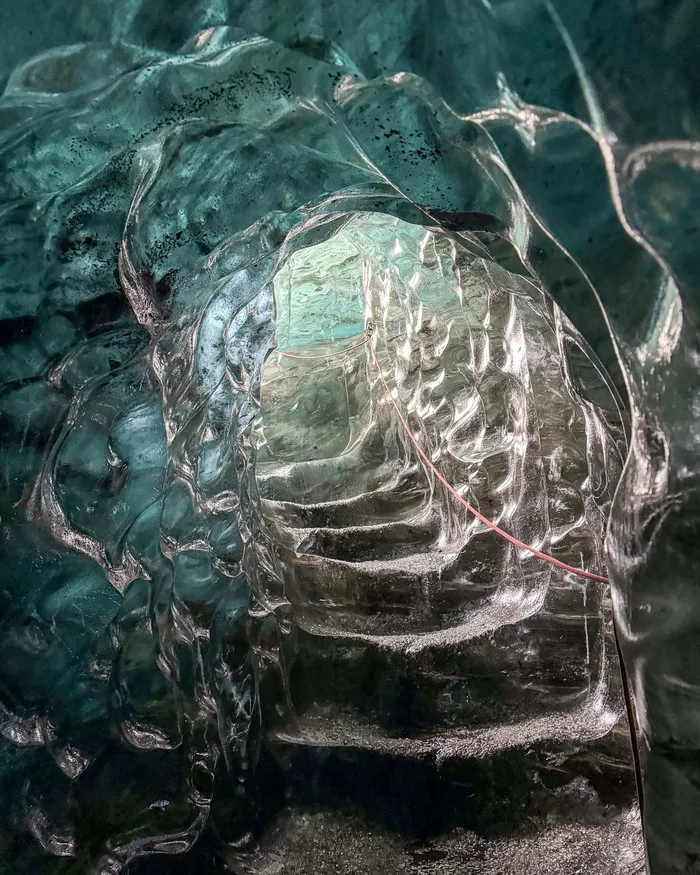
Only the Katla Ice Cave can be visited all year round. But this cave also changes its appearance every day. The old one will soon collapse, and a new one has formed since my last visit 6 months ago. Where a waterfall was still pouring down last year, there’s now an entrance and exit to the new ice cave with an impressive tunnel system. Pretty fascinating to see such a change in such a short time. Sadly, so is how fast the glaciers are melting and retreating.
- Ideal base: Vík í Mýrdal (meeting point at the Soup Company, where you can eat the most delicious soups afterwards)
- Provider: Troll Expeditions (we chose this provider once in summer and now again in winter)
- The tour takes about 3 hours including transfer and gear (helmet and crampons/microspikes)
- Season: accessible all year round
- Cost about €187
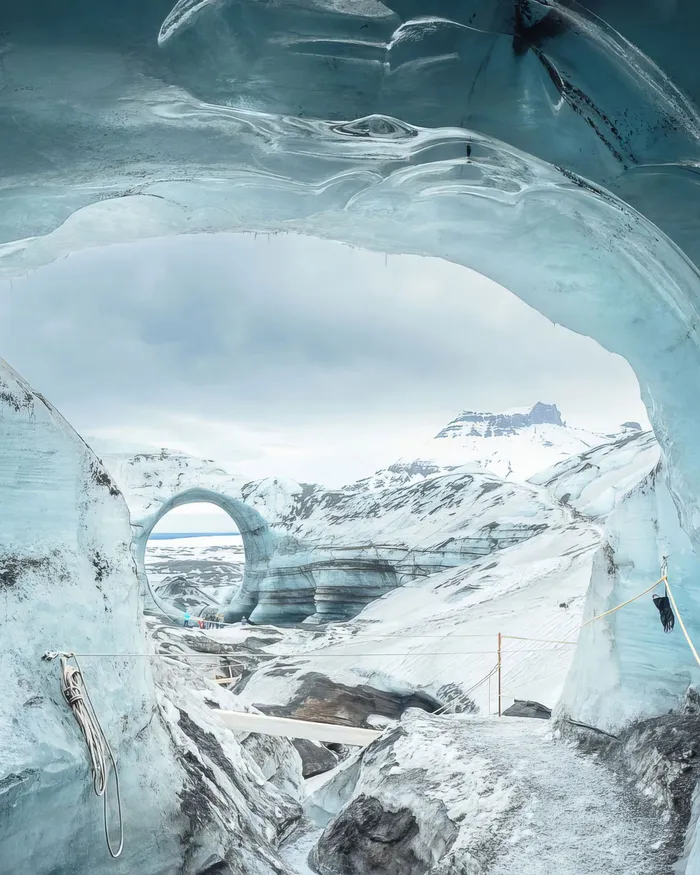
 View from the new Katla Ice Cave onto the old one, which will soon collapse
 New entrances and exits. Still a waterfall in summer
 New tunnel system in the Katla Ice Cave
 View from the new Katla Ice Cave onto the old one, which will soon collapse
In the highlands we were allowed to visit a secret black ice cave. A special experience, because you can only get there on foot, and driving across the highland rivers is only possible in winter with locals who know the area. Since we were probably the only ones there all winter, I don’t want to give away the location. But there are many of these ice caves that are still untouched by mass tourism.
 Secret black lava cave in the Icelandic highlands
Note: when it gets warmer, the caves can fill with water, melt and partly collapse. So you should never visit an ice cave without an experienced guide who knows the area and the cave well. Volcanic activity can also produce toxic gases. So never enter a cave without a guide who has judged it safe to visit.
Day trip to Þórsmörk or Landmannalaugar
Would you like to experience the solitude of Þórsmörk or Landmannalaugar, which are so popular in summer? Then I can recommend a day trip with Midgard or Southcoast Adventure. They take you into the deep-snow highlands in super jeeps. I’m lucky that a friend is the manager of the Volcano Huts in Þórsmörk and was in Iceland at the same time in winter.
 Þórsmörk in winter with a super jeep
He has a modified ISAK 4x4 jeep, knows the area and showed us a few winter highlights that you can’t reach in summer because of raging rivers. Among them, the black ice cave mentioned above.
 Panorama from Valahnúkur in Þórsmörk (Iceland) in winter
On the day trips I recommend hiking up Valahnúkur. This view is among the most beautiful things Iceland has to offer, summer or winter. In winter we climbed up to the viewpoint with microspikes (you get them from the provider).
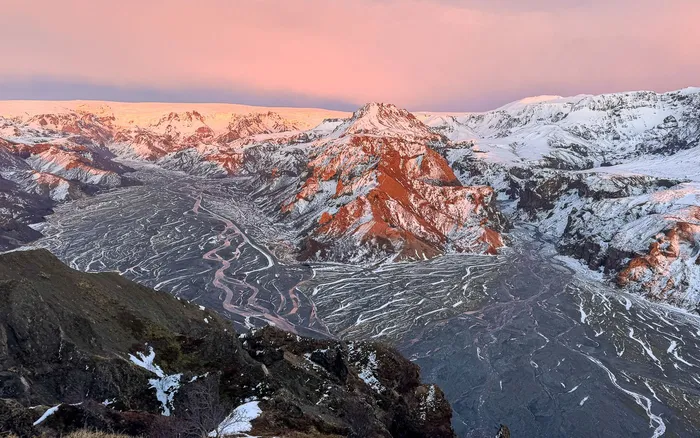 Valahnúkur in Þórsmörk in winter, Iceland at its most beautiful
Another cool place is a “Game of Thrones” filming location: Stakkholtsgjá Canyon, which you visit on the day trips. If you hurry, you can walk all the way to the end to the frozen waterfall. If it’s cold, turn right into another canyon. So many icicles were hanging down the walls here that I was totally amazed.
If you’re lucky here or at the Volcano Huts, you’ll spot one of the Arctic foxes. Some have their white coat in winter, others keep their brownish-grey one. I saw several members of the family.
Snorkelling in the Silfra fissure
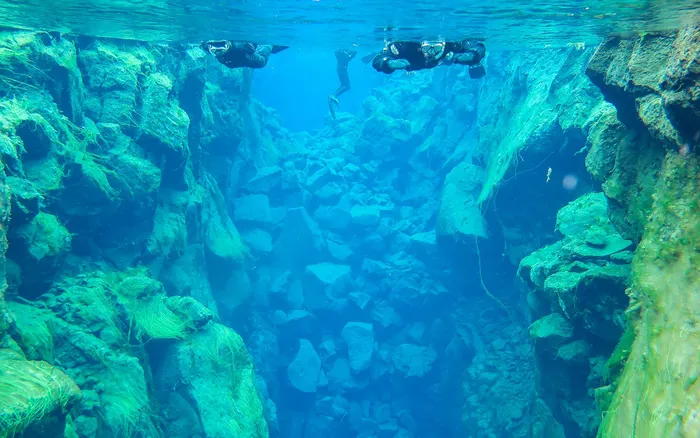
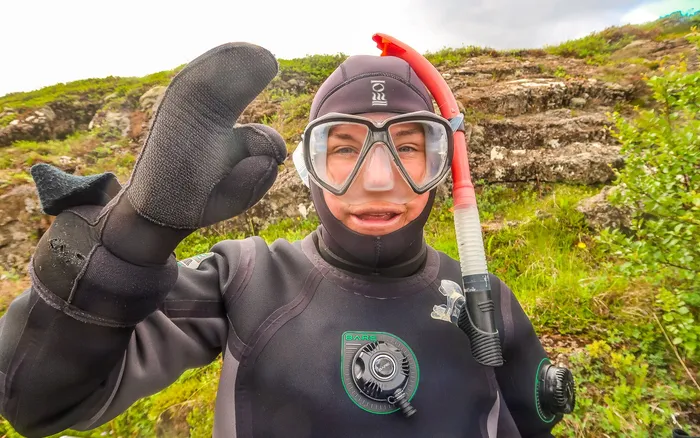
In Þingvellir National Park on the Golden Circle you can snorkel or dive in the Silfra fissure in winter too. The fissure between the North American and the Eurasian continental plates, which formed after a big earthquake, is a special highlight for anyone who loves the underwater world.
I found it a unique experience. The water is so crystal clear (and ice cold) that the visibility is enormous.
Note: because the suits fit very tightly (especially around the neck and wrists), some participants may feel claustrophobic or anxious. It really is an unpleasant feeling. But it helps that no water gets inside and you stay warm and dry. I wasn’t cold. Only my lips hurt from the cold.
Info on the Silfra fissure tour:
- Allow at least 3 hours for the tour. It takes a while to get into the gear and get the briefing.
- There are several providers; we chose Dive.is. Dive.is also offers transfers from Reykjavík and private tours.
- A tour costs approx. €140 (€191 with transfer)
Skiing and snowboarding
Iceland has excellent winter conditions for skiing and snowboarding. Even though we didn’t manage it, I’d like to point out that the best ski areas, such as Bláfjöll (near Reykjavík) and Hlíðarfjall (near Akureyri), are ideal. In Akureyri you can even go heli-skiing. You can do ski touring in the Westfjords. Because the snow stays longer up in the northwest, this region is very popular with locals.
I imagine it’s pretty exciting to have the sea in view on the way down. Even if, according to a friend, the slopes get rather boring for experienced skiers after a while. One day I’ll bring my snowboard to the island too.
Ice climbing
If you’re looking for another adventure, ice climbing is an absolute must. Iceland’s impressive glaciers and ice caves are a unique setting for this exciting activity. You need a good guide who knows the glacier well and can ensure a safe route through the changing ice and snow conditions.
You can book ice climbing in combination with glacier tours, especially in the ice caves of Vatnajökull, Europe’s largest glacier. I tried it years ago in Canada. It’s fun, but it pushed me to my limits (not enough strength in my arms).
Northern lights in Iceland
One of the highlights of any winter trip to the far north is without doubt the northern lights (aurora borealis). These fascinating lights are a true natural spectacle and an unforgettable sight. The best time to see this natural phenomenon in Iceland is between the end of September and the end of March, with especially good chances around the equinoxes (Wikipedia) in September and March, and higher chances because of the darkness in December and January.
From April the days get longer again, so your chances drop, because darkness is then limited to a few hours and you have to stay up late.

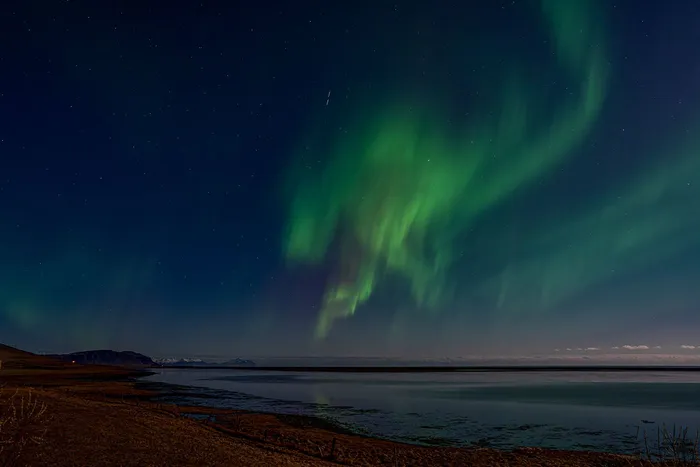 Northern lights in Iceland in winter. In March we got lucky in Höfn
Good places to watch the northern lights are sparsely populated areas far away from light pollution. The best are the highlands, guesthouses away from the towns along the Ring Road, or remote regions like the Westfjords or the East Fjords.
 Northern lights in Iceland in March
To photograph the northern lights, you should use a tripod and a fast lens on your camera to avoid camera shake. You’ll find lots of tips online about which camera settings to use. Use my article on photographing the Milky Way as a guide. The principle and the settings are the same.
That said, thanks to good smartphone technology you can now take great shots with your phone too.
 @Ben Simon Rehn, northern lights in Iceland
The Golden Circle in winter
The Golden Circle is one of the best-known tourist routes in Iceland, and in winter it turns into a picturesque winter wonderland (when there’s snow).
In Þingvellir National Park you get great views of the tectonic plates and snow-covered mountains. Despite the winter temperatures, you can even snorkel or dive between the tectonic plates (Silfra fissure), with visibility of up to 120 metres. I had already done it in summer and can highly recommend it. The water here is always cold. You get proper drysuits so your body stays warm (more info under the winter activities above).
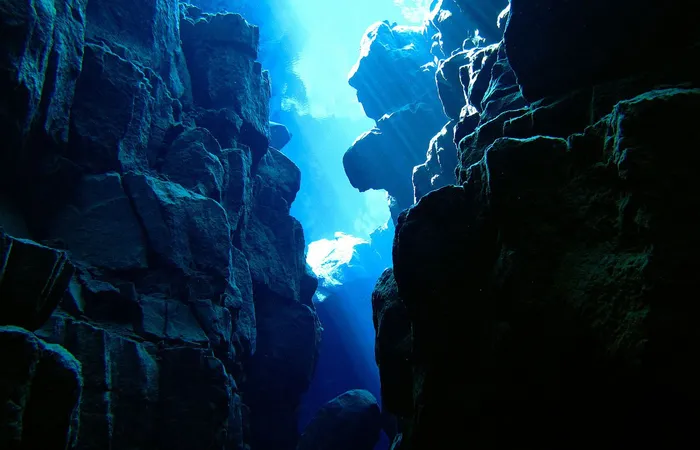 The Silfra fissure in Þingvellir on the Golden Circle
Öxarárfoss waterfall in Þingvellir National Park can be completely or partly frozen in winter, and you reach it on a less crowded walk behind the first part of the national park. Unfortunately it wasn’t frozen when we were there, so we skipped it (we’d already been in summer).
The geothermal area with the active Strokkur geyser, which erupts about every ten minutes even in winter (the intervals get longer every year and the fountain smaller), is one of the best-known attractions in Iceland. If you’ve never experienced bubbling mud pots that smell of rotten eggs or a real geyser, it’s a real highlight.
Try to be here early in the morning or late in the afternoon (before it gets dark) to avoid the crowds.
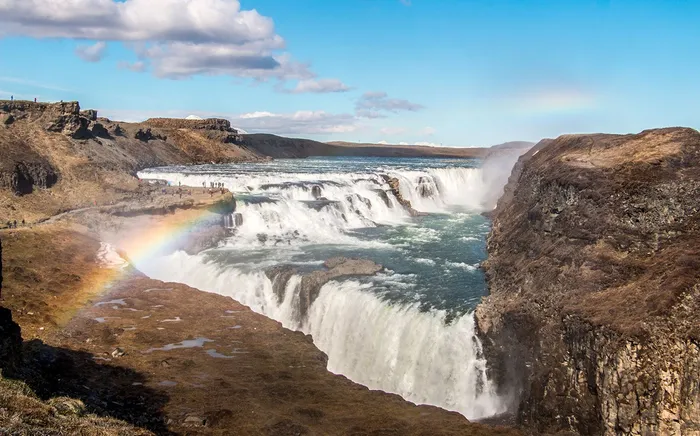
Gullfoss waterfall, one of Iceland’s most powerful waterfalls, is especially wild and picturesque in winter. When we were there it was partly frozen, and the lower paths were closed for safety reasons because of extreme ice.
Kerið crater can be worth an extra stop on the Golden Circle route, especially when the crater lake is frozen and conditions are good. Unfortunately that was no longer the case when we were there, so we saved ourselves the entrance fee (we’d been here before too).
Brúarfoss was a hidden gem among Iceland’s waterfalls for a long time, and it stands out with its intense turquoise blue against the winter landscape. You reach it on a short footpath, and for me it’s one of the most beautiful places on this tourist route (whatever the season). Since it’s been in every guidebook, it gets quite busy here in winter too.
Iceland’s south coast in winter
For me, besides the highlands, Iceland’s south coast has the most beautiful natural attractions in a relatively small area. In winter, the south coast as far as Höfn has a very special atmosphere. You can visit these sights in winter too:
- Waterfalls such as Skógafoss, Seljalandsfoss, Kvernufoss and Svartifoss
- Ice caves such as the Katla Ice Cave, Blue Cave and Crystal Cave (these are just the best known, there are many more)
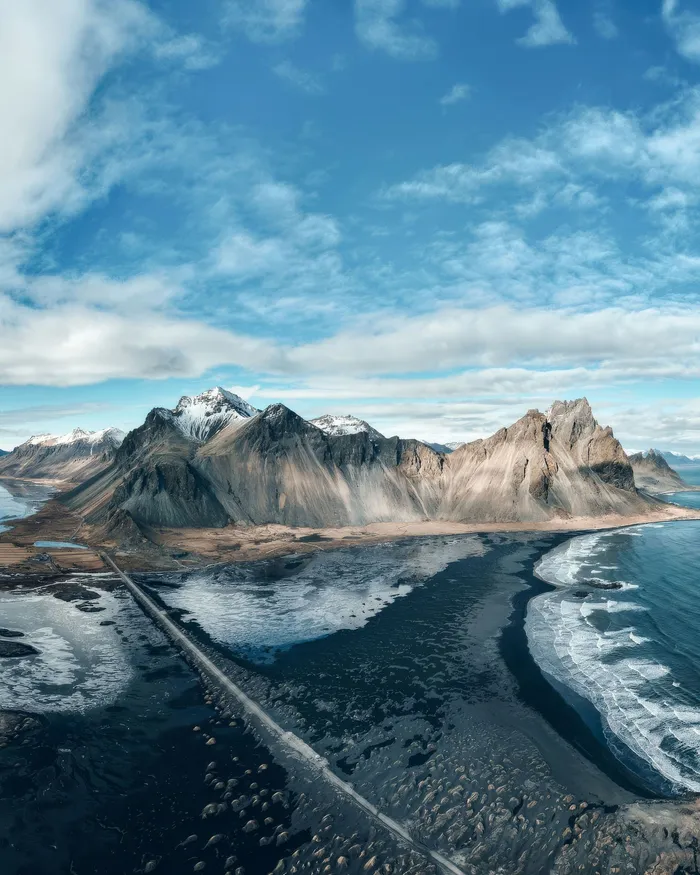
- Black sand beaches such as the one in Vík, Reynisfjara and at Vestrahorn
- Breiðamerkursandur, “Diamond Beach”
- Glacier tongues of Vatnajökull, Mýrdalsjökull, Hoffellsjökull and Eyjafjallajökull
- Fjaðrárgljúfur Canyon
- Frozen glacier lagoons such as the best known one at Vatnajökull: Jökulsárlón
- Seals at Vestrahorn and at the Jökulsárlón glacier lagoon
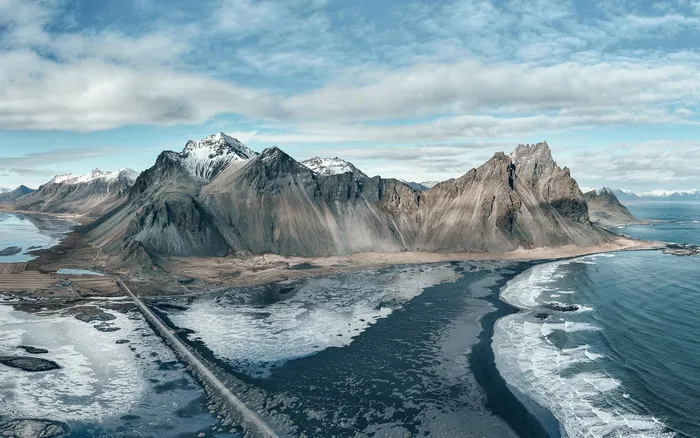 Vestrahorn at Stokksnes in winter
These attractions are easy to reach along Route 1. Of course there are more highlights on the south coast that you can visit if you have the time and good conditions.
 There isn’t snow everywhere in Iceland in winter. The south is often mild, like here at Dyrhólaey
Famous waterfalls on the south coast are the majestic Skógafoss, which has rainbows even in winter, and Seljalandsfoss.
 Skógafoss waterfall in winter: icy wind, slippery ice and beautiful rainbows guaranteed
My highlights are Kvernufoss and Svartifoss. But in winter it’s often extremely slippery here, and the paths behind the waterfall are then closed (as at Seljalandsfoss too). Be sure to pack microspikes, which often come in handy here on slippery rocks.
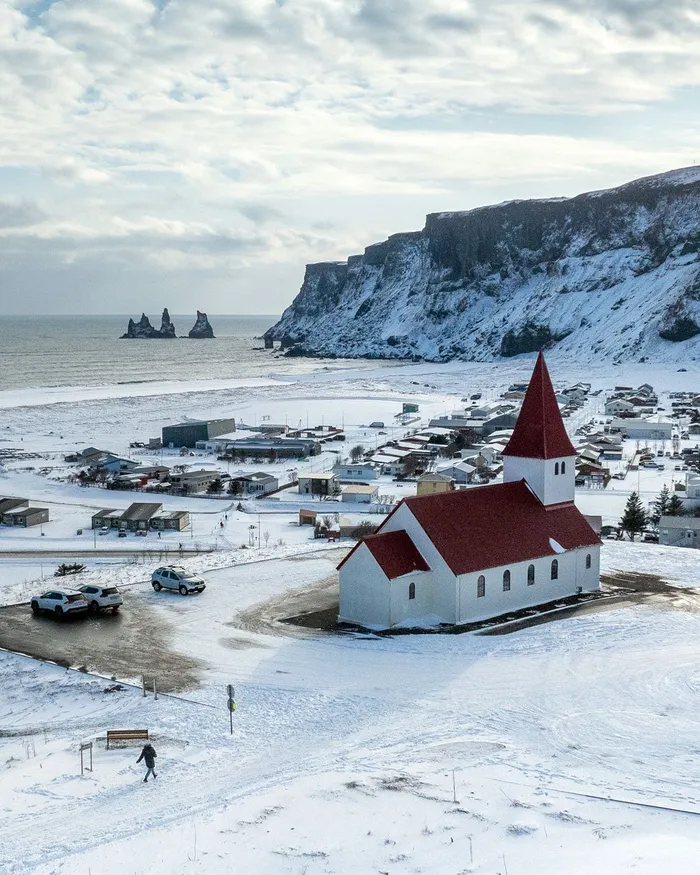
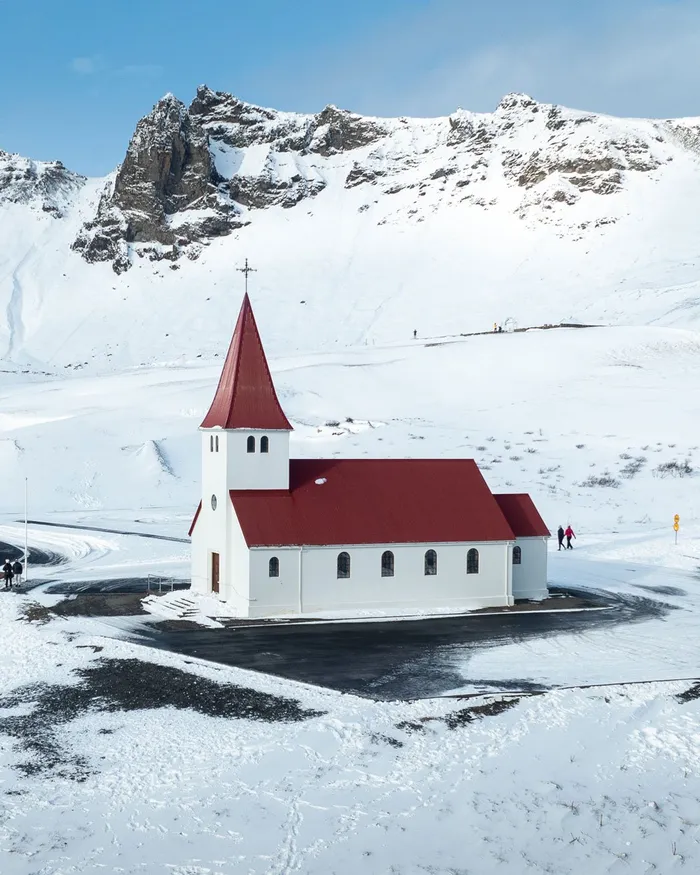
The black beach of Reynisfjara and Vík, with its basalt columns and the church with a great view, are more highlights, especially when there’s snow. The most important “towns” for places to stay on the south coast are Vík, Kirkjubæjarklaustur and Höfn, and you’ll find lovely, cosy guesthouses, hotels and simple cabins both in the towns and outside them.
 The black beach in Vík with a view of the famous basalt columns in the snow
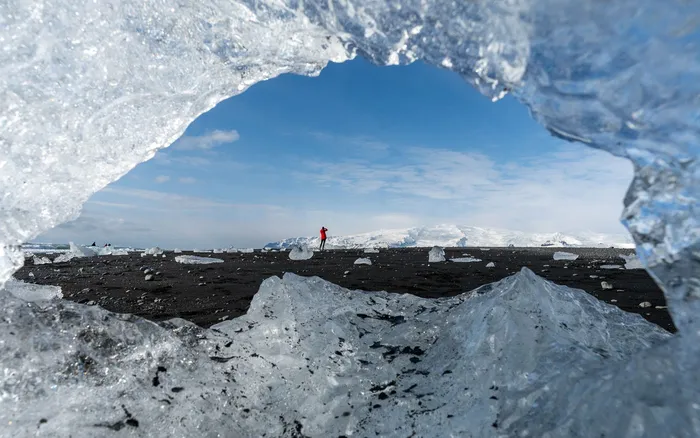
Just a note, so you’re not too disappointed when you visit Breiðamerkursandur, or “Diamond Beach”. In winter the Jökulsárlón glacier lagoon is almost completely frozen. Large and small chunks of ice freeze in place on the surface, so the water often flows underneath at high and low tide. As a result, the icebergs washed up on the beach are much smaller than in summer. So don’t be too disappointed.
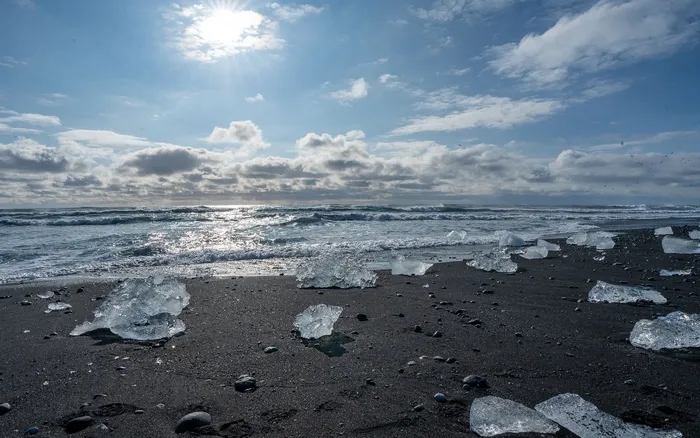
 Outflow of the Jökulsárlón glacier lagoon in winter
Hot springs and baths
Geothermal pools and hot springs are bodies of water that are heated naturally by the earth. You find them in areas with high volcanic activity, which Iceland has in abundance.
After a day full of adventure, there’s nothing better than relaxing in one of Iceland’s many hot springs and baths. The Blue Lagoon is known for its architecture and therapeutic waters and has been named one of the 25 wonders of the world by National Geographic. I find the prices overpriced and the fuss made about it not worth it. Go to the free hot springs along the Ring Road instead. Some are hard to reach in winter when the snow starts to melt.
The Sky Lagoon or the Hvammsvík Hot Springs (only 45 minutes from Reykjavík) offer special views and amenities. Vök Baths in the east of Iceland near Egilsstaðir have geothermal pools floating on lake Urriðavatn, and offer a unique bathing experience with drinkable geothermal water that’s used to make tea. These baths are just a few of the many hot springs in Iceland.
Here are hot springs and baths as an alternative to the Blue Lagoon. Unfortunately we didn’t make it to any of them this time (too stormy, unreachable because of melting snow, etc.):
- Sky Lagoon
- Secret Lagoon (in Flúðir and anything but secret)
- Laugarvatn Fontana geothermal baths
- Reykjadalur geothermal river
- Seljavallalaug pool (only if you don’t mind wading through the water once the river is no longer frozen)
- Landmannalaugar (only possible on a day trip into the highlands; we were here in summer)
- Mývatn Nature Baths in the north
Safety and preparation for winter in Iceland
With these apps and websites you’ll always be well informed. Check them every day:
- safetravel.is: website and app of ICE-SAR, the Icelandic Association for Search and Rescue. Here you’ll be kept up to date on local road closures, hazards and useful information. It’s also the best source during a volcanic eruption.
- umferdin.is: website of Vegagerðin, the Icelandic Road Administration (formerly road.is), and the best source of information on road conditions, with a map, webcams and weather. Closures and roadworks are shown too.
- All of this is useful information in every season.
- vedur.is: website and app of the Icelandic Meteorological Office. The best source for wind and weather, northern lights and avalanches or earthquakes (which happen when the earth shakes more often because of tectonic plate movement).
- windy.com: the best source for checking whether it could get stormy.
- Aurora app for your phone and/or the website https://en.vedur.is/weather/forecasts/aurora/
- Parka app: the app for paying for parking at sights in Iceland. Set up the app with your credit card before your trip, so that on the ground you only have to enter the rental car’s number plate. Sometimes EasyPark is used instead.
 Always pay attention to the warnings in the safetravel.is app for Iceland
Clothing and gear
For Iceland it’s essential to think in layers. Basically, in winter you need all the layers you need in summer, just with an even warmer jacket on top, thermal underwear and, if necessary, thick gloves. It’s essential to pack warm clothes in layers, waterproof and windproof outerwear and insulated waterproof footwear (hiking boots are ideal). It can rain as well as snow.
 Pouring rain at Skógafoss in March. In summer it was just as cold and rainy. In Iceland anything is possible.
The essentials: waterproof and warm clothing in several layers. Rain and wind in Iceland are nothing like what we’re used to in Germany. The year before I’d bought a Gore-Tex+ rain jacket from 66°North (an Icelandic brand), and I also brought my snowboard jacket. On top of the thermal trousers I’d worn the year before on the Laugavegur hike, I added rain trousers from Icewear (also from Iceland) and merino underwear.
What I wear:
- Base layer: underwear plus a merino long-sleeve top and long johns, also merino.
- Mid layer (to store body heat and insulate): fleece, synthetic down, softshell or an Icelandic wool jumper. Fleece joggers or thermal trousers under the waterproof trousers are ideal.
- Outer layer: waterproof and windproof jacket and trousers (Gore-Tex or Gore-Tex+), a buff or scarf, gloves and a warm hat, warm socks (merino), sturdy waterproof hiking boots, no trainers. Microspikes or crampons are really useful on slippery ground and snow.
In general, pack these for Iceland:
- Swimwear and a travel towel for the hot springs along the way.
- Microspikes for your shoes. We used them several times.
- Head torch: the ideal companion if you want to photograph the northern lights at night.
- Leave at home: your umbrella. In strong wind it breaks 90% of the time anyway.
 Crampons are a must on a glacier hike in Iceland
Wearing layers is crucial, including underwear made of merino wool or synthetic thermal materials, an insulating mid layer of materials such as wool or fleece, and a waterproof and windproof outer shell. Your personal gear should also include a power bank, a head torch or flashlight and crampons for icy surfaces.
It’s important to wear the right clothes to protect yourself from the cold. You should also be especially careful in winter conditions in Iceland. Don’t forget to plan your trip carefully and always keep an eye on the weather and road conditions.
Getting around and driving in winter
Whether you want to drive the whole Ring Road or only explore the south: without a rental car you won’t get far. You can make Reykjavík your base and book day trips and excursions from there as far as the glacier lagoon, but that usually only gets you one thing: long days on the bus and high costs.
There are a few important things to keep in mind when driving in Iceland in winter. Before renting a car in Iceland in winter, check whether your vehicle has studded tyres. They’re increasingly frowned upon because they damage the asphalt, but we were grateful for them, because we had fresh snow with ice on the road 2 to 3 times. Driving is much more comfortable then.
We recommend a 4x4 for a winter road trip (even though many people say you don’t need one). If you want to reach a few of my recommended highlights off the Ring Road on gravel roads, you’re on the safe side and it’s simply more comfortable to drive. The smallest class of Dacia Duster (the most popular small SUV in Iceland) is enough.
When it snows, slow down. In poor visibility or difficult road conditions, stop in a safe place and wait for better conditions. In strong wind, the snow often blows into the air so that you can see neither the road nor the vehicles in front of you. Then the only orientation is the posts marking the road.
If the safetravel.is app advises you to change your plans and avoid the north, you should do so. Roads can be closed for days in heavy snowstorms. Then you’re stuck.
New since 1 January 2026: every car in Iceland pays a mileage fee (kílómetragjald) of 6.95 ISK per kilometre, rental cars included. For the Ring Road, at around 1,300 kilometres, that’s about 9,000 ISK (around €65). Rental companies charge it in different ways, some per kilometre driven, some as a flat rate per day. Ask when you book whether it’s included in the price.
Stick to the speed limits. If you get caught by a speed camera in Iceland, it gets expensive.
Weather conditions
Icelandic weather in winter is moderate, with average temperatures between –10 °C and 5 °C in Reykjavík, similar to New York City and Berlin. Around the winter solstice on 21 December, Reykjavík only gets about four hours of daylight, and even less in the north of Iceland. It doesn’t get much darker than that.
The regional differences in Iceland’s winter weather show in lower temperatures and more snowfall in the north and east than in the south. Winter lasts from November to March; in November average temperatures range from –1 °C to 4 °C, while in March they’re between –2 °C and 3 °C.
Always check the vedur.is website (also available as an app) for the exact current weather conditions, and be prepared for sudden snowstorms and icy roads on Iceland’s south coast and, above all, in the north in winter, which can affect your travel plans.
That’s why we focused on the south as far as Höfn and brought enough time. But we’d also been to Iceland before and know the places pretty well.
FAQ about Iceland in winter
How cold is Iceland in winter?
In winter the average temperature in Reykjavík drops below freezing, and the ground is often covered with ice and snow. The further inland you go, the colder it gets. In the Icelandic highlands temperatures can drop to –30 °C and below. In the north and in the highlands it’s a little colder than in the other regions, with average temperatures of –5 °C to +5 °C.
How dark is Iceland in winter?
At the height of winter, in December and January, there are only 4 to 5 hours of daylight a day. Icelanders who work from 9 to 5 don’t see the sun at all. In March the days are already longer than at home in Germany. At the end of March you even get up to 14 hours of daylight in Reykjavík.
What does Iceland look like in winter?
In winter Iceland often shows itself with snow-covered landscapes and frequently impressive northern lights. It’s an excellent time to experience the stunning nature. In the south, though, you may find more of an autumn landscape than a snowy one. In March you can find spring-like temperatures here. But it can still snow until April or May. Be ready for anything: in winter, Iceland is a box of surprises.
 Skógafoss in the rain in March
 A week later with ice, sunshine and a little snow: Skógafoss in Iceland
What should you wear in Iceland in winter?
For a winter trip to Iceland I recommend warm, weatherproof clothing, such as a thick winter jacket, thermal underwear and a windproof and waterproof outer layer. That way you’re protected against wind, rain and snow. See my detailed packing list for Iceland.
Useful links: my recommendations, this is where I book
If you book your trips or gear through my links, I earn a small commission. This helps me fund this travel blog (tech & hosting). Thank you for your support and for being part of my community. Thank you so much for your support!