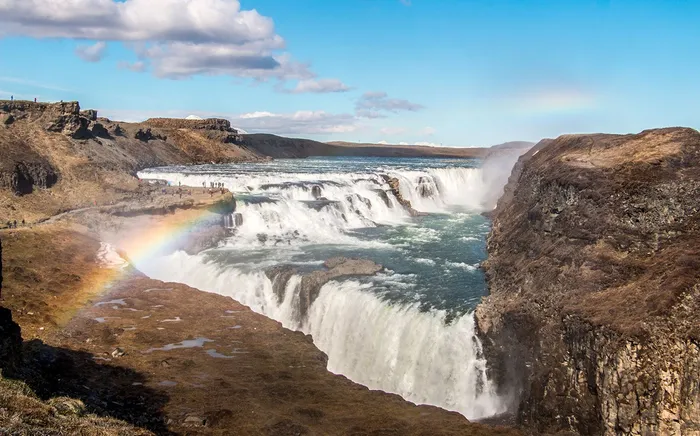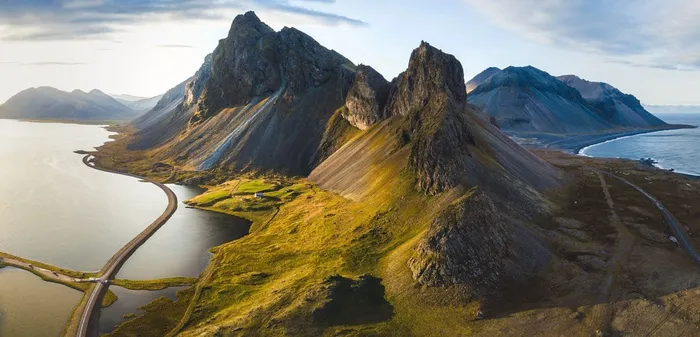
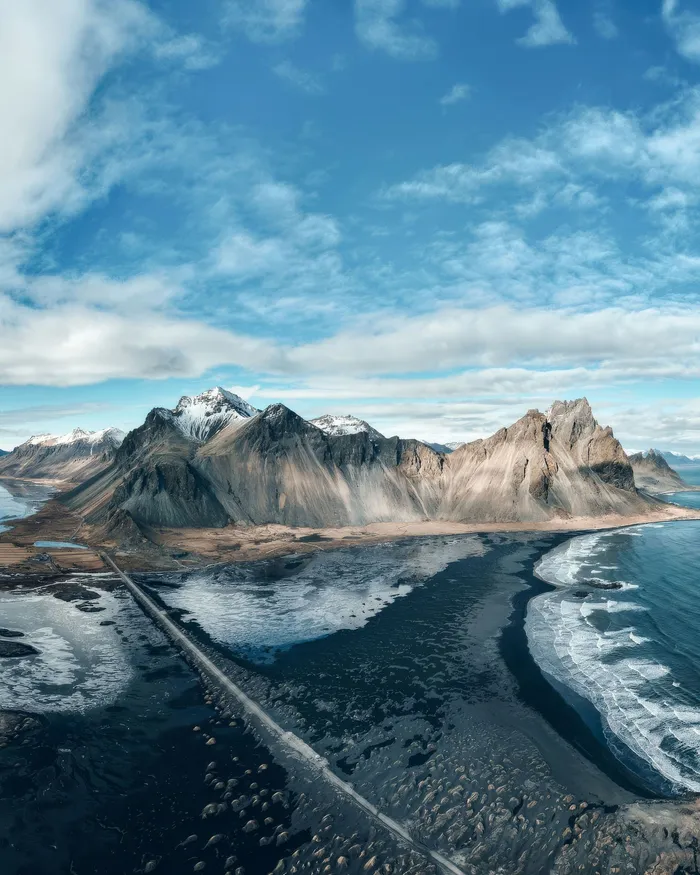
I don’t know anyone who has come back from Iceland without falling in love with the land of fire and ice. Active volcanoes, black lava fields, huge icebergs, impressive waterfalls, black beaches and steep cliffs, to name just a few of its landscapes.
In this guide I’ve collected all my travel tips for Iceland: useful websites and apps, tips for driving, personal highlights and experiences from our trips. You can only travel to Iceland completely spontaneously and without any planning if you bring your own car or campervan. And even then only if you book the popular ferry early.
Iceland travel tips at a glance
- I’ll show you how to plan your Iceland road trip: best time to go, how long to stay, rental car, route, accommodation and costs.
- Best time to visit: June to August for road trips and the highlands; November, February and March for winter and the northern lights.
- How long: at least 10 to 14 days for the Ring Road, 2 to 3 weeks is more relaxed.
- Getting around: by rental car or camper. In peak season, rental cars, campers and accommodation are often booked up a year in advance.
- My tip: pack for every kind of weather. Even in summer it can snow in the highlands and in the north.
Why Iceland?
I’ve hardly visited any country that packs so much variety and so many extremes into such a small area (just 103,125 km²). The tourism boom shows no sign of slowing down, and we can’t deny that we keep dreaming of going back to Iceland ourselves.
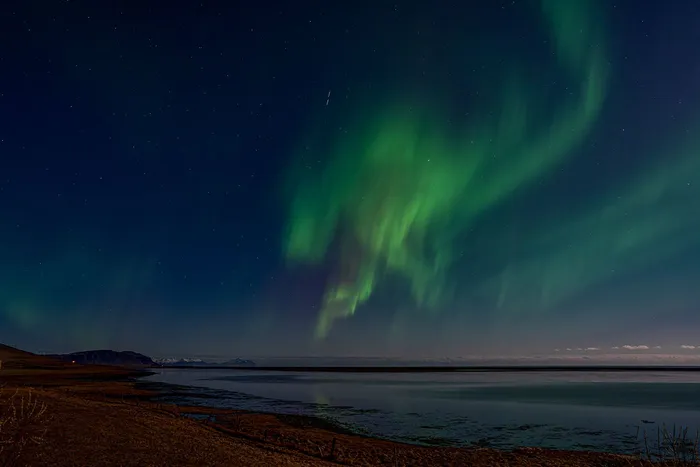
Iceland is a true paradise: the highlands offer a unique landscape, there are active volcanoes (I was lucky), great hikes, waterfalls that never get boring, black beaches, puffins, whales, seals, northern lights in winter, wonderful people who live in harmony with nature and much more. I’m an Iceland fan and pretty sure the country will win you over too.
Here are just a few photos from my trips to Iceland:
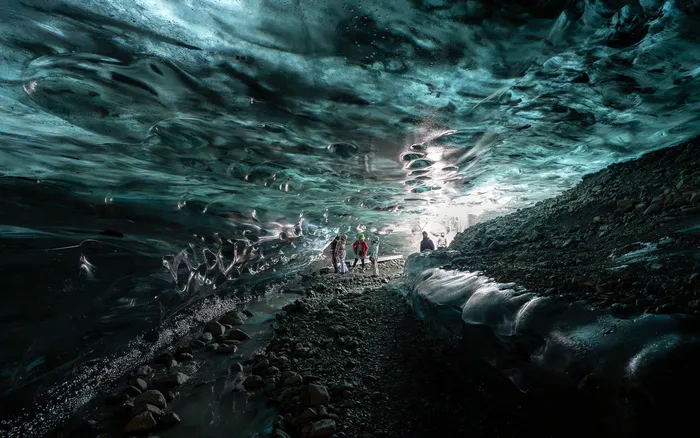 Crystal Ice Cave
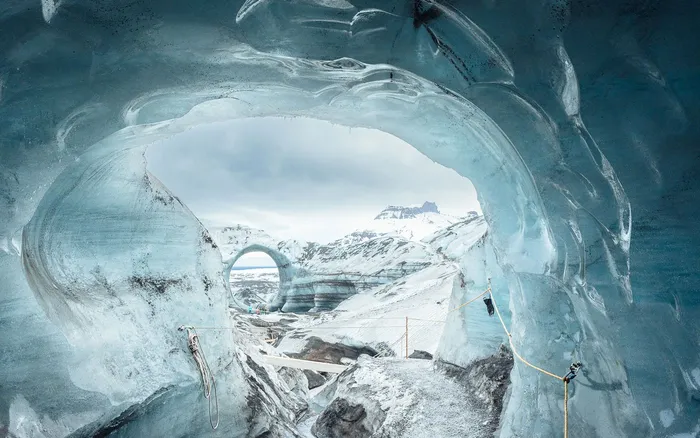 Winter road trip in Iceland: Katla Ice Cave
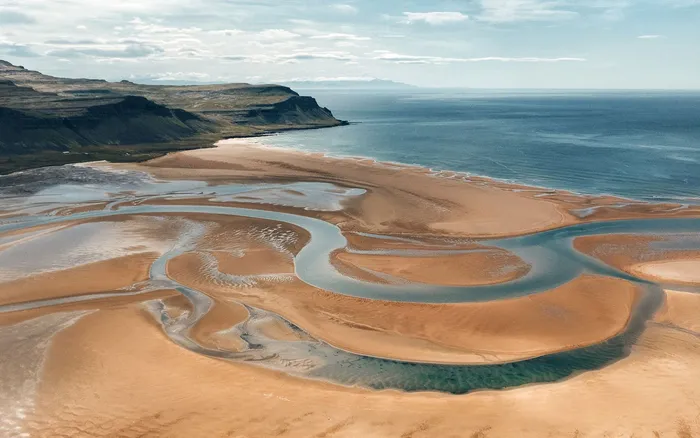 Rauðisandur, Westfjords, Iceland
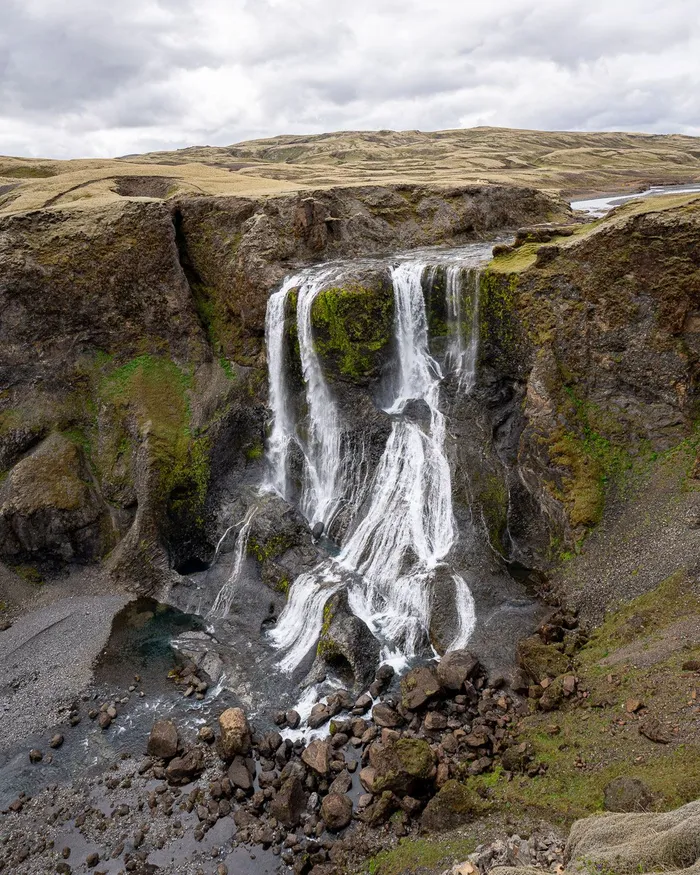 “The beautiful one”: Fagrifoss waterfall in Iceland
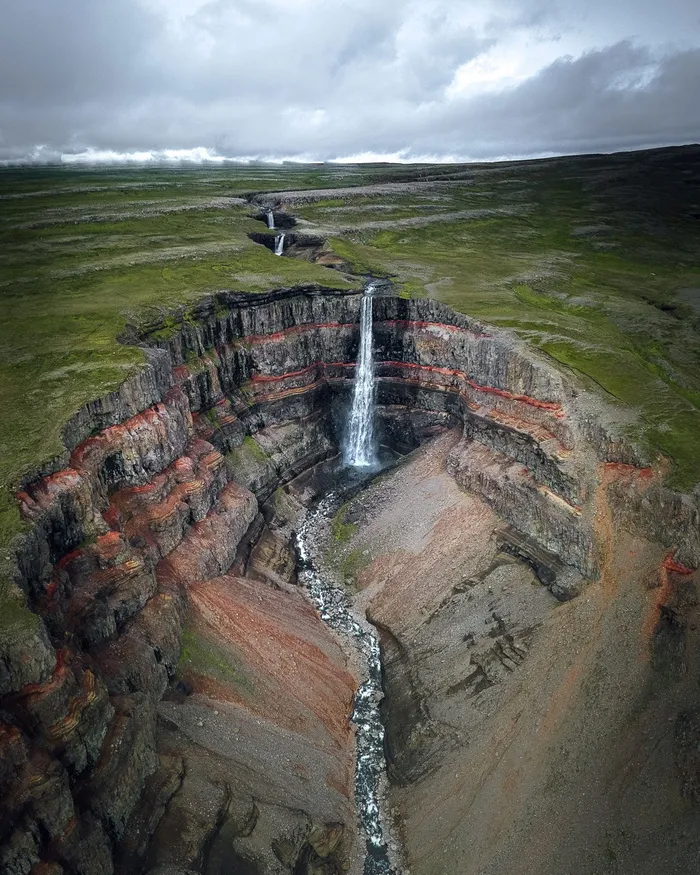
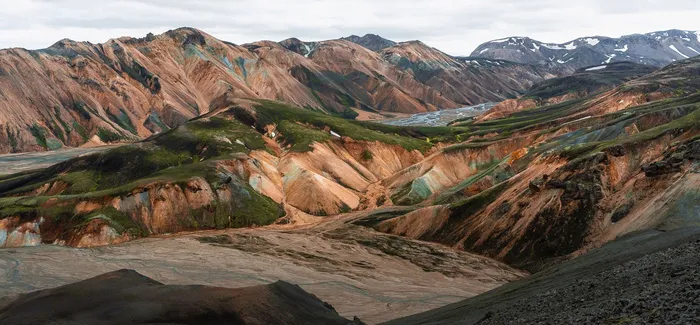 Iceland bucket list: the highlands around Landmannalaugar
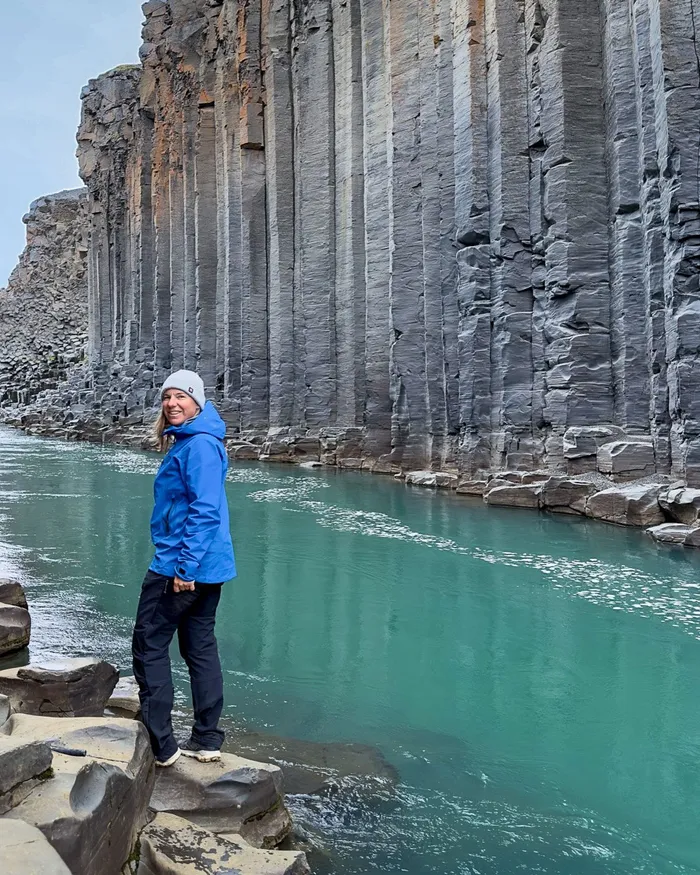
 Hiking the Laugavegur Trail in Iceland: view of Álftavatn
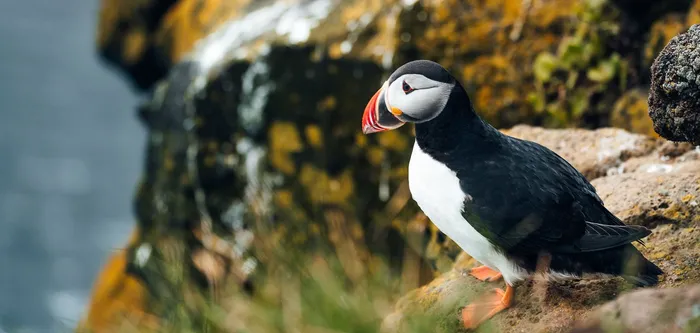 There are lots of puffins in Borgarfjörður (Bakkagerði).
 Scenic flight over the active volcano
The infrastructure keeps getting better. The Ring Road, which takes you all the way around Iceland, is fully paved, and you can easily reach many of the most beautiful places. But Iceland wouldn’t be Iceland if there weren’t still plenty of adventures waiting.
 You can often only reach the highlands (here Þórsmörk) through deep river crossings in a modified super jeep
Some places you can only reach on foot, in a super jeep (raised jeeps with extreme ground clearance for deep river crossings) or on a scenic flight. And even away from the best-known sights, fascinating new landscapes are still being discovered. Whether locals will tell you about them depends on you. Open yourself up to the adventure and bring plenty of time!
Which places you visit on your road trip depends on when you travel, the rental car you choose and your budget.
Enjoy our tips for planning your Iceland trip.
Before your trip, you’ll probably ask yourself questions like these:
- Which rental car do we need? 4x4, a normal car or a camper?
- How expensive is accommodation? What budget should we plan for?
- When do we need to book? Do we have to plan ahead or can we travel spontaneously?
- When is the best time for whales, northern lights, puffins or hiking in the highlands?
- Which are the most beautiful places?
- Do I need cash, or can I pay for everything by credit card?
- What clothes should we pack?
Questions upon questions that land every day in various Iceland Facebook groups and in private messages to me. Read on, because we’ve written down all our Iceland expertise and experience from many trips in every season.
Aus meinem Shop
Island-Karte: 400+ Orte für Google Maps
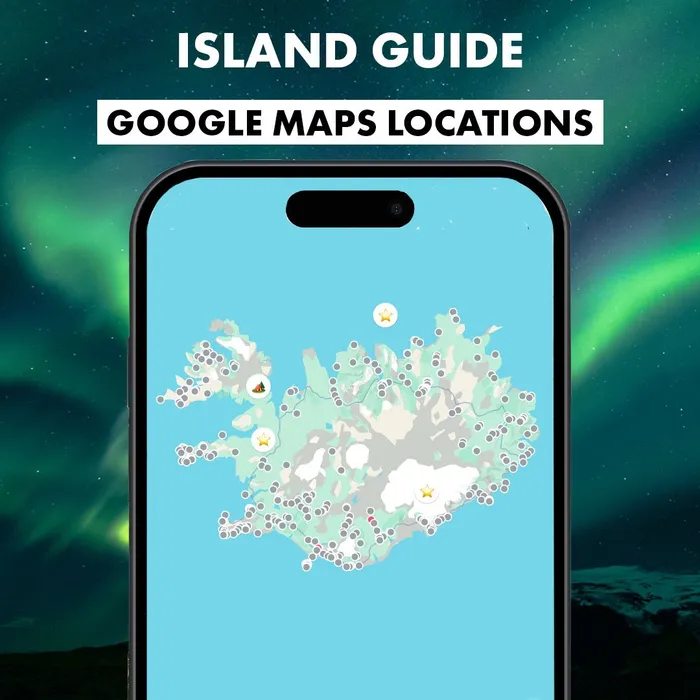
Ich war mehrfach in Island und habe alle Lieblingsorte und Geheimtipps in eine Google Maps Karte gepackt, direkt nutzbar auf deinem Handy.
- Sehenswürdigkeiten und alle Wasserfälle als eigene Karte
- Lieblingscafés und Restaurants
- Camping- und Stellplätze für Zelt und Wohnmobil
- Kostenlose Updates, lebenslanger Zugriff
Best time to visit Iceland
We think you can travel to Iceland all year round. We love the summers with their long days as well as the dark winters with lots of snow and, above all, northern lights. In summer, besides the Ring Road, the roads in the highlands are open too, you can see puffins and whales, and the weather is more stable.
- Thanks to the warm Gulf Stream, Iceland has a mild climate.
- The best time to visit: June, July and August. That’s peak season. Rental cars, campers and accommodation are expensive and often booked up a year in advance.
- Would you like to experience winter in Iceland? Then November, February and March are ideal. I was here in March and expected more snow (which changed a week after I left). In winter you should book spontaneously on the ground, because snowstorms often close the Ring Road for days (especially towards the east and north).
- The weather is very changeable and can turn quickly at any time. Expect sun, fog and rain at any time. Even in summer you have to be prepared for snow in the highlands or in the north.
LegendBest time to visitGood time to visitLess suitable time
| Jan | Feb | Mar | Apr | May | Jun | Jul | Aug | Sep | Oct | Nov | Dec | |
|---|---|---|---|---|---|---|---|---|---|---|---|---|
| Best time to visit | Jan: best time to visit | Feb: best time to visit | Mar: good | Apr: good | May: best time to visit | Jun: best time to visit | Jul: best time to visit | Aug: best time to visit | Sep: best time to visit | Oct: good | Nov: good | Dec: best time to visit |
| Road trip | Jan: less suitable | Feb: less suitable | Mar: less suitable | Apr: less suitable | May: good | Jun: best time to visit | Jul: best time to visit | Aug: best time to visit | Sep: best time to visit | Oct: good | Nov: less suitable | Dec: less suitable |
| Hiking | Jan: less suitable | Feb: less suitable | Mar: less suitable | Apr: less suitable | May: good | Jun: best time to visit | Jul: best time to visit | Aug: best time to visit | Sep: best time to visit | Oct: good | Nov: less suitable | Dec: less suitable |
| Winter | Jan: best time to visit | Feb: best time to visit | Mar: good | Apr: less suitable | May: less suitable | Jun: less suitable | Jul: less suitable | Aug: less suitable | Sep: less suitable | Oct: less suitable | Nov: good | Dec: best time to visit |
| Highlands & Laugavegur | Jan: less suitable | Feb: less suitable | Mar: less suitable | Apr: less suitable | May: less suitable | Jun: good | Jul: best time to visit | Aug: best time to visit | Sep: good | Oct: less suitable | Nov: less suitable | Dec: less suitable |
| Puffins | Jan: less suitable | Feb: less suitable | Mar: less suitable | Apr: less suitable | May: good | Jun: best time to visit | Jul: best time to visit | Aug: good | Sep: less suitable | Oct: less suitable | Nov: less suitable | Dec: less suitable |
| Northern lights | Jan: best time to visit | Feb: best time to visit | Mar: best time to visit | Apr: good | May: less suitable | Jun: less suitable | Jul: less suitable | Aug: less suitable | Sep: good | Oct: best time to visit | Nov: best time to visit | Dec: best time to visit |
| Glacier hikes & ice caves | Jan: best time to visit | Feb: best time to visit | Mar: best time to visit | Apr: good | May: less suitable | Jun: less suitable | Jul: less suitable | Aug: less suitable | Sep: less suitable | Oct: good | Nov: best time to visit | Dec: best time to visit |
| Fewer tourists | Jan: good | Feb: good | Mar: good | Apr: good | May: good | Jun: less suitable | Jul: less suitable | Aug: less suitable | Sep: good | Oct: good | Nov: good | Dec: good |
Iceland climate table
DayNightRainy days
DayNightRainy days
Climate table with all values
Temperature:below 0 °C0–9 °C10–16 °C
Swipe for all months →
Measured at the stations Reykjavik and Akureyri, average 1991–2020 (German Weather Service (DWD)). Rainy days = days with at least 1 mm of rain.
Here are a few impressions from March, May, June and July.
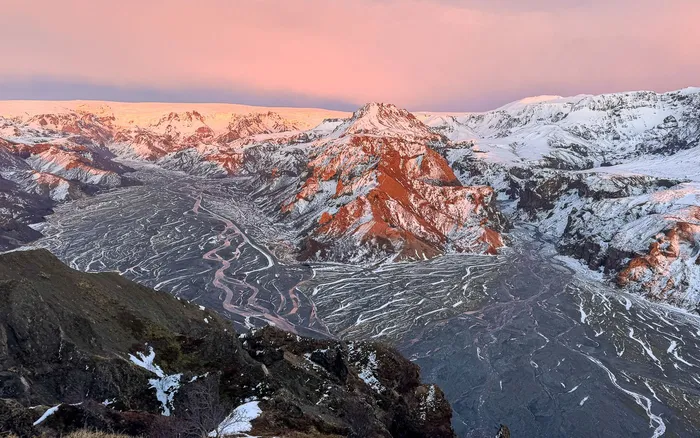
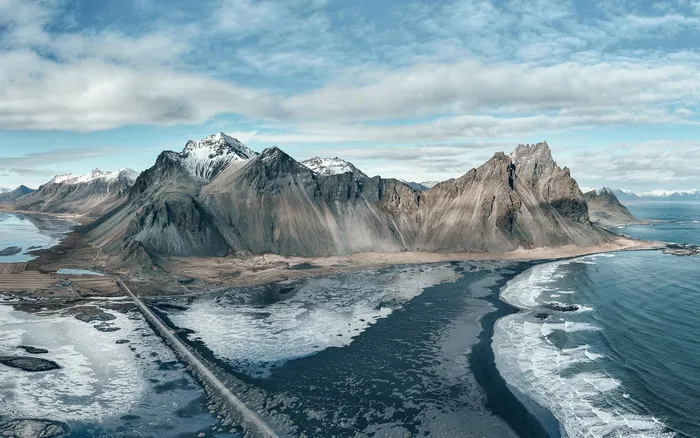
Crystal Ice Cave
 Múlagljúfur Canyon, Iceland
Rauðisandur, Westfjords, Iceland
How many days do you need in Iceland?
For the most important sights along the Ring Road, you should plan at least 10 to 14 days. 2 to 3 weeks is more relaxed. Then you can also make detours into the highlands or the Westfjords. Only have 5 to 10 days? In that case, focus on Reykjavík, the Golden Circle and South Iceland.
For the highlights of the Ring Road we recommend at least 10 to 14 days. That way you can see the places at a leisurely pace without rushing. In summer around midsummer the days are long, of course, and the sun doesn’t set. Then you have the whole day for exploring. In winter many roads are closed and the days are short. Keep that in mind when planning your trip.
Stopovers in Iceland on the way to Canada or the USA are popular too. Then you can explore Reykjavík and the Golden Circle in 1 to 3 days.
Getting to Iceland
There are two ways to get to Iceland:
- With your own car on the ferry from Denmark to Iceland with Smyril Line
- By plane to Keflavík (near Reykjavík) or Akureyri (in the north)
Getting to Iceland by ferry
In summer, the Smyril Line ferry company sails twice a week from Hirtshals (Denmark) via the beautiful Faroe Islands to Iceland. The crossing takes almost two days. The destination port, Seyðisfjörður, is in the east of Iceland. So in our opinion the ferry is only worth it if you have at least 14 days (more like longer) and bring your own car or campervan. The earlier you book the ferry, the cheaper it is.
Flying to Iceland
Direct flights are a quick and comfortable way to reach this fascinating country. From Germany, the flight from Frankfurt to Reykjavík takes about three hours. Icelandair and Lufthansa offer direct flights to Reykjavík (Keflavík).
How much do flights to Iceland cost?
From Germany you can find return flights from as little as €130 if you book early. It’s cheapest in November, when the days are very short. Statistically, the cheapest month is April, as an “in-between month”: the summer tours haven’t started yet, and the winter tours are already over.
Note: most flights land in Iceland late at night, often after midnight. So it can be a good idea to book your first night near the airport.
Condor is apparently soon adding flights to Akureyri (AEY) in the north and Egilsstaðir (EGS) in the east of Iceland.
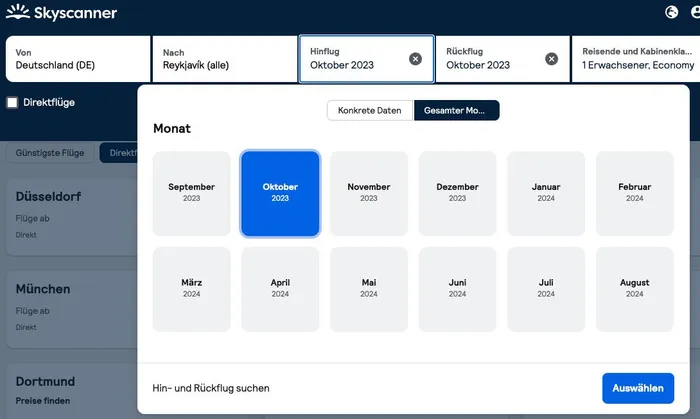
Are you flexible about when you travel? Then you can find the cheapest flights to Iceland on KAYAK by viewing the whole month (or a period such as May to October):
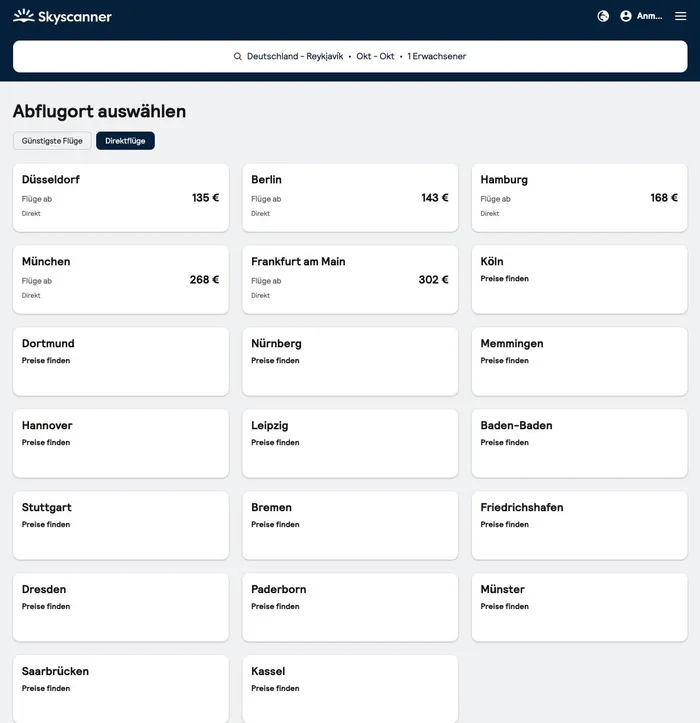
If you’re also flexible about where you fly from, you can simply enter a whole country instead of a single airport.
Entry requirements for Iceland
Iceland isn’t part of the EU, but it is part of the Schengen area. EU citizens can enter with an ID card or passport, and UK and US citizens with a passport. You can stay for up to 90 days without a visa. Your document must be valid for your whole trip. Nobody ever asked to see our travel documents. If minors are travelling alone, they should carry a letter of consent from their parents.
Pay attention to the customs rules, especially if you want to bring alcohol or tobacco. There are limits you have to stick to. If you arrive with your own car or camper, be very careful. When we arrived, expedition vehicles were checked, and when we left we watched Icelandic customs inspect every car. If you have too much alcohol or forbidden food with you, it can get expensive.
There are also strict rules for fishing and riding gear: fishing equipment must be proven to be disinfected, and riding clothes cleaned right before the trip. Used leather saddles and bridles can’t be brought in at all. Bringing pets is difficult, because they need a permit and have to spend two weeks in quarantine.
How to get from Keflavík International Airport to Reykjavík
When you fly to Iceland, you land at Keflavík International Airport, 50 kilometres away. From there you have four ways to get to Reykjavík:
- Rental car: you pick up a rental car right at the airport. On a city break this doesn’t make much sense, though, because you don’t need a car in Reykjavík itself.
- Shuttle bus: the Flybus leaves right outside the airport exit. Departure times are matched to arriving flights and are flexible. One way costs about €25, return about €45. The bus stops at the Reykjavík BSÍ bus terminal. From there it’s about another 10 minutes’ walk to the city centre. Pick-up and drop-off at your accommodation costs about €7 extra. Tickets are available online here or on site. (Prices: as of January 2022)
- Taxi: taxis run too, of course. At ISK 15,000, about €100, they make a big hole in your travel budget.
- Private shuttle: if you want it stress-free and private, you can book a shuttle service on Tiqets straight to your accommodation.
Our recommendation: since Iceland is best explored by rental car, you should rent a car from the airport. We always check Sunny Cars first, because lots of extras are included with this provider (a second driver).
As arrival times are often late in the evening, we also recommend spending the first night near the airport (for example at Guesthouse Seaside).
Road trip with your own car or campervan
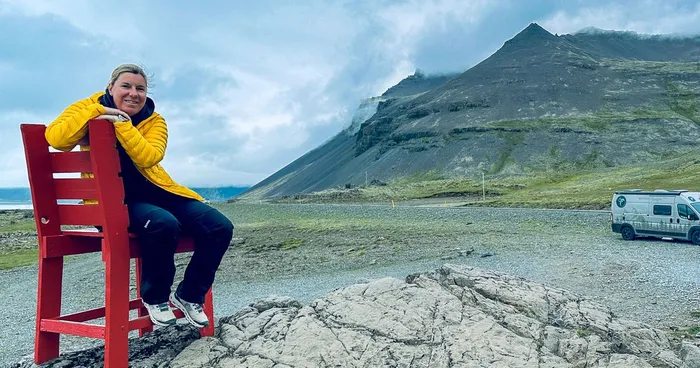
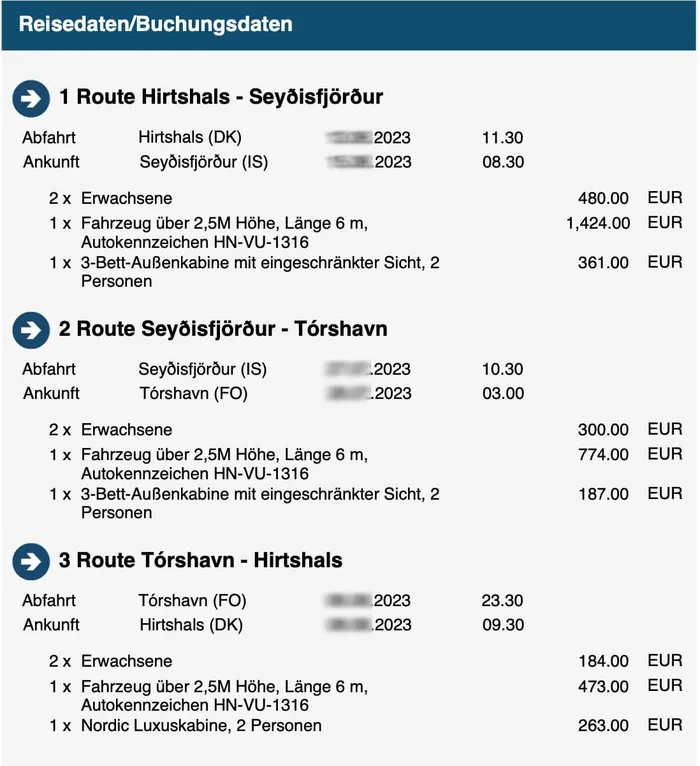
I spent 8 weeks in Iceland with my own campervan. The Smyril Line ferry from Hirtshals (Denmark) takes you via the Faroe Islands to Seyðisfjörður in the east of Iceland. The crossing takes about 2 days (depending on the weather). On the way there’s a stop in Tórshavn, the capital of the Faroe Islands. On the way back I took a three-day stopover (at no extra cost) on the Faroes. I’d been there before, so out of 8 weeks in total (including getting there and back) I only spent 3 days there.
You’ll find detailed information (there are also campervan packages) on the Smyril Line website. Our ticket for two people with a campervan cost a lot. But renting a car with accommodation, or a camper on the ground, would have cost far more.
Cost of the Smyril Line ferry to Iceland for 2 people with a campervan (up to 6 m, Peugeot Boxer):
Renting a car in Iceland
The most important thing on an Iceland road trip is the rental car, unless, like me, you travel to Iceland with your own campervan. It’s important to be clear beforehand about what kind of car you need. In winter a 4x4 rental car is a must; in summer you can also do your Ring Road trip in a small car. The Ring Road is paved.
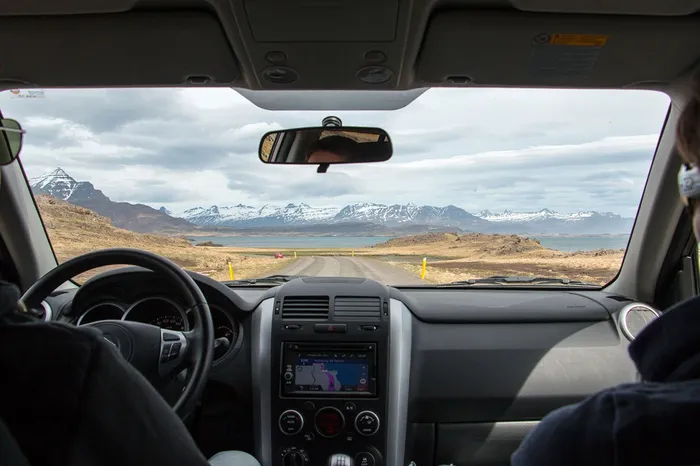
We prefer a jeep or SUV with more ground clearance. They’re also a lot more comfortable, because you reach many of Iceland’s sights on gravel roads full of potholes.
The choice also depends on your budget. Prices vary a lot with the season. In June, a rental car from Reykjavík costs around 1.6 times as much as in November, the cheapest month, and in July and August more than twice as much. The cheapest small cars are often booked up weeks in advance in summer, so book as early as possible.
| Month | Average rental price from Reykjavík |
|---|---|
| November (cheapest month) | around €83 |
| June | around €133 |
| July | around €183 |
| August | around €195 |
Source: price barometer by billiger-mietwagen.de, as of November 2026. The prices are averages from searches and change all the time.
Iceland is getting more expensive every year.
In March we paid €422 a week for a small SUV (automatic). As you can see, prices go up year after year. There no longer seems to be a real off-season.
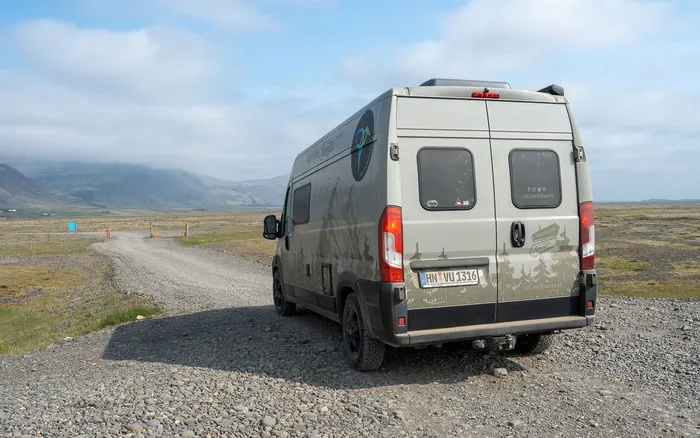
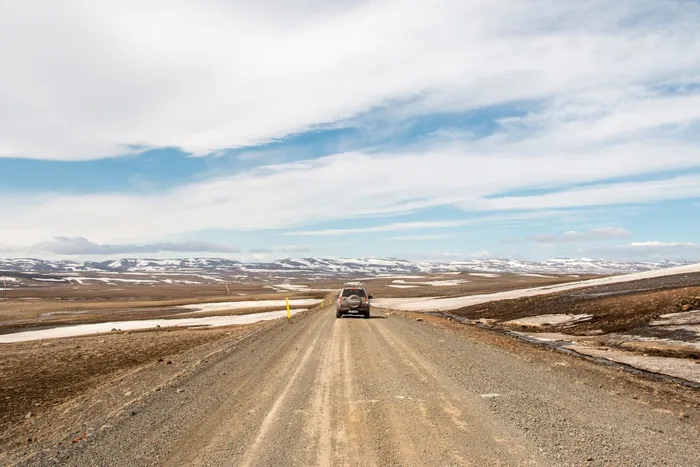
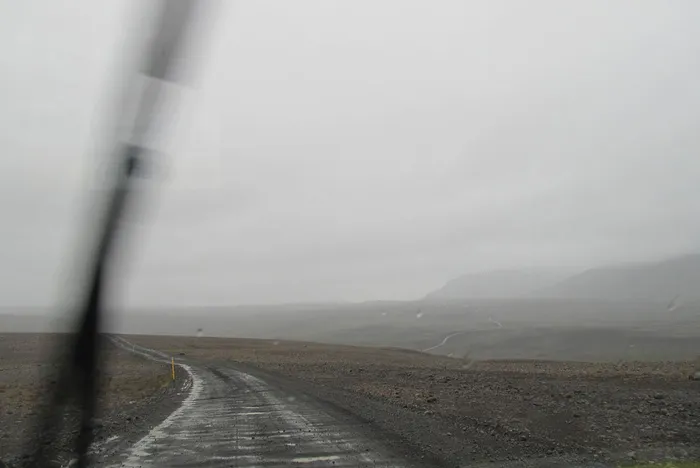
This gravel road looks harmless but gets very bad later on. Officially you’re not allowed to drive it with a rental car, because there’s a 4x4 sign at the entrance. We’ve driven this route not only with my camper but also in winter with a rental car.
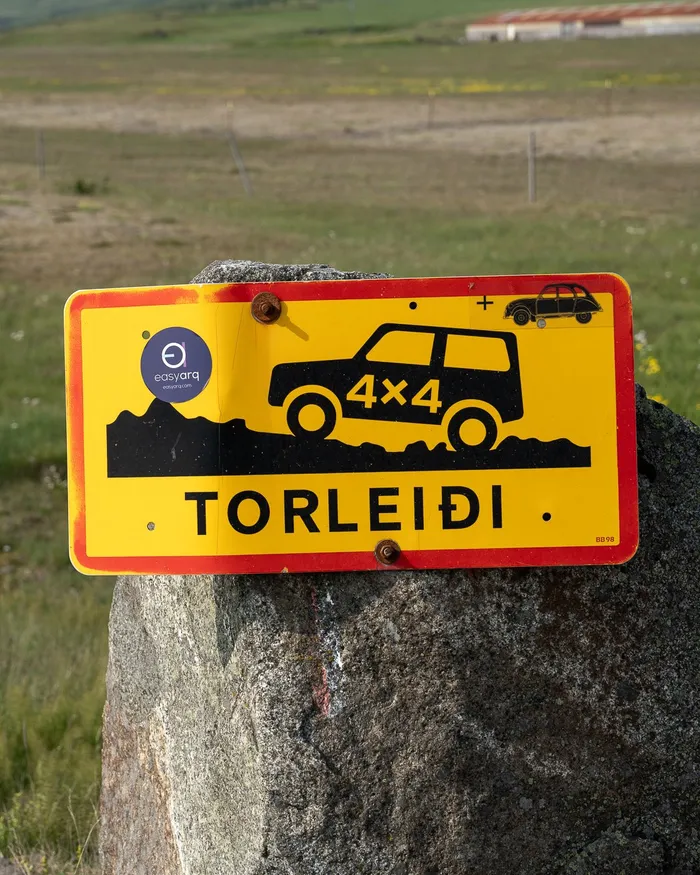 Driving in Iceland: gravel roads with a 4x4 sign are off-limits for rental cars
Which rental car should I book?
So that you can fully enjoy the trip and Iceland’s amazing roads, I recommend spending a bit more and renting an off-road vehicle with 4x4. A normal small car is enough, though, if:
- Are you only driving the Ring Road? Then a normal car (small car) is enough.
- Are you planning to drive into the highlands or the Westfjords too? Then a 4x4 off-road vehicle is a must. For unpaved roads, the so-called “F-roads”, you need a 4x4 car. These roads are only open to 4x4 vehicles. If you’re caught here with a normal car, expect a hefty fine. You also lose your insurance cover with the rental company.
- More and more rental cars are fitted with GPS trackers. Check carefully which provider lets you drive off the paved roads.
- Are you travelling to Iceland in winter or spring? Then you should also rent a 4x4 jeep. In the winter months practically all rental cars have studded tyres. That’s completely normal in Scandinavia from November (sometimes already in October). However, there are plans to phase them out because they damage the asphalt. We insisted on them, and it was a good thing we did. Twice we had fresh snow that froze onto the road straight away.
- On gravel roads you get along twice as fast in a 4x4 jeep as in a small car. Instead of 20 km/h you can do 40 to 50 km/h. We don’t recommend going any faster on gravel anyway. Grip decreases, and the risk of an accident goes up.
What to look out for when renting a car
- Depending on when you travel, you should book in good time. In peak season you now have to book 1 year (!) before your trip. The same goes for good campervans.
- With my German driving licence I didn’t need an international driving permit. Check the rules for your licence with your rental company.
- Be sure to read the small print in the rental terms! Especially when it comes to damage. I would definitely always take out extra insurance for stone chips again. You never know who’s coming towards you and how fast (included with Sunny Cars).
- Check carefully which roads you’re allowed to drive. Providers install GPS trackers and charge a high penalty if you drive on unpaved roads. Some F-roads without river crossings are allowed. Ask your rental company.
- Compare prices and also ask the rental companies directly to get possible discounts. Here are all my tips for renting a car abroad.
- Additional drivers now cost extra with every provider. For 2 weeks we paid €44.
Renting a car? Here's how I do it
I usually search on Discover Cars or Booking.com Cars and compare prices with Sunny Cars, my go-to for most countries.
Tips for booking a rental car Can you rent a car without a credit card?
 4x4 with a snorkel: a friend’s Toyota Land Cruiser from mycar.is was ideal for river crossings and our highland tour.
For Iceland’s highlands I recommend ISAK 4x4 and mycar.is. With these rental companies you can drive on Iceland’s official highland roads, which are marked with an “F” and officially open to traffic, as long as the vehicle is an approved 4x4 for F-roads. Even with these vehicles, though, your insurance cover is void if you “sink” the car in a river crossing. Then you pay for a new car.
 ISAK 4x4 jeep, ideal for Iceland’s highlands
No 4x4 rental car for the highlands?
With my camper (a Peugeot panel van) I couldn’t go into the highlands. So here are my tips for you: book tours to the most beautiful corner of Iceland. We went to Askja and the Laki Craters on a super jeep tour, and hiked the Laugavegur Trail (organised by Travelbase) in Landmannalaugar and Þórsmörk. Since friends live in both places, it was also child’s play to get to the region in their cars.
Iceland without a car
Don’t want a rental car because you prefer travelling by bus (or don’t have a driving licence)? Iceland without a rental car is easy if you only want to visit Reykjavík, the Golden Circle and South Iceland as far as the glacier lagoon. Beyond that it gets difficult.
The bus network of Nord Adventure Travel (NAT) is well developed, but the further you get from Reykjavík, the more complicated it becomes. The more remote a place is, the less often the route is served, of course. Sometimes only once a day. And then you have to book excursions on the ground, which are very expensive in Iceland.
Because we much prefer to be flexible and stop spontaneously when we like a place, we’d rather travel by car. Of course we still want to point out the alternatives. But you have to be aware that you won’t get everywhere, or will have to book an expensive tour.
- You’ll find bus timetables and route maps on the NAT website.
- More info is available in this Facebook group, where we also checked the current road conditions.
What to pack for Iceland
The weather is very changeable both in winter and in high summer. In summer we had everything apart from snow: from constant rain at 5 °C to blue skies at 25 °C, plus storms. In winter I mostly packed the same clothes as in summer, except for my snowboard jacket, warmer gloves and a fleece buff. In Iceland, layering always helps.
What you pack depends on how you travel: are you sleeping in a tent or a camper? Are you staying in accommodation (Airbnb, hotels or apartments)? Are you doing the multi-day hike on the Laugavegur Trail like me and need a good hiking backpack?
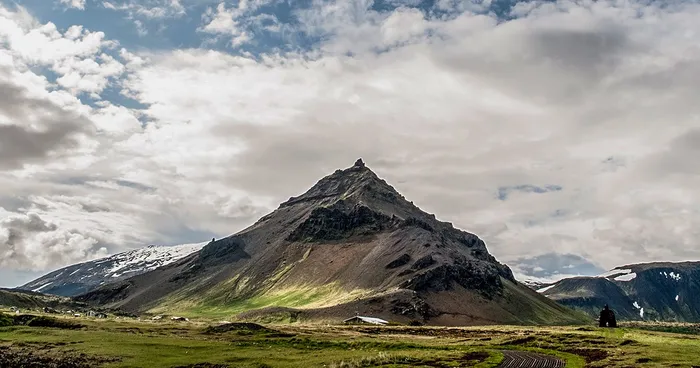
The weather in Iceland is as changeable as a three-year-old’s mood. So you should pack luggage that prepares you for anything. Since it depends on whether you’re travelling with a tent, sleeping in the car (camper or roof tent) or staying in accommodation, have a look at the detailed Iceland packing list.
Layering: dressing in layers is the way to go in Iceland. When packing, choose clothes you can put on and take off in layers. A rain jacket (Gore-Tex) and rain trousers are essential, as is a thin down jacket and proper hiking boots for hiking; depending on the season, a hat, gloves and sunglasses. Add a softshell jacket or a fleece. On some days, long underwear (merino) or warm leggings are a good idea.
One thing I can tell you for sure: jeans are perfectly fine in summer, but I prefer (thermal) hiking trousers. Trekking shoes are always good, because many sights are reached on gravel paths and you’ll slip in trainers. If you’re only visiting the Golden Circle and the main highlights in the south, trainers are enough. In pouring rain (which comes sideways in Iceland), though, expect soaking wet shoes within a short time. That’s why I always take my high hiking boots to Iceland.
The following things should never be missing from your luggage on a trip to Iceland. They’re ideal for layering, which we recommend to you too. Even though it’s expensive, we’d never skimp on good outdoor clothing (ideally merino and Gore-Tex). Get advice at a good outdoor shop. We love Globetrotter, because the shop is near us and the staff are pros when it comes to outdoor clothing. In Iceland there’s 66North, who make the best clothing for Iceland. I’ve stocked up on new clothes (Gore-Tex+) on every trip too. I’ve never been warmer and drier on the road.
Electricity: Iceland uses type C/F plugs at 230 V. You don’t need an adapter from the EU, but you do from the UK and the US.
 For hikes in the Icelandic highlands you need a hat, gloves and a scarf even in summer.
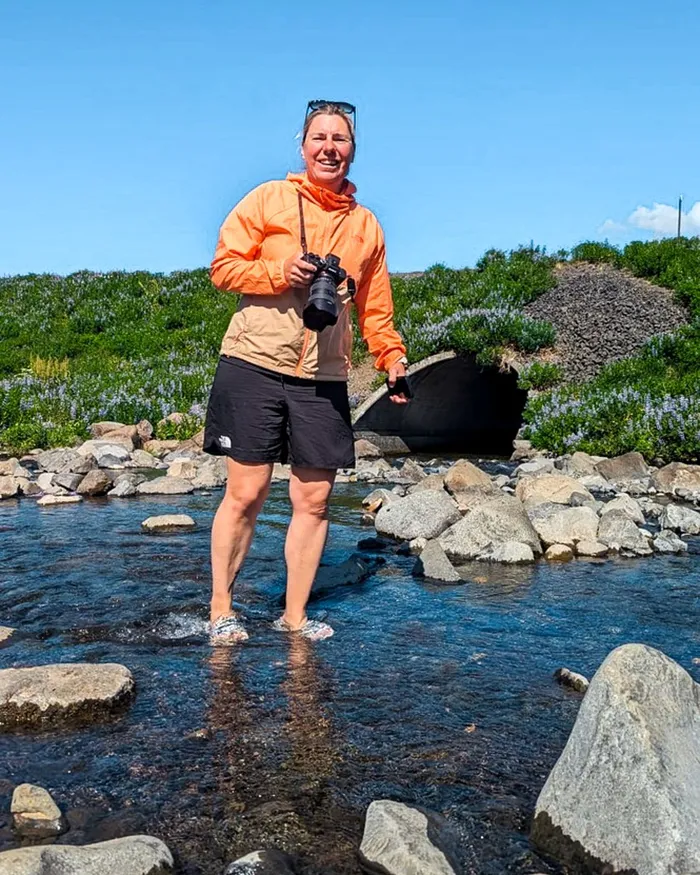
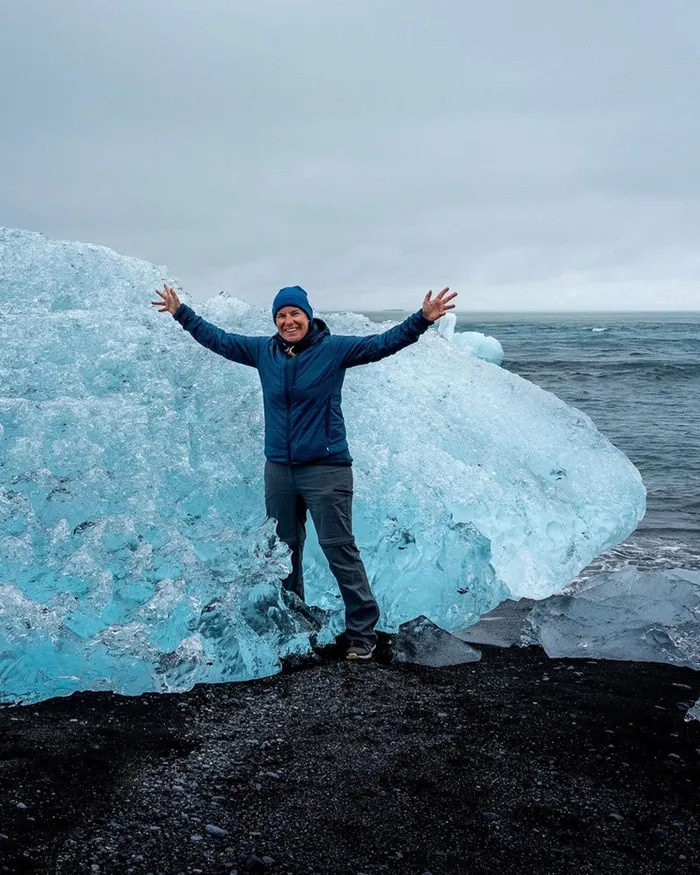
Iceland itinerary ideas for your road trip
Whether you’re planning a stopover of a few days, a long weekend or a trip of several weeks: you should definitely leave the capital Reykjavík to explore some of the highlights.
One thing is certain: in the land of fire and ice you’re never safe from the unexpected. A volcano could erupt, a storm could sweep across the island or roads could be closed because of a snowstorm. Be prepared to change your plans. It happens less often in summer, but nobody can predict the forces of nature and the volcanoes.
That’s why you should always keep an eye on road and weather conditions. Use the safetravel.is and vedur.is apps for that.
Iceland travel stories with tips
Route for 4 to 7 days
For a stay of up to 7 days, we recommend these highlights in southwest Iceland: Reykjavík and the classic Golden Circle: Þingvellir National Park, Gullfoss waterfall, Geysir and Strokkur. Add the Kaldidalur track in the west with views of the ice caps, Langjökull (caves and snowmobile tours) and the Snæfellsnes Peninsula.
10 to 14 days
While many people drive the Ring Road in this time, I recommend focusing on the south. There’s so much to see and do as far as Höfn that 14 days fly by. Reykjavík, Selfoss, Vík, tours to Þórsmörk, the glacier lagoon and glacier tours, Svartifoss, Höfn, Vestrahorn and the Laki Craters tour. For me, the most beautiful part of Iceland. I’d suggest saving the north for another trip.
For the classic Ring Road route you need at least 10 days. You’ll pass Iceland’s most popular attractions. It’s always good to have a buffer day, for example for whale watching in Húsavík. If you didn’t see any whales, you can do the tour again the next day.
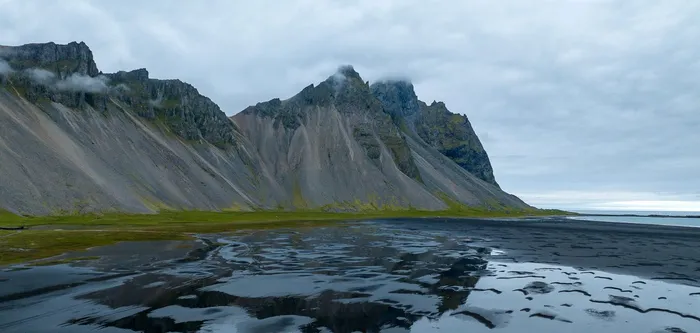
14 to 21 days
Do you have more than 14 days for your road trip? Then it’s definitely worth exploring the Westfjords and the Diamond Circle. You can easily combine the Westfjords with the Ring Road, which saves you about 200 km. For the Westfjords I recommend allowing at least 4 days, because there’s a lot of driving involved. With this much time you can visit the off-road paradise of the highlands. Unfortunately my camper isn’t a 4x4, so we have to join tours or check carefully which roads (F-roads) we can drive.
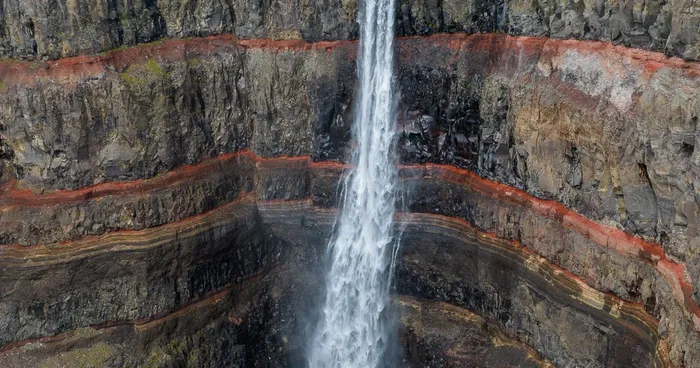
Rauðisandur, Westfjords, Iceland
Where to stay in Iceland
For a good night’s sleep you’ll find the full range of accommodation in Iceland. The only deciding factor is your budget. You can stay in a high-end luxury hotel or in a tent at a campsite (read my tips for camping in Iceland or about travelling to Iceland with a campervan).
Staying overnight in Iceland can get really expensive. For one night in Iceland you should budget at least €100 to €120. Reykjavík is more expensive. The cheaper and more flexible alternative is a rental car with a tent, a car with a roof tent or a campervan. All of these are possible.
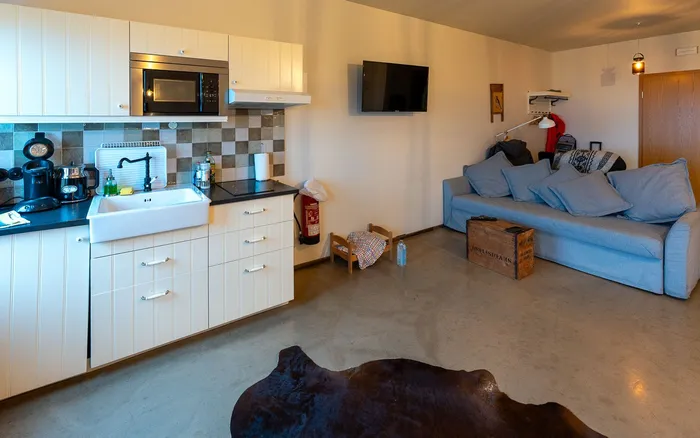 The Garage, the most beautiful accommodation in South Iceland
 Hotel Katla in Vík, Iceland
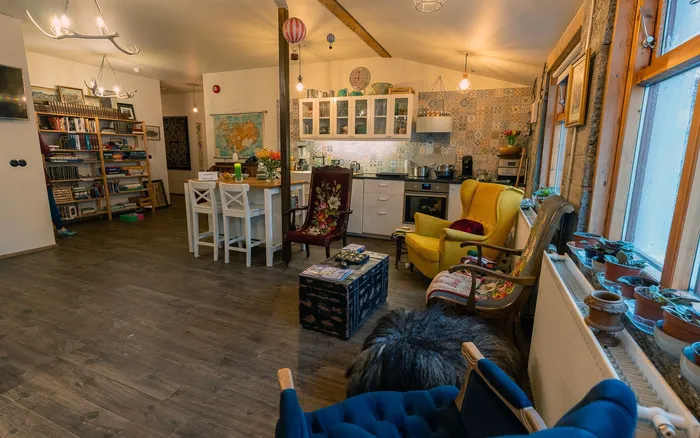 Common room at “The Garage” in the south of Iceland
As a rule: book your accommodation for June to September a year in advance if you can. Tourism in Iceland is still booming. There are many places to stay in Iceland, but they only have a few beds. Especially the places that get recommended a lot on blogs are booked up months in advance.
In summer you’ll only get last-minute accommodation with a lot of luck. In spring and autumn you’ll have more success. In winter the places you can reach are often limited, so almost everything is concentrated around Reykjavík, Reykjanes, the Golden Circle and the south as far as Vík.
Book your hotels or apartments as soon as possible after booking your flights.
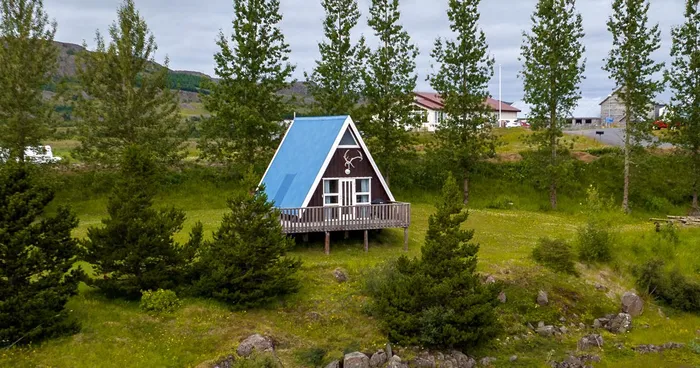
Looking for a hotel?
I usually find my hotels on Booking.com or Expedia.
Camping in Iceland with a tent or campervan
The cheaper and more flexible alternative to expensive accommodation is camping. Either with a tent, simply with a car and roof tent, or a bit more luxurious with a camper. There are more than 200 campsites on the island. Wild camping in Iceland is not allowed. Please respect the rules, because you’re only a guest.
The campsites are basic but often well located and, by Icelandic standards, cheap.
Per person and night you usually pay between 1,300 and 2,500 ISK (around €10 to €18), and electricity and showers often cost extra. That said, we never paid more than €20 for two people and a car with a tent.
Make sure your tent isn’t a tall one. We chose a tunnel tent from Wechsel (for the Laugavegur trek) after being advised to. Unfortunately, after a storm the poles were so bent that after the trip I exchanged it at Globetrotter for another tent that had proved itself with fellow travellers: the MSR ELIXIR 3 dome tent.
Campsite opening times
It’s important to know that many campsites are only open during the main season, from April or May to September or October. Some even close at the end of August. You can usually still use the sites in the off-season, but then the facilities (showers, toilets and electricity) aren’t running. Keep that in mind!
The tourism website currently lists 213 campsites spread across the whole island.
Wild camping is not allowed!
Whether you’re travelling with a tent, a roof tent or a camper: wild camping is not allowed in the national parks or in the south! It’s illegal and comes with high fines if you’re caught. Please respect the rules, even though you still often see people wild camping in Iceland on Instagram.
Camping outside designated sites (campsites) is only allowed in very few places and only under certain conditions. On private land outside campsites, you may only stay overnight with the owner’s explicit permission.
How expensive is a trip to Iceland?
At this point I’d like to clear up a few prejudices that might be keeping you from travelling to Iceland:
- Iceland is an expensive destination!
No question, Iceland is one of the most expensive destinations in Europe. After the banking crash in 2008 it was cheaper for a short while, but prices have risen considerably again since. You can still save money: from Germany you can find flights in the off-season from around €130, and on the ground it helps to book early and cook for yourself. - It’s too far away!
A direct flight from Berlin to Keflavík takes around 3 hours 45 minutes. That’s only about an hour longer than to Barcelona. - You need a full set of outdoor gear!
No question: Iceland’s landscape and weather aren’t for everyone. But as with so many destinations, it depends on what you want to do. Do you want the extreme outdoor adventure of a 10-day hike including a glacier climb? Then you should set off well equipped. But if it’s going to be a road trip with the odd hike and a few camping stops? Then you don’t need to set off with super expensive equipment. There are lots of ways to kit yourself out cheaply but well enough.
As you can see, it’s not half as bad as it sounds. We’re already a big step closer to your Iceland trip.
My first trip to Iceland in May and June lasted 14 days in total: one week in the off-season and one week in peak season. The jump between those two weeks was especially noticeable in accommodation prices. That’s why we decided to only camp in the second week. The cost per person, travelling as two and sharing the costs, was around €1,500 per person back then (including flights and rental car).
If you stay in accommodation instead of a tent, expect €120 a night for a double room in a mid-range hotel. Camping is much cheaper.
An Icelandic SIM card (10 GB) costs about €20. Síminn is the biggest provider and has the best coverage. Info on their website. Our German mobile contracts include Iceland, though, so we don’t need a SIM card there. Check whether your own plan covers Iceland.
You’ll find Wi-Fi everywhere in Iceland. You can’t really get around the country without it. Many cafés, libraries, hotels and hostels, even the domestic airport in Akureyri, offer free internet access.
Money and currency in Iceland
In Iceland you pay with the Icelandic króna (ISK). The exchange rate fluctuates, of course, but you can roughly reckon with 1 euro = 137 ISK (as of November 2026).
Despite the 2008 financial crash, Iceland is without doubt one of the most expensive destinations in Europe. Be prepared for that and factor it into your planning. Food, especially meat, fruit and vegetables, costs about a third more than in Germany. In restaurants you can easily pay €20 to €30 for a simple dinner without drinks.
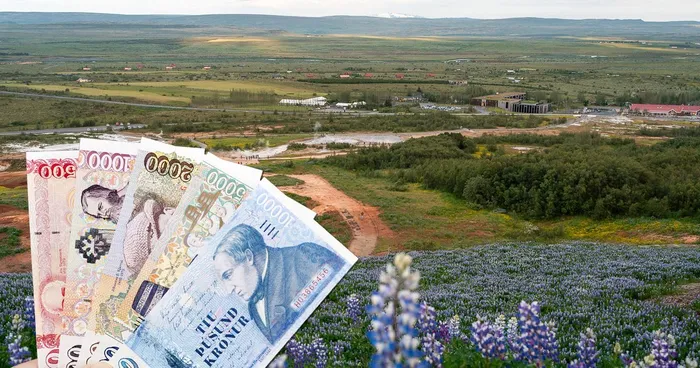
Withdrawing money & credit cards in Iceland
You’ll find banks and, above all, ATMs where you can withdraw money in every small village. But Icelanders actually pay for everything (except the public bus in Reykjavík) by credit card.
Your debit card with PIN will of course work in Iceland too, but your bank may charge a foreign transaction fee. You can avoid that with a card without foreign transaction fees. As a German resident, I use the free DKB card, which lets me withdraw cash and pay for free worldwide. That’s how I’ve been travelling without any problems for years.
Best travel credit card for Iceland
In 2026, the best free credit cards for travel (for German residents) are the TF Bank Mastercard Gold, the DKB debit card (with account) and the Revolut Mastercard. Wherever you're from, take at least 2 cards without foreign transaction fees, so you can almost always withdraw cash and pay for free abroad.
Currency & paying in Iceland Recommended travel credit cards + tips (for German residents)
Driving in Iceland
The traffic rules in Iceland are no different from those in mainland Europe or the US. You drive on the right. But the road conditions and weather are completely different. The Ring Road is paved, but as soon as you leave it, you quickly end up on gravel roads. These are very rough, stone chips are common and you can forget about driving fast. The so-called “F-roads” mostly lead towards the highlands and may not be driven without four-wheel drive (and a guide).
- Daytime running lights are mandatory
- Seatbelts are compulsory
- The speed limit is 50 km/h in towns, 90 km/h outside towns and 80 km/h on gravel roads
- don’t get carried away by the Icelanders, who definitely drive faster than 100 km/h outside towns
- Blood alcohol limit: 0.5
- Animals always have right of way! If you have an accident, you’re liable for the damage.
An absolute DON’T on Icelandic roads: stopping in the middle of the road to take photos! Believe me, you’ll want to do it all the time: the overwhelming volcano or the breathtaking fjord with its snow-capped mountains. But ask yourself: would you stop in the middle of a motorway at home? Probably not. So don’t do it in Iceland either, and use one of the many lay-bys instead. However empty the road looks, a lorry doing 120 km/h can appear out of nowhere.
Fill up regularly on the Ring Road, and never underestimate the warnings about the distance to the next petrol station. Take them seriously. Even if your tank is still half full, fill up! You never know whether you’ll take a wrong turn on a gravel road or find out at the end that the road is closed and you have to make a big detour.
Current traffic information is available on umferdin.is, the website of the Icelandic Road Administration (Vegagerðin), with a map, webcams and weather. More information on the road network is on Wikipedia.
Iceland guidebook recommendations
For a trip on the Ring Road I recommend the Lonely Planet Iceland guidebook (German 9th edition 2026). It’s small, light and compact, and covers all the important tips for the Ring Road from Reykjavík as well as the Westfjords, the East Fjords and information on the highlands.
Important! With any guidebook, make sure you use the latest edition if possible. Tourism in Iceland is developing so fast that things change all the time. We’re here regularly too and try to keep the blog as up to date as possible.
More Iceland guidebooks (in German): a great guide with beautiful photos and tips is “Island. Eine Augenreise”. For a campervan trip I found the explorer tours from the Womo series excellent. For hiking there’s the Rother hiking guide with GPS tracks.
Food in Iceland
Grocery shopping in Iceland isn’t exactly cheap, but compared with restaurant and café prices it’s a bargain. Since you’ll probably start your road trip in Reykjavík, I recommend stocking up on all your supplies there. You can always buy more on the road, but in Reykjavík the shopping is cheapest and the choice is biggest.
The so-called Aldi of Iceland is especially cheap: there are more than 25 BÓNUS stores in Iceland. In the larger towns you’ll also find Krónan, Nettó and other supermarkets. In the small villages there are rather no-name family shops, which you often have to look at closely to recognise them as shops at all.
Watch out for opening hours. Especially in rural areas, shops usually close at 6 pm, at weekends even at 2 pm.
Shopping and eating out is no problem in Iceland for vegetarians and vegans either.
Ice cream & hot dogs
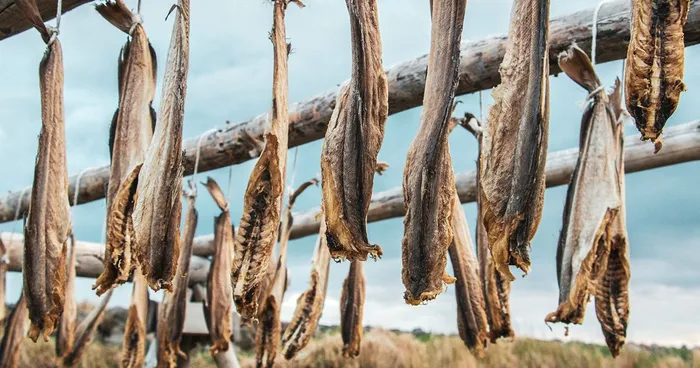
When you think of traditional food in Iceland, whale meat, dried fish and leg of lamb probably come to mind first. Some tourists also want to try cute puffins. But ice cream and hot dogs are among Icelanders’ favourite foods and just as typically Icelandic. Ice cream is eaten here all year round. You’ll find the most delicious ice cream (and surely the biggest scoops) at Valdís by the old harbour in Reykjavík. You can get hot dogs at every N1 petrol station, sometimes even in the supermarket.
Hot springs
A must-do in Iceland is a soak in the so-called hot pots! All over Iceland you’ll find hot springs in the middle of nature or in grottos. Icelanders meet here to spend time together or for the odd party. So you don’t miss a spot, I recommend the Hot Pot Iceland map, where you’ll find photos, information and directions to the hot springs.
Iceland tips & highlights from fellow travel bloggers
Before my first Iceland trip (a road trip) I was completely overwhelmed and asked travel blogger friends these questions:
- What were your highlights in Iceland?
- What didn’t you like so much about Iceland?
- What should I definitely see in Iceland?
- How much time should I take for an Iceland trip?
- Which lovely places to stay, restaurants, cafés or bars can you recommend?
- What was the most impressive moment of your Iceland trip?
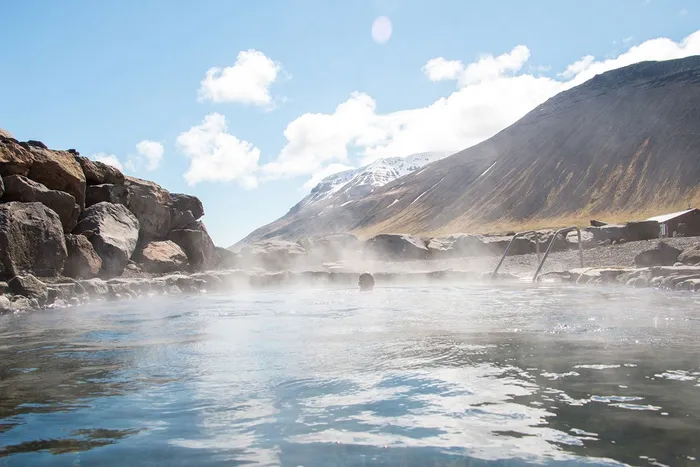
Soaking in the Grettislaug hot pot in the north of Iceland
(My brother Michi)
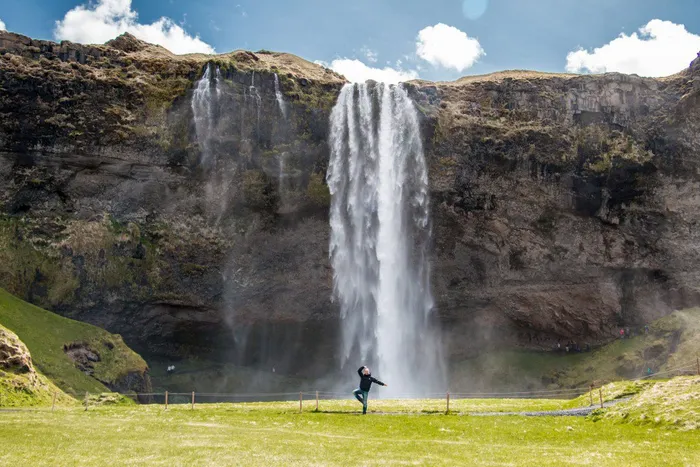
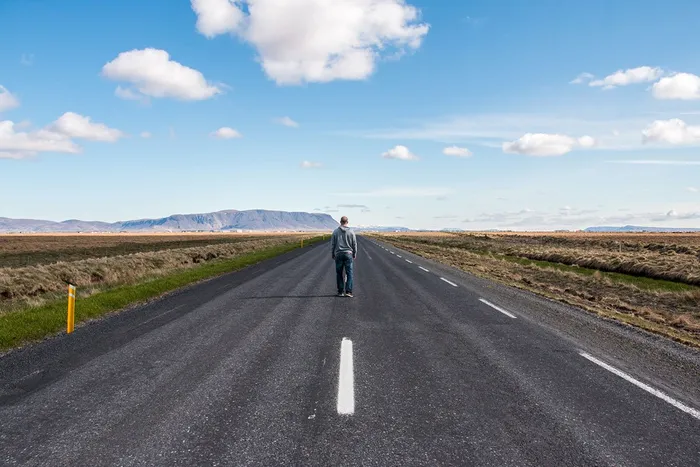
The whole Iceland road trip is a highlight in itself, one sight follows the next. The further you get from the touristy southwest, the more intense the experience becomes.
I wouldn’t recommend the Blue Lagoon: it’s totally overcrowded. There’s even a separate visitor entrance for tourists who only want to take a photo.
You should definitely drive all the way around the island on the Ring Road and not just see the southwest. Especially in the other regions of the island it’s much quieter, and you can enjoy the flora and fauna much more intensely. Whatever you do, don’t miss a soak in one hot pot or another.
My top activities in Iceland are:
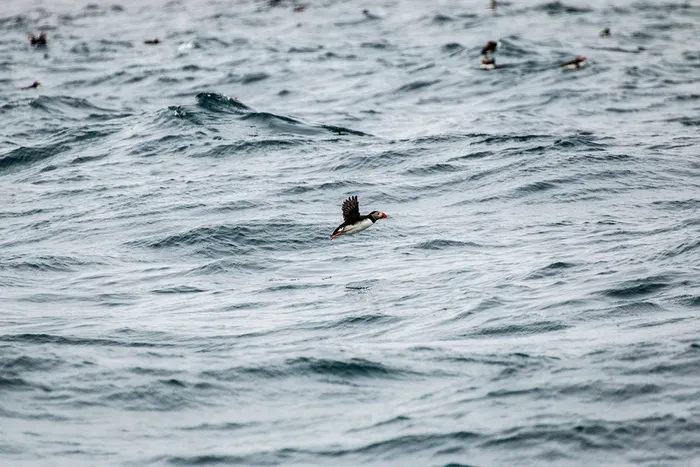
- Puffin Island in Húsavík
- Sea kayaking near Reykjavík
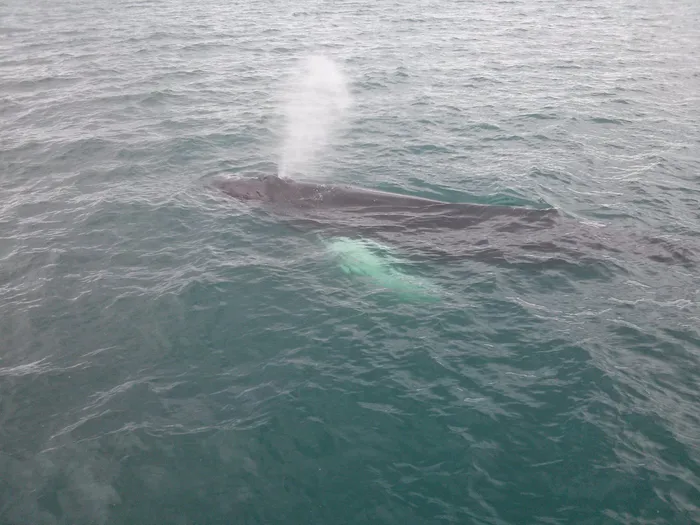
- Whale watching in Húsavík (unfortunately we only briefly saw the tail fin of a minke whale)
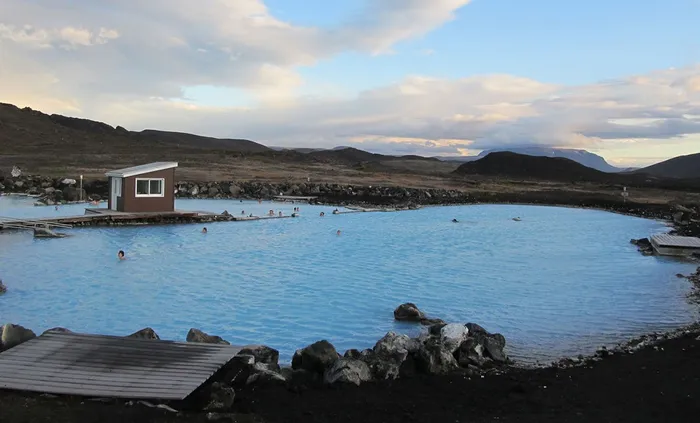
- Bathing in the Mývatn Nature Baths
- Visiting the many waterfalls
Plan at least 12 days for Iceland
A road trip around Iceland should last at least 12 days including getting there and back. If you want to visit the highlands or the fjords in the northwest, you need more time.
Which lovely places to stay, restaurants, cafés or bars did you discover in Iceland?
I can highly recommend the Airbnb “Studio apartment with ocean view” in Húsavík. It has a wonderful view of the bay, and the host Sólveig is very helpful.
In Reykjavík there’s a great café called “The Laundromat Cafe”, which I visited thanks to a tip from Marc. (Thanks a lot for that tip, Marc. You’ll find Marc’s tips further down.)
What was the most impressive moment of your Iceland trip?
The most impressive moment was soaking in the Grettislaug hot pot in the north of Iceland. Completely secluded, I bathed in water at 43°C, with waterfalls and the sound of the sea in the background.
About Michi
Michi isn’t just my little brother, he also came along on my four-week road trip through South Africa. He now has his own blog, where he shares great photos and videos of his outdoor adventures as well as his road trips to Iceland and South Africa.
Follow Michi on Instagram, Vimeo and Twitter.
Michi’s Iceland video with his personal highlights:
Spectacular natural wonders around every corner in Iceland
(Jana from Sonne & Wolken)
What were your highlights, and what didn’t you like so much?
Iceland taught me that spectacular natural wonders wait around every corner, often not even worth a mention in the guidebook: breathtaking waterfalls, beautifully located hot pots in the middle of nature or simply magical views of the sometimes almost unreal landscape.
I especially liked the Snæfellsnes Peninsula (article in German) (maybe also because in constant rain not that many tourists had found their way there), the area around Lake Mývatn and the south around the Jökulsárlón glacier lagoon (article in German), which is very touristy but still incredibly beautiful.
Looking back, I was less impressed by the sights along the Golden Circle, because they’re very crowded thanks to how easy they are to reach from Reykjavík.
Which activities should I definitely do?
As I only had 10 days for the whole Ring Road in Iceland, I unfortunately had to postpone many activities until my next visit. But I think the whale watching boat tours in Húsavík are an absolute must. Especially because the operators actively campaign against whaling, which is still a tradition in many places in Iceland.
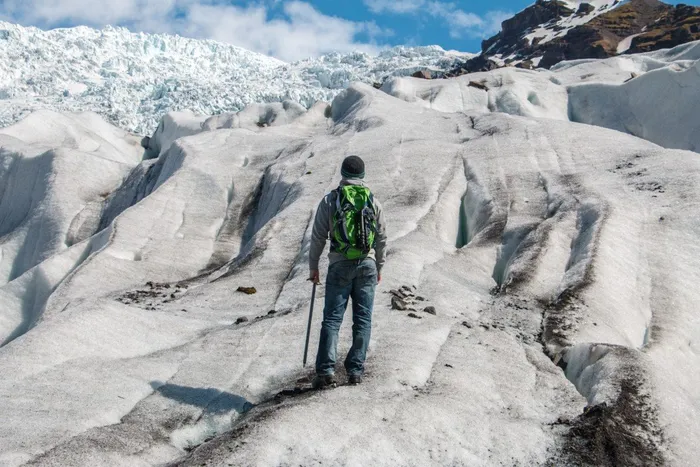
If you want to do a glacier hike, don’t go for the shortest taster tour (too short and unspectacular), book at least a half-day tour.
How much time should I take for an Iceland trip?
I think ten days really is the absolute minimum to drive the Ring Road and still have enough time to enjoy the landscape. 14 days or more would be better.
Which lovely places to stay, restaurants, cafés or bars did you discover in Iceland?
Accommodation and food are really expensive in Iceland, so I stayed in fairly simple guesthouses and ate at small snack bars or cooked for myself. An unexpected highlight, though, was a night in our own little log cabin in the middle of nature at Guesthouse Nýpugarðar, just 25 minutes from Höfn.
What was the most impressive moment of your Iceland trip?
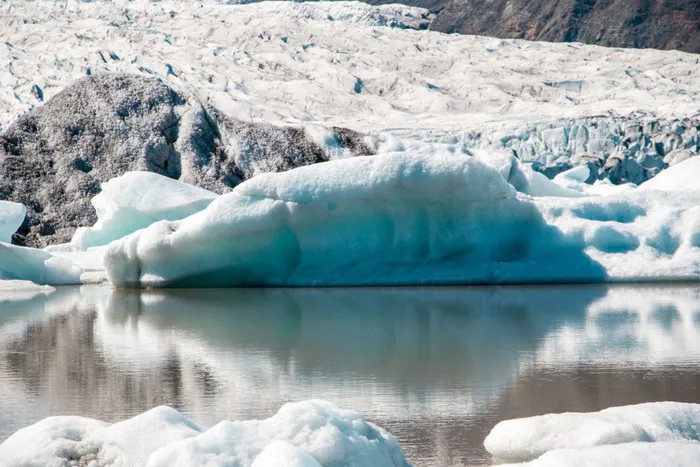
To be honest, like on no trip before, I barely stopped being amazed for the whole 10 days, that’s how much Iceland impressed me. But a real goosebumps moment was when we reached the Jökulsárlón lagoon by car and the first ice floes appeared in front of me. I hadn’t imagined it to be so huge and beautiful.
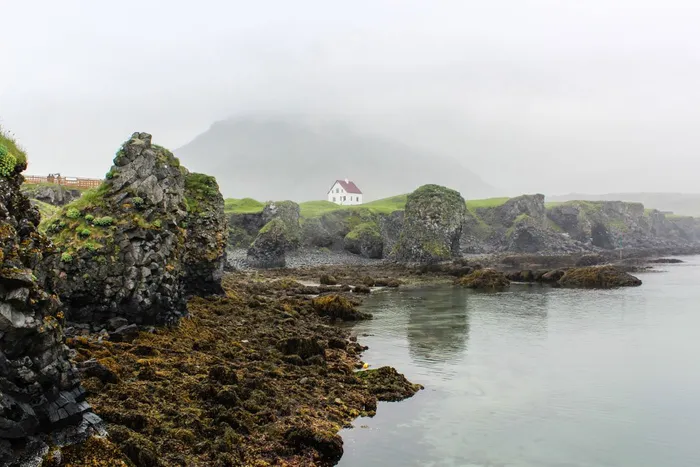
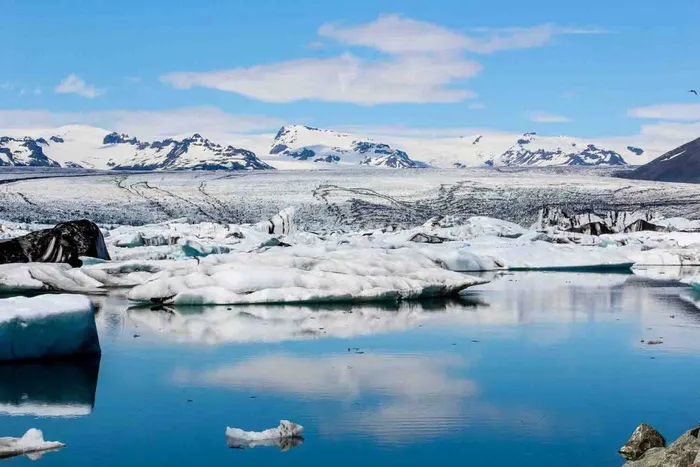
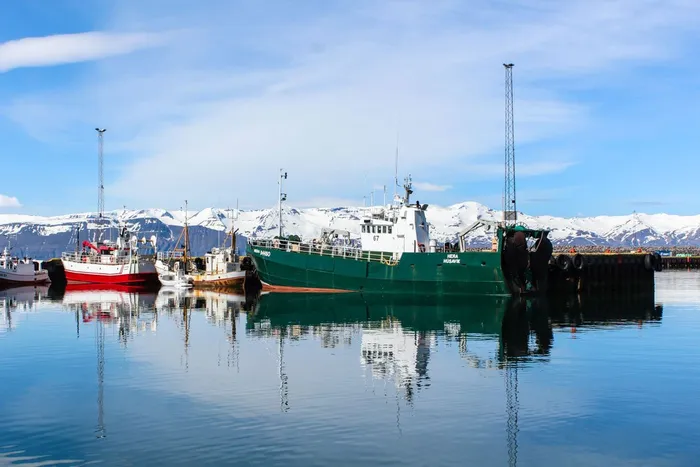
About Sonne & Wolken
Jana loves adventure, and not only when travelling, where she takes her readers along on her travel blog Sonne & Wolken (in German) true to the motto “The world belongs to those who enjoy it”.
Iceland in summer? Book fast!
(Inka from blickgewinkelt)
Whatever you want to do in Iceland: book early if you want to go in July or August. Iceland’s tourism is booming right now, and many places to stay are booked up for a long time ahead.
Inka’s tip: travel to Iceland in the off-season
My favourite landlady advises travelling outside the season. April, for example, is a great time: there’s a chance of good weather as well as northern lights, and the days are longer than in winter. A trip around the entire Ring Road isn’t possible then, though, that only works in summer.
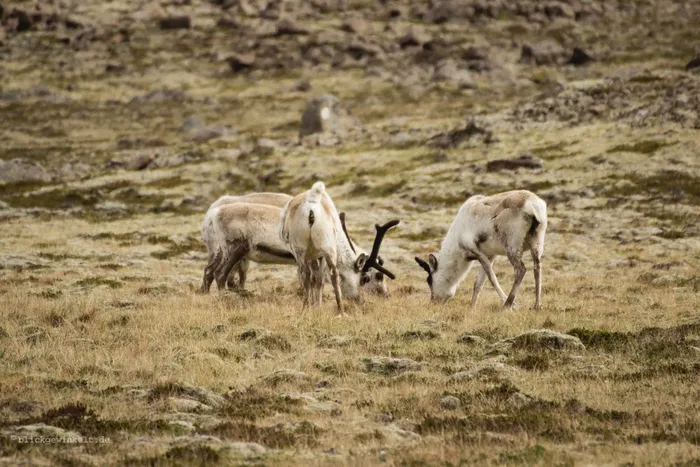
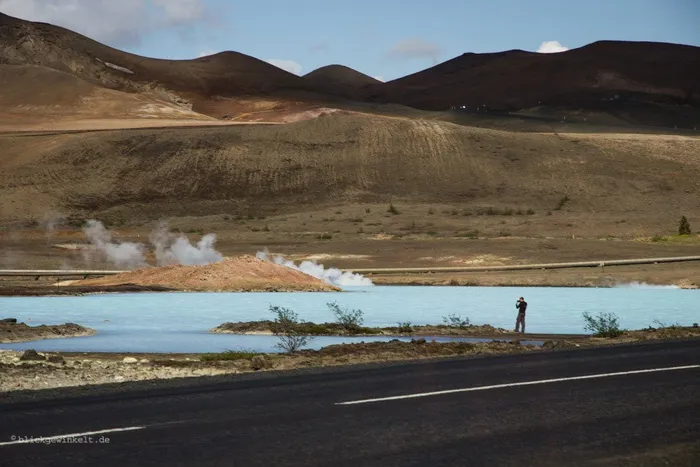
If you want to drive the Ring Road in summer, be sure to plan enough time in the Mývatn / Akureyri region. The Mývatn Nature Baths are just as great as the Blue Lagoon, but not even half as expensive. We were even lucky enough to see the reindeer, which have become rare. The perfect alternative to the Blue Lagoon!
Highlights along the Ring Road!
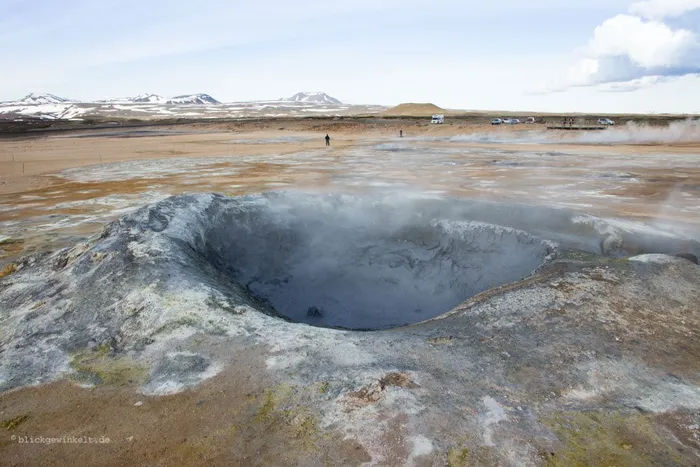
Don’t miss the Hverir sulphur springs here, or the huge Goðafoss and a great whale tour from Húsavík. The chance of seeing whales up close there is very high.
Akureyri, in turn, is a nice town with cosy cafés and shops. The coolest shop is also a great place to stay: the Akureyri Backpackers hostel.
Further west, the detour north along the Eyjafjörður fjord is worth it. The area is stunning, and the little town of Siglufjörður is very pretty. You can stay at the Ósar hostel, which also offers wooden cabins for 3 to 4 people in a dreamy location.
While washing up you can watch the seals on the beach below: my absolute favourite when it comes to accommodation in Iceland. For this, though, you definitely need a 4x4, which I recommend anyway, so that you’re allowed to drive the unpaved side roads, which often hold the most beautiful surprises.
For the whole Ring Road I recommend at least 12 days, better longer, so that you don’t just race through but also have time to drift, get out of the car and let the fresh wind blow around your nose.
I’ve put together more information about Iceland in a little Iceland guide with tips on the route, costs and accommodation (article in German).
And don’t forget: enjoy Iceland and don’t try to do too much. Iceland is great around every corner.
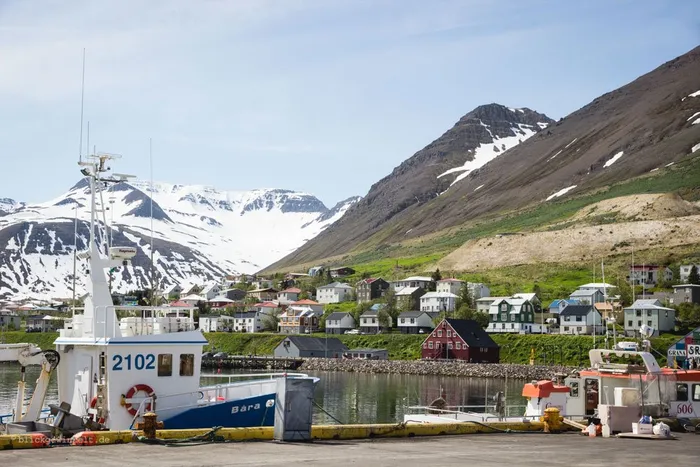
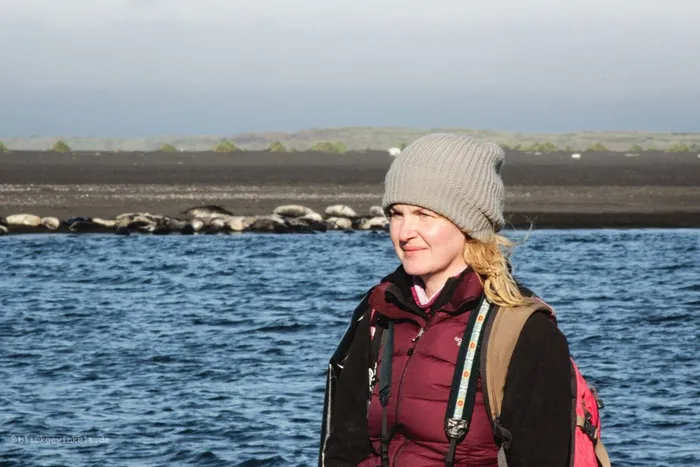
About blickgewinkelt
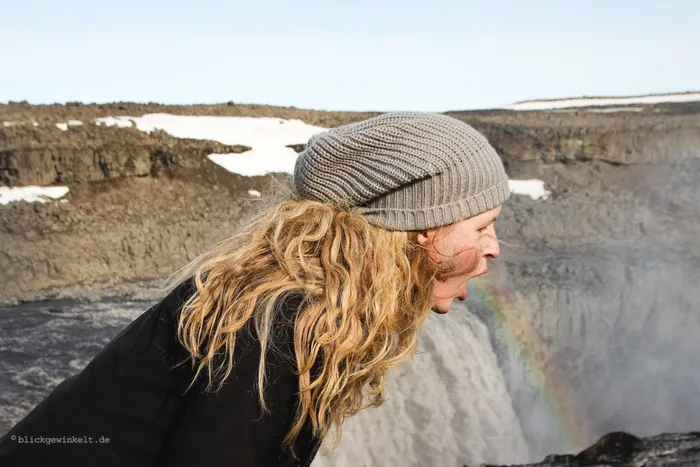
Inka blogs about her travels on blickgewinkelt (in German). Icy countries have long been among her favourites, especially Iceland, Greenland and Antarctica. Last year I spent four weeks travelling through South Africa with Inka.
Iceland is worth it for a short trip too
(Iceland tips from Kathrin, Fräulein Draußen)
Out of the airport building and straight into paradise! In Iceland you’re right in the middle of it straight away. Unlike in many other places, you don’t have to leave big cities behind first or drive to some national park. That’s why Iceland is definitely worth it for a long weekend too (article in German).
Reykjavík as the ideal base for your Iceland trip
And Reykjavík is the ideal base for that: in one day you can discover the famous Golden Circle from here, marvel at geysers and waterfalls and walk in the footsteps of the old Icelanders in Þingvellir National Park.
The next day you head east along the coast, stopping at Skógafoss with a view of the sea and the glaciers of Eyjafjallajökull and friends, all the way to Vík with its famous black volcanic beach and rock pinnacles. On another day you can explore Reykjavík or drive to the Snæfellsnes Peninsula on the west coast, and you’ve already seen so many of the beautiful things Iceland has to offer.
Discover Iceland’s nature on foot
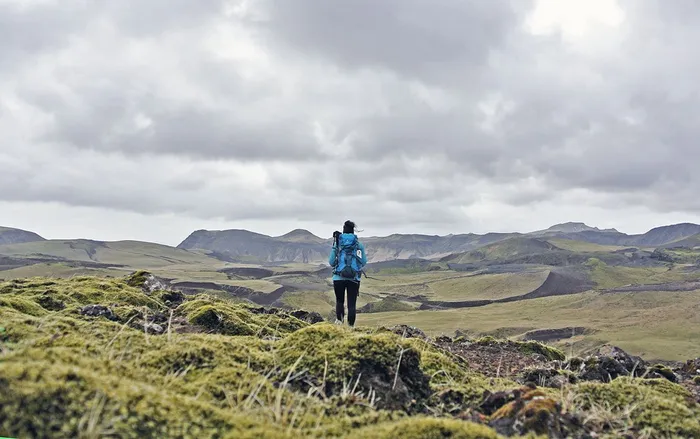
The best way to discover natural paradises like Iceland is on foot. And you don’t have to pack a big backpack and tent and battle through the wilderness for days, as on the 54 km Laugavegur, for example. Back then I simply drove along a small road somewhere past Vík until it ended.
Then I parked the car at the side, packed a few snacks and just started walking. After a short while I was in a completely different world. It was just Iceland and me. I simply climbed some hills, from where I could see for kilometres across mountains, glaciers and volcanic landscape. I waded barefoot through glacial rivers and let the wind blow right through me. Somehow I even found my way back to the car.
There’s no waterfall, no geyser, no Icelandic horse that I remember as fondly as this little hike. So: don’t forget your hiking boots, and off to Iceland! Whether for four days or four weeks, whether in winter or summer, whether alone or with friends or… as long as it’s Iceland.
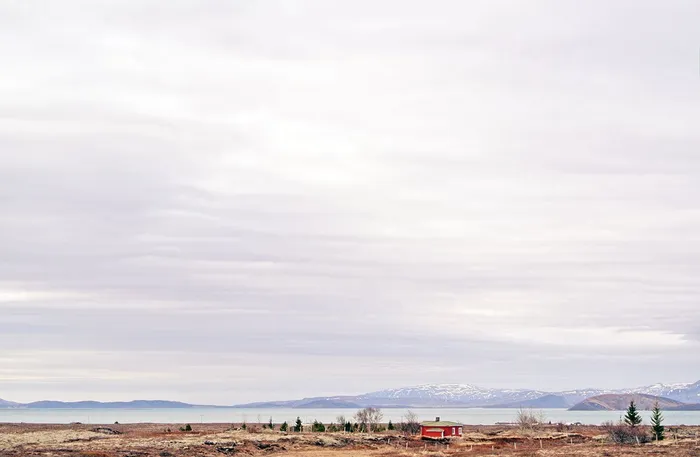
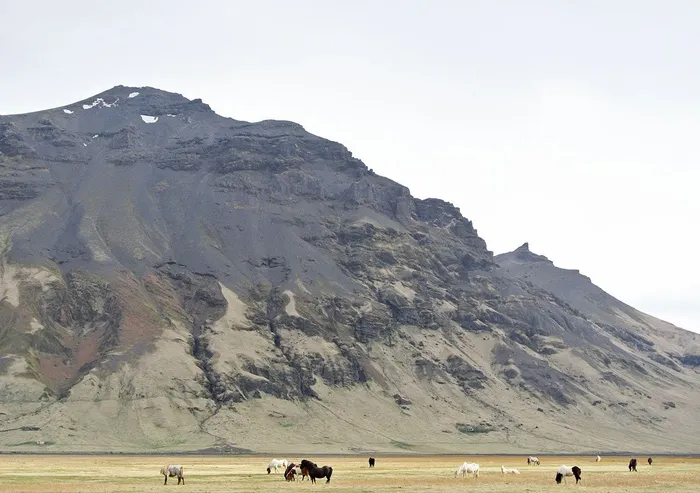
About Fräulein Draußen
Fräulein Draußen (in German) is all about being outdoors in all its facets, whether in the mountains at home or out in the wide world. It’s about small and big adventures, adventures anyone can have. It’s about a love of nature and the urge for freedom.
It’s about independent travel, whether alone or with company. Hiking, trekking, travelling, road trips, ideally all of them together. With lots of enthusiasm and a little courage. Not only for “Fräuleins”!
Diving in a fissure in Þingvellir National Park
(Marc, Island Ringstraße)
What were your highlights in Iceland, and what didn’t you like so much?
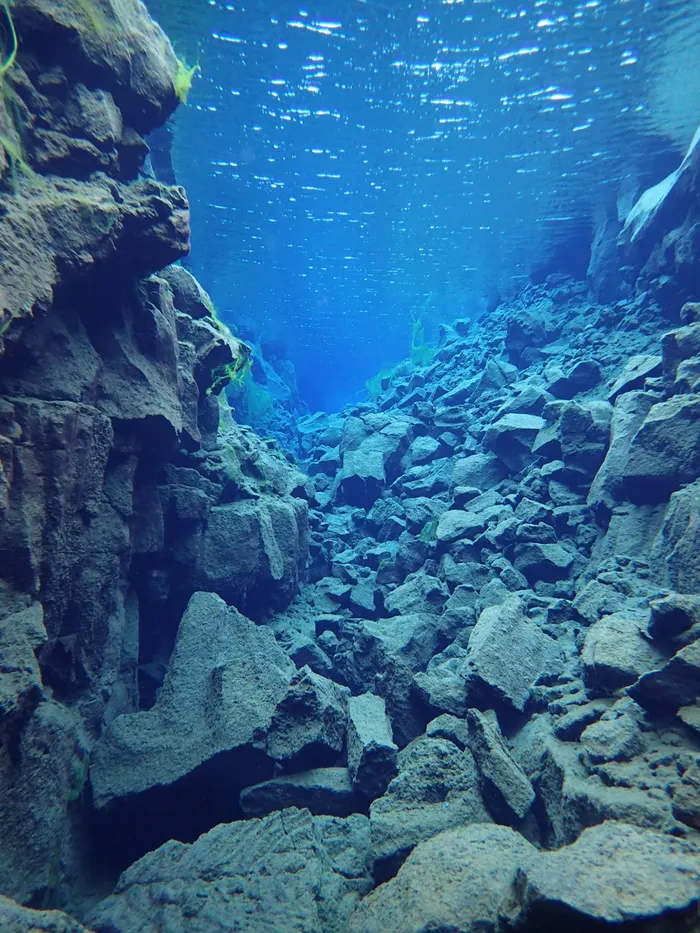
I only found my absolute highlight in Iceland on my third trip there: Silfra (article in German). In a fissure in Þingvellir National Park, between the Eurasian and North American continental plates, you’ll find probably the clearest water in the world for diving.
The water comes from the surrounding glaciers, travels for many decades through the lava field between the continents and then flows into the nearby lake Þingvallavatn. All the way to where it flows into the lake, visibility is well over 100 m, with a pleasant 2 to 4°C all year round, so the fissure never freezes.
On the same visit I went to the Blue Lagoon for the second and definitely last time. I still think it’s worth seeing and recommending: you should have been there once. But once is enough, and for me it has become a symbol of runaway tourism in Iceland. I hope not many sights in Iceland go the same way (article in German).
Which activities should I definitely do in Iceland?
Diving or snorkelling in Silfra. Apart from that, there’s really a lot to discover, so I’d suggest a road trip. Whether it’s two weeks along the Ring Road or a few hours along the south coast or to Snæfellsnes. Hot springs in Iceland (article in German) are a great thing too and highly recommended, just like riding Icelanders (the horses!) and a dog sledding tour.
How much time should I take for an Iceland trip?
You can start with a stopover. Many flights to America go via Iceland, and the airlines often offer stopover packages. A first trip to get to know the country can also be a long weekend, when you can see Reykjavík and the Golden Circle and do a tour.
If you like it, you can explore the country on your own. You can do a relaxed road trip around Iceland in seven days; if you can and want to take more time, plan 14 days.
If you want to stay even longer: there are lots of seasonal jobs in the tourism industry, horse farms often offer internships, and au pair positions are popular too.
Which lovely places to stay, restaurants, cafés or bars can you recommend in Iceland?
I always look for accommodation on Airbnb. That works really well in Iceland too. A little insider tip for restaurants: The Coocoo’s Nest at the harbour.
My favourite café is the Laundromat, but the best coffee is at Reykjavík Roasters. I really like the Bunk Bar, great atmosphere.
What was the most impressive moment of your trip?
A night dive under the northern lights in Silfra (in German): once in a lifetime!
Take a road trip in Iceland, then everything is spectacular!
(Carina from Travel Run Play)
Every corner of Iceland is simply incredibly spectacular in its own way, so you can hardly go wrong when planning your route. Ten days, however, are the absolute minimum you should plan for your visit, especially if you want to go around the island on the Ring Road including a few detours (e.g. into the highlands).
I highly recommend this route, because that way Iceland can show you its variety and uniqueness from every direction.
Carina’s tip: off to the highlands
There are quite a few hot springs in Iceland, luckily! With the rather frosty temperatures, you’re happy to jump into a hot spring even in summer. For a truly authentic soak, drive into the highlands in an off-road vehicle (4WD is a must!) to the Hveravellir hot spring.
The highlands are an unreal place where you want to rub your eyes every few minutes, because the colours and landscapes are simply too intense and too crazy. Half an hour in the pleasantly warm water not only loosens up limbs shaken by the gravel road, it also lets you take in the sight of this wondrous country completely.
South Iceland: my insider tip
If your Ring Road trip takes you to the south, stop by Bölti. The quirky little house near Skaftafell National Park won me over. I stayed one night in one of the lovingly decorated rooms and felt as if I’d landed in a doll’s house. The warm-hearted older owner, flowery wallpaper and creaky floorboards did the rest. A night there is definitely an experience!
My absolute Iceland highlight
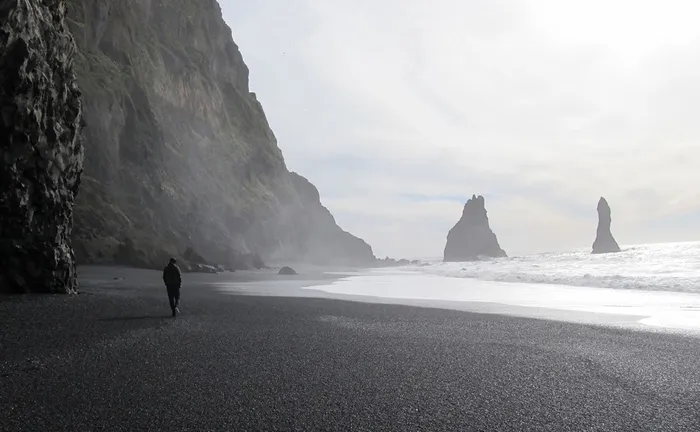
My most memorable moment in Iceland, which I wish so much for your trip: padding across the deep black, glittering lava sand to the rugged coastline of Vík í Mýrdal, and the basalt columns that suddenly towered above me in their thousands like organ pipes.
I’ll never forget that sight and that feeling: the roaring waves breaking on the beach behind me, and in front of, above and around me a sea of columns in every size and shape. An incredible work of nature.
And if you’re there in June or July, you’ll definitely see lots of puffins, which will be the icing on the cake!
Iceland is one of the most impressive countries I’ve ever visited
(Mandy Jochmann)
Iceland is by far one of the most impressive countries I’ve visited so far. From the mystical Jökulsárlón glacier lagoon to the midnight sun that never sets and the quirky, likeable people. On my two trips there, Iceland completely cast its spell on me, and it still hasn’t let go!
How long should you travel to Iceland?
Whether for a two-week road trip or a short trip, Iceland always works, in every season! The only exception: between June and August, not only do prices for accommodation and tours shoot up, the crowds of tourists grow too.
So I’d rather avoid that period, or switch to the northern or western regions, since most tourists visit the south.
But the island is a dream in the off-season too, often a wonderfully lonely one. And no matter how often you come back (and you will come back once you’ve been there!), Iceland looks different every time.
Tips for sights in Iceland
If you travel to Iceland, you can hardly avoid the big highlights like the Golden Circle, Reykjavík, Lake Mývatn or chasing the northern lights in winter. What I liked most was how varied the island can be. One moment there’s a storm, the next the sun is shining.
Drive 30 kilometres on from the icy glacier lagoon and you’re already among lush green hills with grazing sheep. There was hardly a place that didn’t thrill me. My favourite was the north with Akureyri, the second-largest town.
My little insider tip for Iceland
You might want to plan a night in Siglufjörður in particular. This small, impressive town lies in the middle of the mountains between two tunnels heading north.
It’s supposed to be developed into a ski resort, so few people know it so far. From there you can also start your whale watching tour from the fishing village of Dalvík instead (yes, it smells like it too ;)).
So far I’ve skipped the Westfjords, and I’ve heard from many travellers that you should allow more time rather than less, especially because some of the roads there aren’t paved.
If you’re on the Ring Road, a normal car is actually enough; if you want to go off-road, it’s worth investing in an SUV (off-road vehicle). Better not to save money there! You can save money, for example, by sleeping right in the car.
Food in Iceland
If you’re looking for inspiration on food, especially vegan and vegetarian, you’ll find cool spots not only in Reykjavík (Mandy’s tips). We had one of our tastiest meals at Gló, the healthiest restaurant in the country.
Iceland is a dream for every road trip fan! Just let yourself drift, because all you have to do is follow the Ring Road. Make the odd detour into the surrounding area and enjoy nature to the full!
A true winter wonder hides beneath the thick ice of the Vatnajökull glacier
(Iceland tips from Anke & Thorsten, Moose around the world)
For a first trip to Iceland we recommend a tour along the Ring Road. You should allow around 10 to 14 days for it.
The great thing: the most famous sights and lots of other treasures are right on the Ring Road, and they don’t charge admission either.
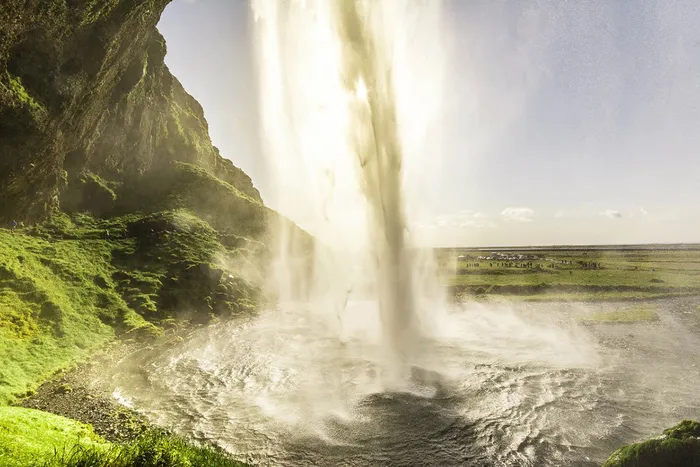
Our favourite stretch of the Ring Road is the south with the stunning Seljalandsfoss and Skógafoss waterfalls.
The Jökulsárlón glacier lagoon (and the beach next to it!) is a must-see too! But there are also a few treasures that aren’t right on “Route 1” and are worth the trip!
The Golden Circle in Iceland
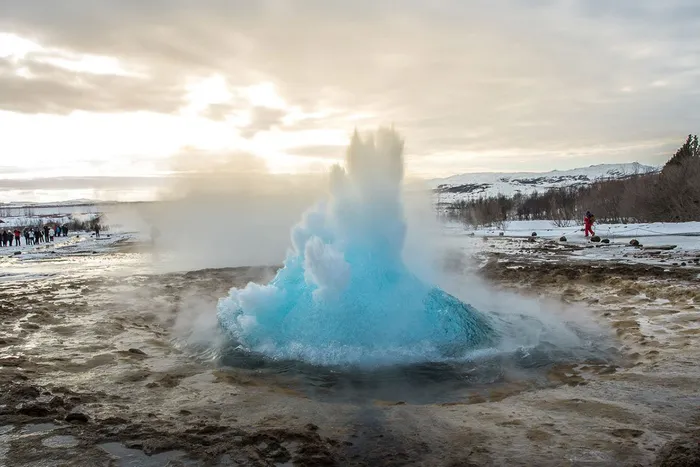
You get Iceland in a nutshell in one day on a tour of the Golden Circle (article in German). Þingvellir with its adventurous rock fissures, the Strokkur geyser, which shoots up every 6 minutes, and Gullfoss waterfall, which shimmers gold in the sunshine, are three highlights that fill a whole day.
At Þingvellir it’s worth walking from the visitor centre down into the fissures and stopping at Silfra (where snorkelling tours through the rocks start).
The Snæfellsnes Peninsula
The famous Snæfellsnes Peninsula (more on that, in German) in the west of Iceland is worth a day trip off the Ring Road.
Besides the road trip along Route 54, a hike from Arnarstapi to Hellnar with a view of the famous rock arch in the sea is simply a must. Then it’s on to the beach at Djúpalónssandur, and after that to Kirkjufell, one of Iceland’s most famous mountains.
Our Iceland tip: at Kirkjufell, take a turn-off to the right to a small car park. That’s where you’ll find the beautiful Kirkjufellsfoss waterfall, with a panoramic view of the mountain of the same name.
Whale watching in Húsavík
Húsavík is considered the centre of whale watching tours in Iceland (report in German). The operators line up like pearls along the lively harbour.
On our tour we also made a detour to a puffin island, home to thousands of the cute puffins. (Duration: around 4 hours, cost: around €100 per person, operator: e.g. North Sailing).
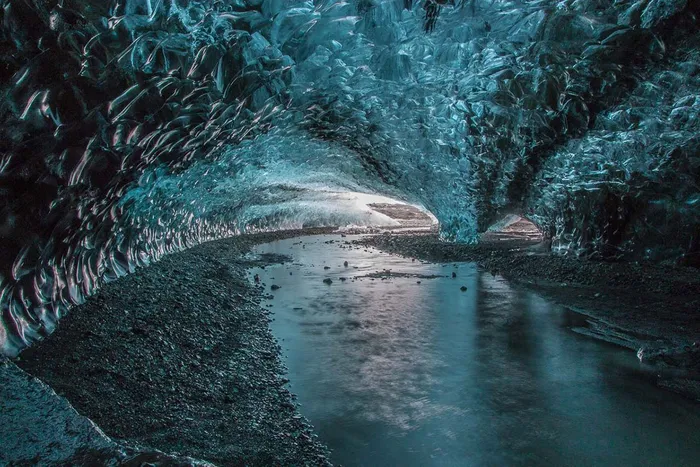
Once in a lifetime: visit an ice cave in Iceland
Okay, your first trip to Iceland is in summer. But we’re sure you’ll come back. Maybe in winter, and then you absolutely have to visit an ice cave. They’re there in summer too, but in great danger of collapsing.
In winter, a true winter wonder opens up beneath the hundreds of metres of ice of the Vatnajökull glacier. (Cost: around €200 per person).
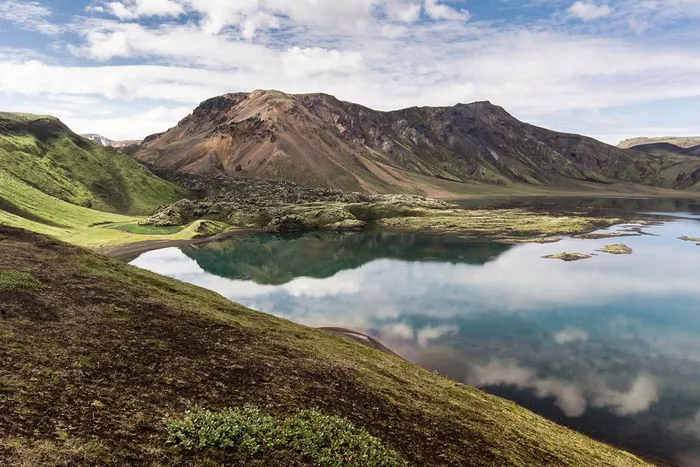
Landmannalaugar: Iceland’s most beautiful highlands
If you think Iceland can’t get any more beautiful, take a tour into the highlands, e.g. to Landmannalaugar (report in German). Many tour operators offer day trips from Reykjavík. If you drive yourself, you can only do it with a 4x4.
On the way you drive on the so-called F-roads: deep potholes and river crossings await you, which only work with the right car.
We went with Arctic Adventures in a super jeep. At around €250 per person it was not cheap, but unique. We drove part of the way up the Hekla volcano in the jeep and visited lonely mountain lakes and the beautiful Gjáin valley (a Game of Thrones filming location).
Good food in Iceland
Traditional and delicious Icelandic cuisine awaits you at Café Loki, right opposite the famous Hallgrímskirkja in Reykjavík. (By the way, it’s worth going up the church tower here: Reykjavík from above is colourful and pretty.)
At Restaurant 73 we had the best burgers in town, and the famous hot dog stand at Reykjavík’s harbour is worth a visit too.
Around Lake Mývatn in the north there are lots of touristy places, but the only one we can really recommend is the Vogafjós cowshed café. You eat right next to the cowshed, a great atmosphere.
You’ll find an overview of our complete tour along the Ring Road, including a map with all the highlights marked, here, and here a detailed Iceland guide with important info on getting there, rental cars and much more (both in German).
About Moose around the world
On Moose around the world (in German), Anke & Thorsten write about independent road trips, city breaks, short trips and hiking trips in Germany and around the world.
Useful links: my recommendations, this is where I book
If you book your trips or gear through my links, I earn a small commission. This helps me fund this travel blog (tech & hosting). Thank you for your support and for being part of my community. Thank you so much for your support!